
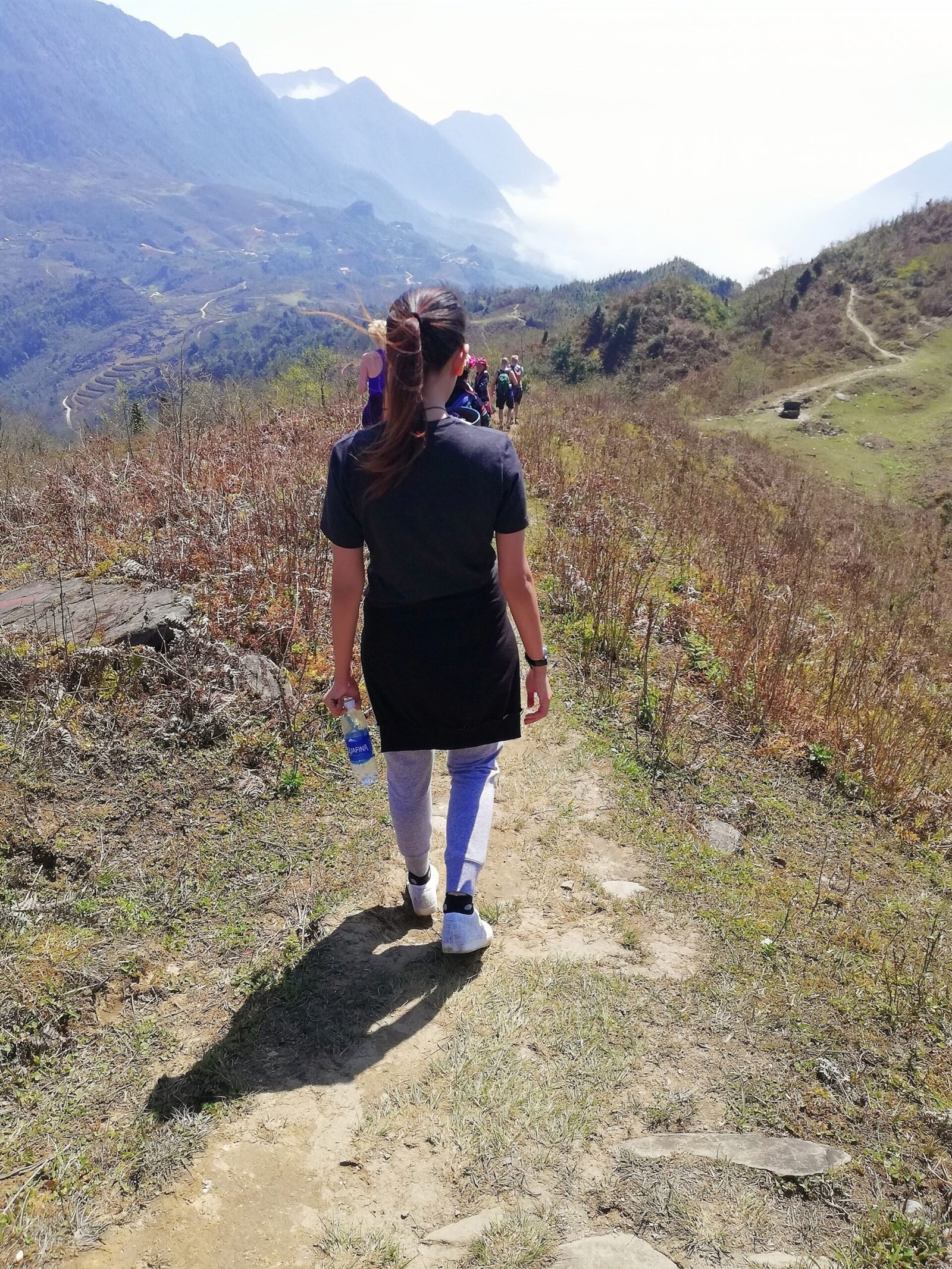
When I visited Vietnam back in 2018, one of the tours I impulsively signed up for was a 2D1N Sapa Tour. My hostel booked it for me and I—being the overly trusting traveler I was—said yes without asking a single question. Little did I know… it was a full-on trekking tour, with a total of 14 hours to go up to the homestay in the mountains and back down to Sapa town—so, 2 full days of trekking!
Thinking back now, it’s honestly hilarious. I didn’t plan my schedule properly, and I trusted my hostel a full 100% to sort everything out. The chaos peaked when I returned from a Ha Long Bay day tour, only to be told I had one hour—yes, ONE hour—to pack my stuff because my bus to Sapa was leaving at 10:30 PM.
Imagine me running around like a confused chicken, trying to get my life together. I was already exhausted from the day tour, and having to jump on an overnight bus meant zero chance of getting the rest I desperately needed.
I briefly mentioned this tour in my Hanoi blog post before, but I never shared the full story and details. So today, I’m spilling everything—just in case you’re planning a trip to Sapa, Vietnam, and need a little reference for your itinerary.
✅ What is Sapa?
Sapa is a highland town in the northwest of Vietnam. It sits about 1,600 meters above sea level, so you’ll feel the cool mountain air as soon as you step off the bus. It’s around 38 km from Lào Cai and about 376 km from Hanoi, making it a calm escape from the busy city life.
But Sapa isn’t just another scenic spot… It’s a mix of nature and culture—tall mountains, green forests, misty valleys, and views that look like they came straight from a painting. On top of that, the local culture with unique traditions, ethnic minority villages, handmade crafts, and their warm hospitality adds a meaningful and authentic vibe to the whole experience.
As for the name: “Sapa” is believed to come from Mandarin, meaning “sand beach.” This goes back to the early days when the area was basically a sandy open field where locals held their markets. Over time, “Sapa” stuck, and despite the transformation from a humble trading ground to a lush mountain town, the name carries a kind of nostalgia.
✅ When To Visit Sapa?
Sapa is one of the few places in Vietnam where you can actually experience 4 distinct seasons, thanks to its high altitude and cool climate.
- Best time: September and October, when the rice terraces look their most beautiful.
- Ideal weather: April and May, with clear skies perfect for trekking and sightseeing.
- Hot weather: June to August is also a good time to visit if you don’t mind warmer temperatures.
- Chilly weather: November to March brings cooler temperatures, with misty mornings and cold nights. On rare days, you might even see snow.
No matter when you go, Sapa’s unique weather and natural beauty make it a refreshing escape from the heat and humidity of the lowlands.
✅ How To Get to Sapa?
The most common way to reach Sapa is by taking an overnight train from Hanoi to Lào Cai, the neighboring province’s capital. From there, transfer vans will take you the rest of the way up into the mountains.
You can also take regular buses or shuttle vans directly from Hanoi. The ride usually takes about 5–6 hours and drops you right in the town center. If you booked a tour from Hanoi, your transportation is most likely a sleeper bus, which is usually included in the package.
Once you arrive, be prepared for steep roads and pathways—Sapa used to be a hill station, after all. Most visitors get around on foot or by taxi, while adventure-seekers sometimes rent mountain bikes to explore the scenic trails along the valleys.

✅ What To Do in Sapa?
Whether you’re into relaxing town vibes or wild mountain adventures, Sapa has something for everyone. Here are some great ways to spend your time there:
🌄 Wander Around the Town
Sapa isn’t just a mountain base—the town itself is adorable and full of personality. It’s the perfect escape from city heat and crowds, letting you slow down and enjoy the scenery at your own pace. You can stroll through the local streets, check out small cafés, and soak up the relaxed highland-town vibe. Even just wandering around, you’re surrounded by beautiful mountain views, cool fresh air, and plenty of cute photo spots. It’s ideal for a light, easy day while still taking in the beauty and calm of Sapa.
🥾 Go Trekking… See the Real Sapa
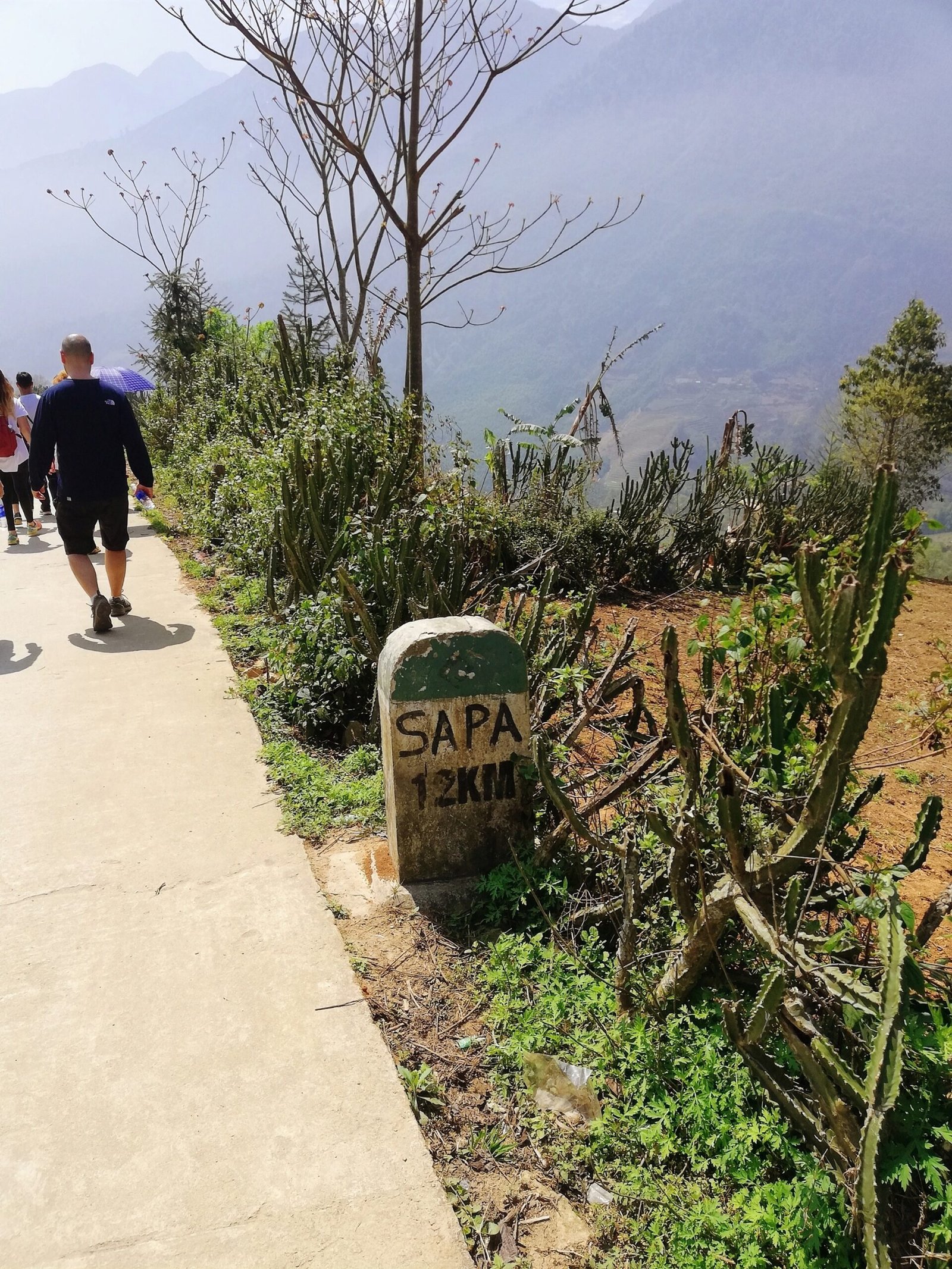
This is where the magic truly happens. If you really want to experience Sapa, trekking is the best way to do it. Most trekking tours include:
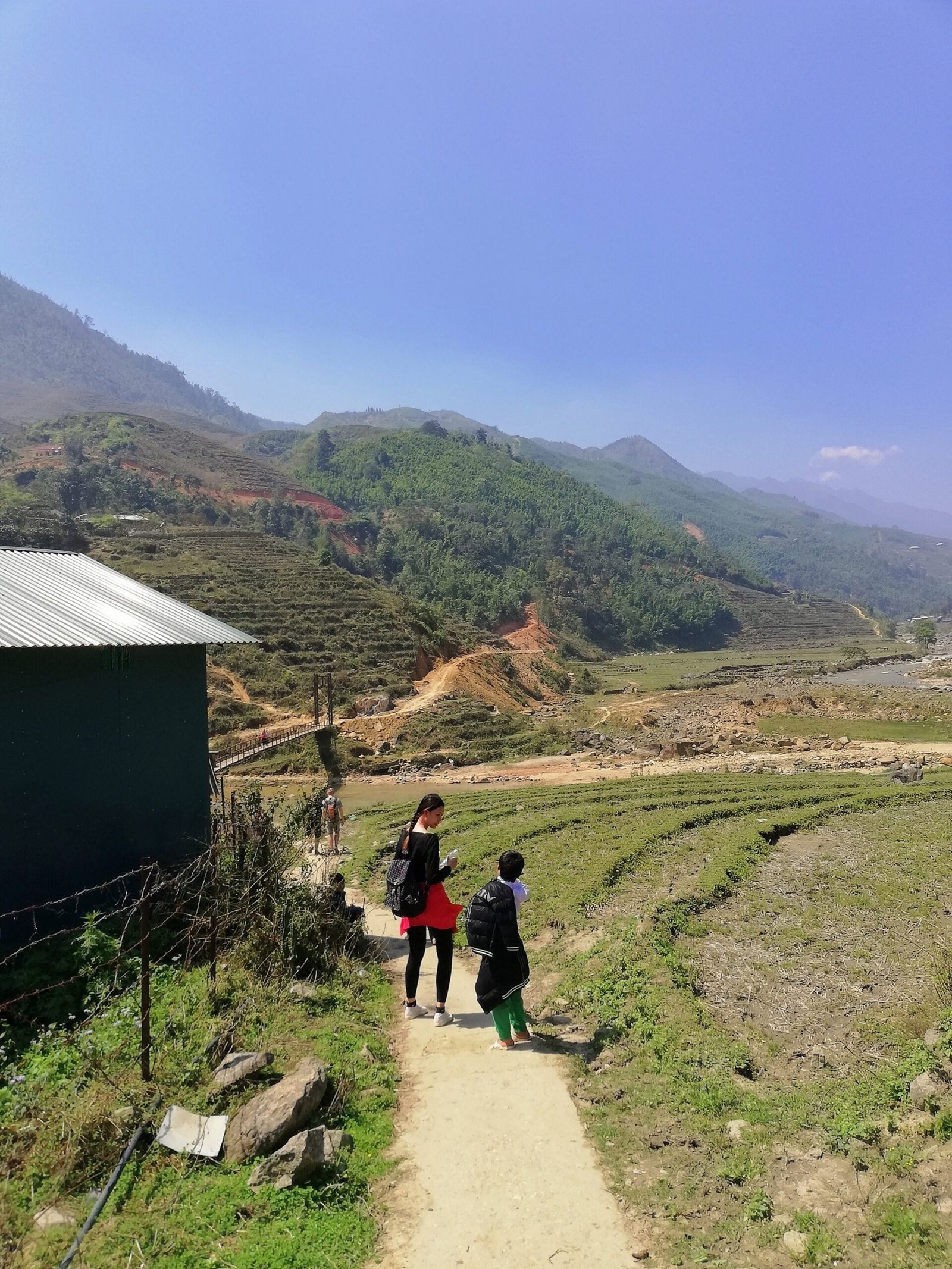
- Rice Terraces Walks: Endless layers of green (or golden, depending on the season) rice terraces that look like nature’s staircase.
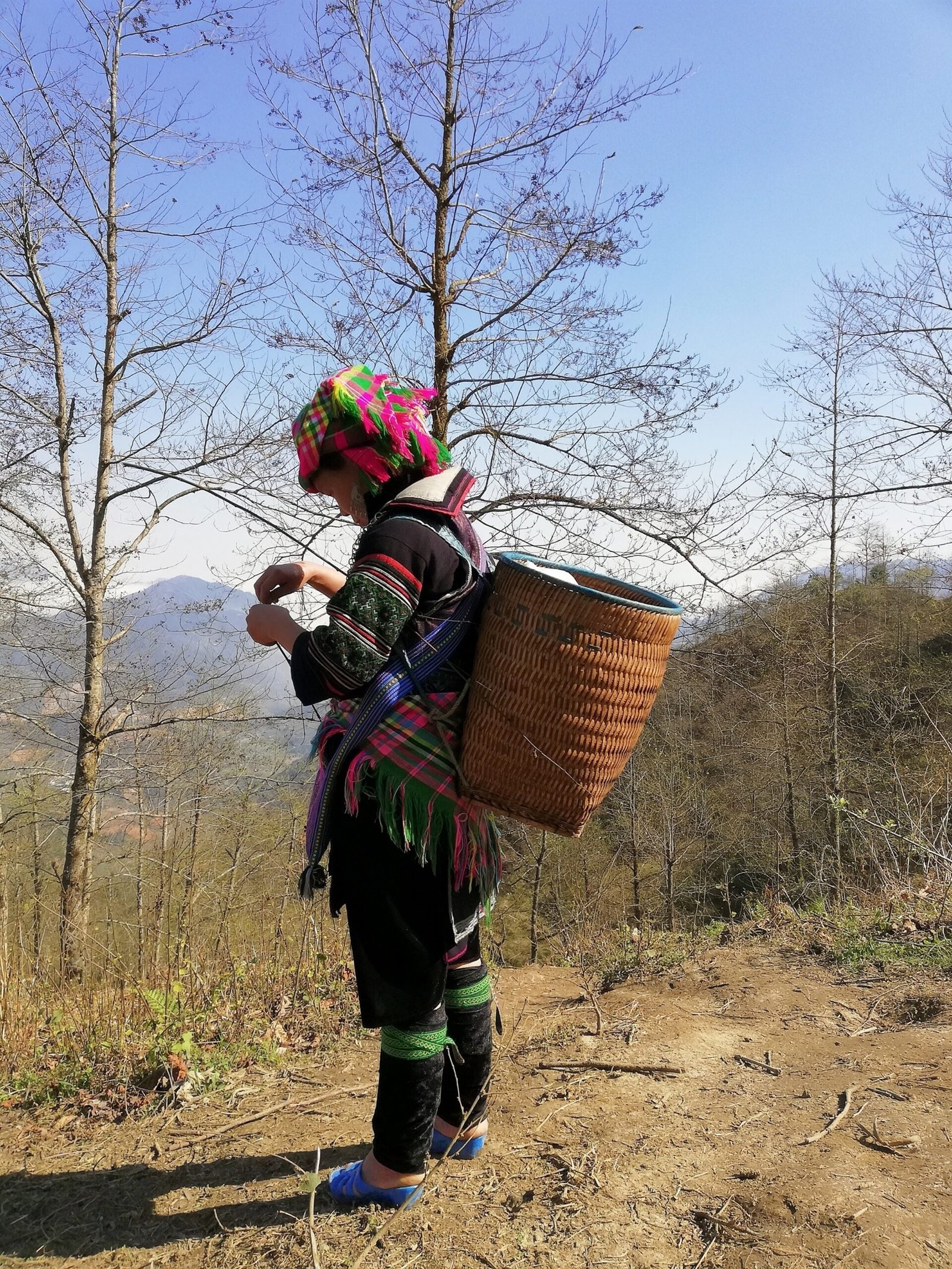
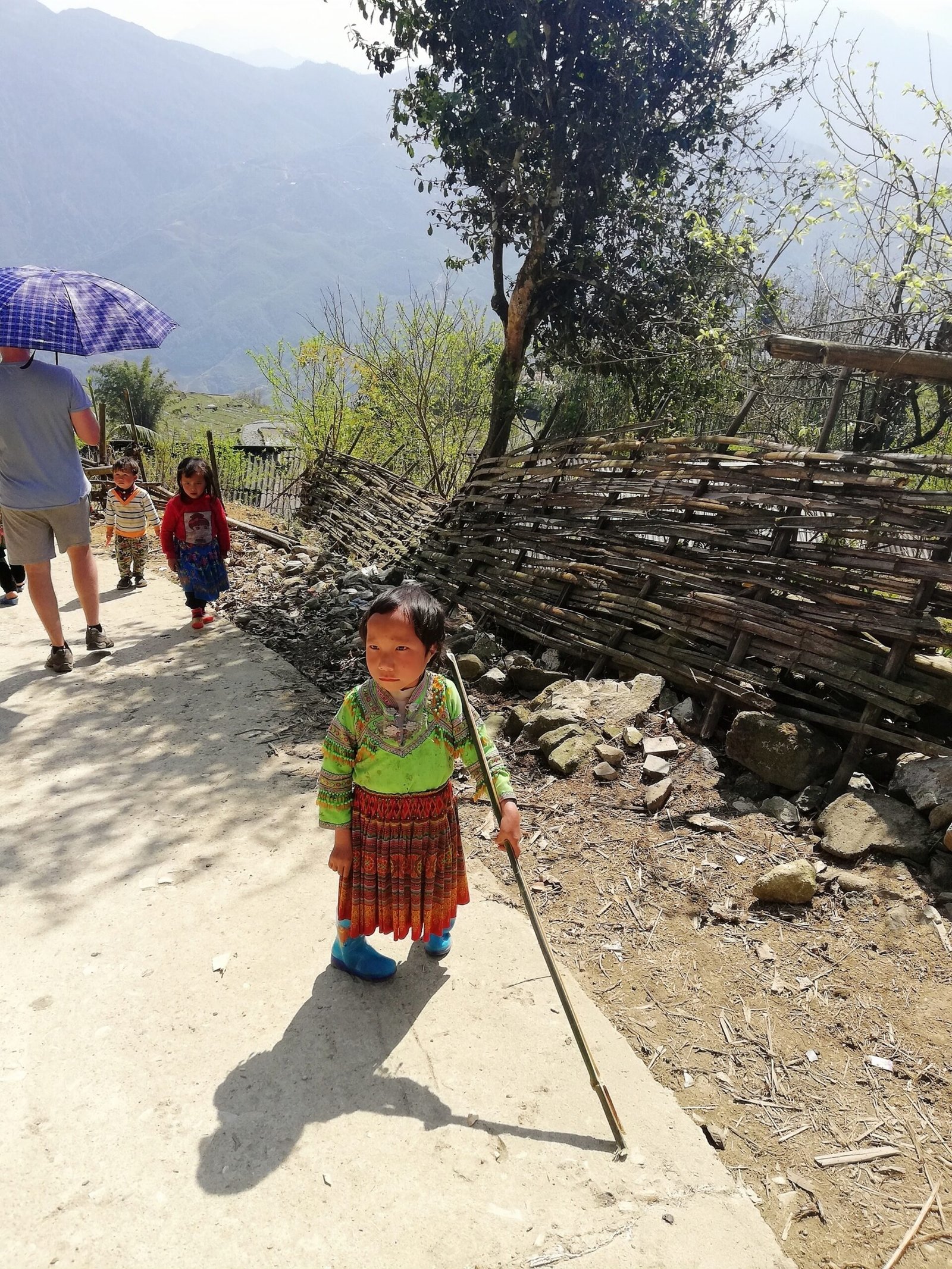
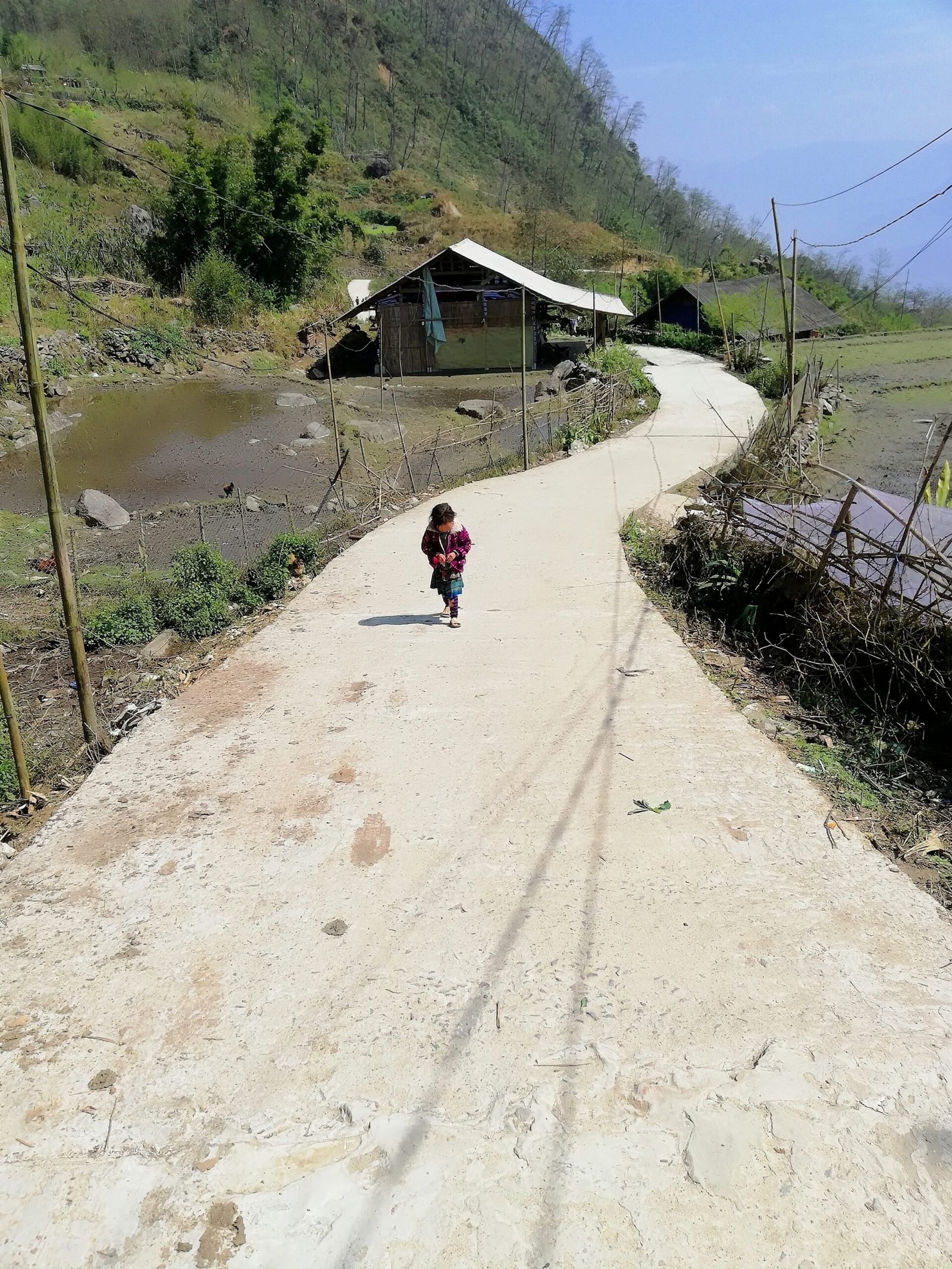
- Local Villages: Visits to ethnic minority communities like the H’Mong, Dao, or Tay. You’ll learn about their daily life, handicrafts, and traditions—a genuine look into local culture. You can read more about the ethnic groups [here]
- Nature Trails: Valleys, rivers, forest paths, and viewpoints—every turn gives you a fresh landscape to admire.
- Local Meals: Some tours include home-cooked meals or tea in a local home, which adds such a warm, cozy touch to the experience.
It’s peaceful, meaningful, and honestly one of the best ways to connect with Sapa’s nature and culture.
🏔️ Conquer Fansipan—“The Roof of Indochina”
If you’re feeling adventurous, you can take on Fansipan, the highest peak in Vietnam. There are 2 ways to experience it:
- Hiking the mountain: perfect if you’re looking for a real challenge.
- Taking the cable car: great if you want the views without the tough climb. The 6-kilometre cable car ride takes you 3,143 meters up to the summit in just about 15 minutes.
Either way, the scenery is insane—clouds below you, mountain ridges stretching into the distance, and a stunning spiritual complex at the summit.

✅ My Trekking Experience
Tour Name: Sapa Tour
Tour Guide: Mao Sapa Trekking and Homestay.
Price: $50 USD (2D 1N)
Included: Homestay, meals, and transportation.
The sleeper bus from Hanoi to Sapa took about 6 hours overnight. It was super uncomfortable and overbooked—some people even had to lie down on the bus floor! Luckily, I arrived early and managed to get one of the last two beds.
When we got to Sapa, the local guide took us to a restaurant for breakfast and gathered the group around 9 AM. My group had about 10 people from different nationalities, which made the whole experience even more fun.
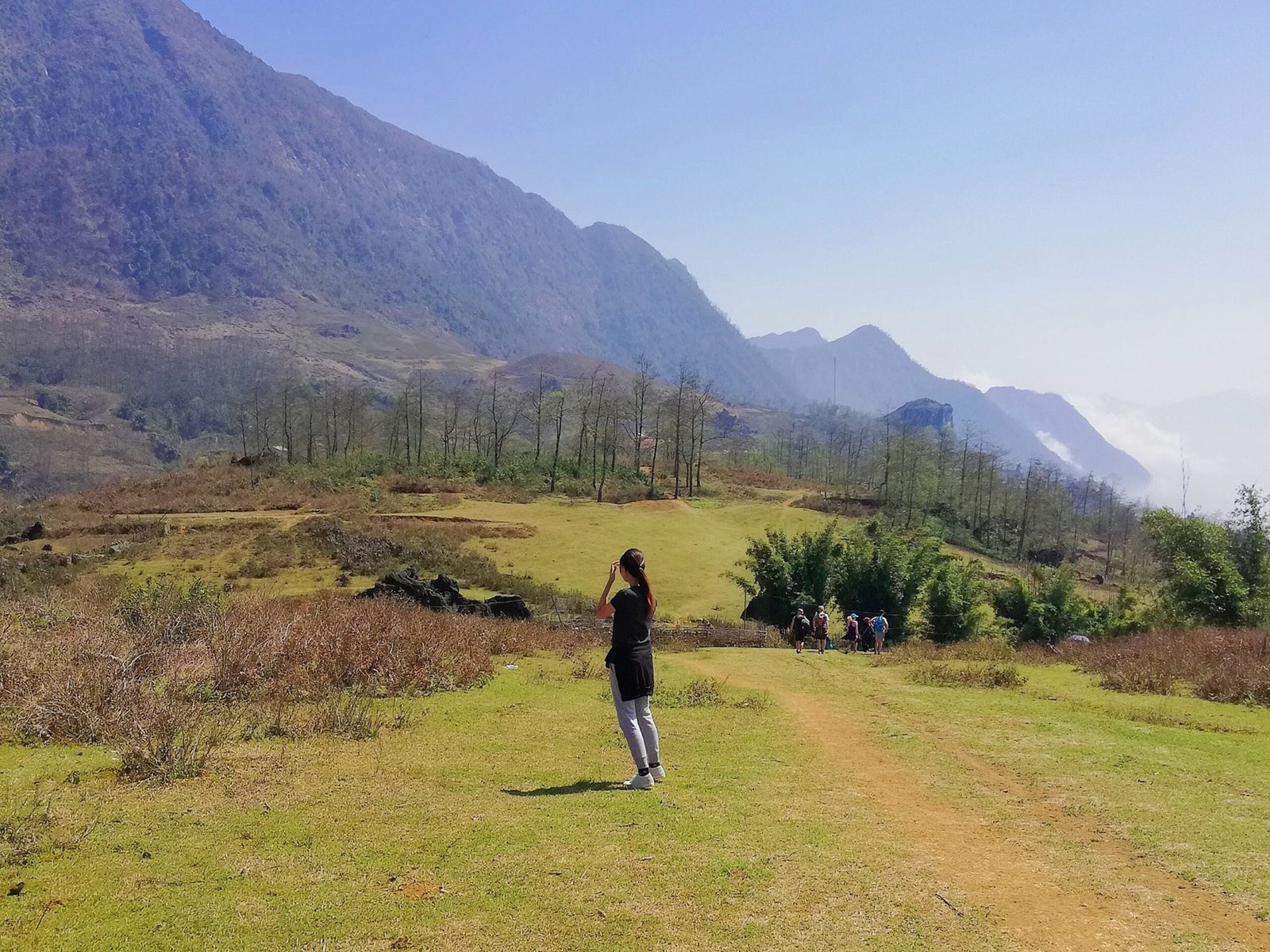
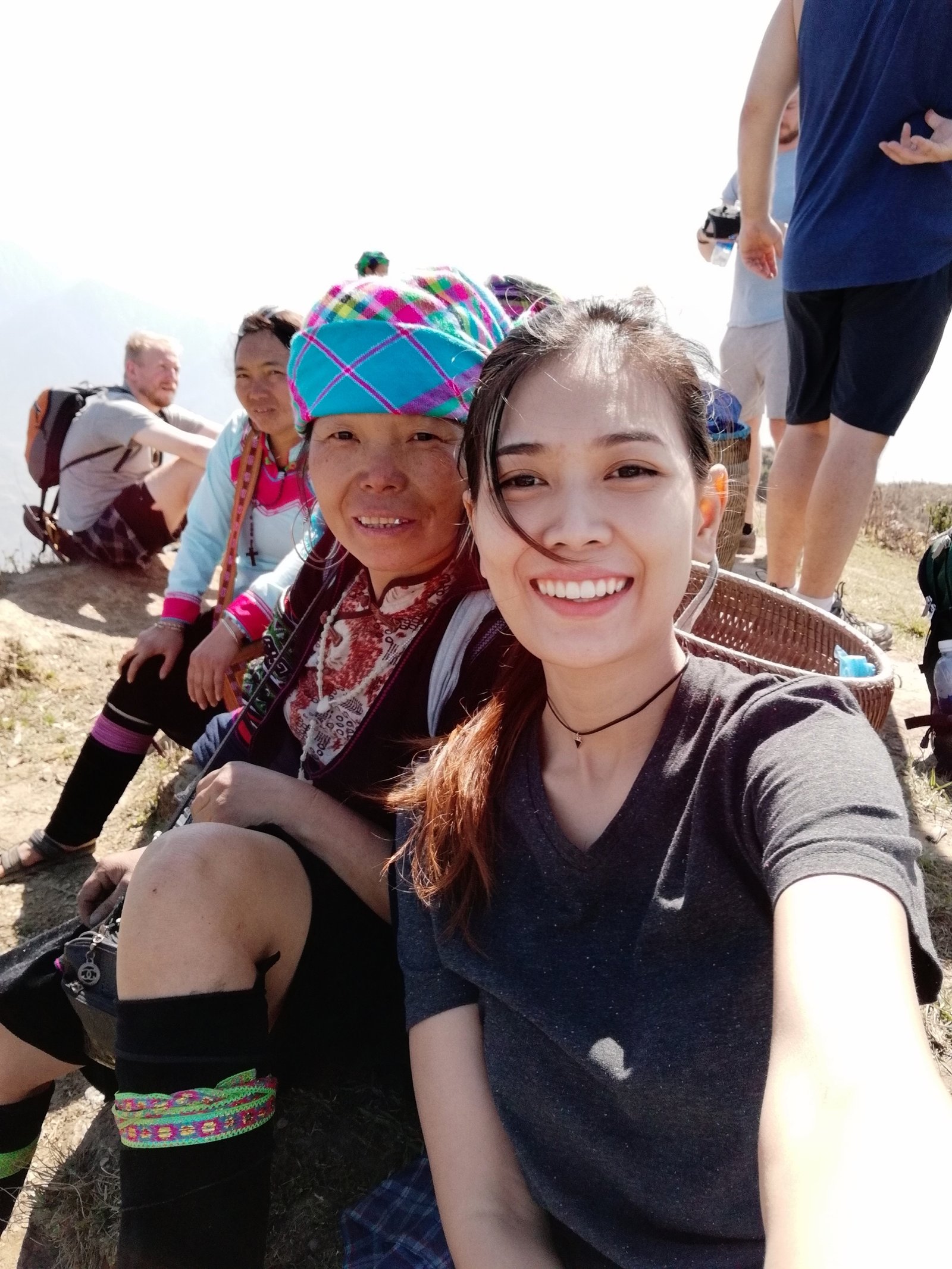
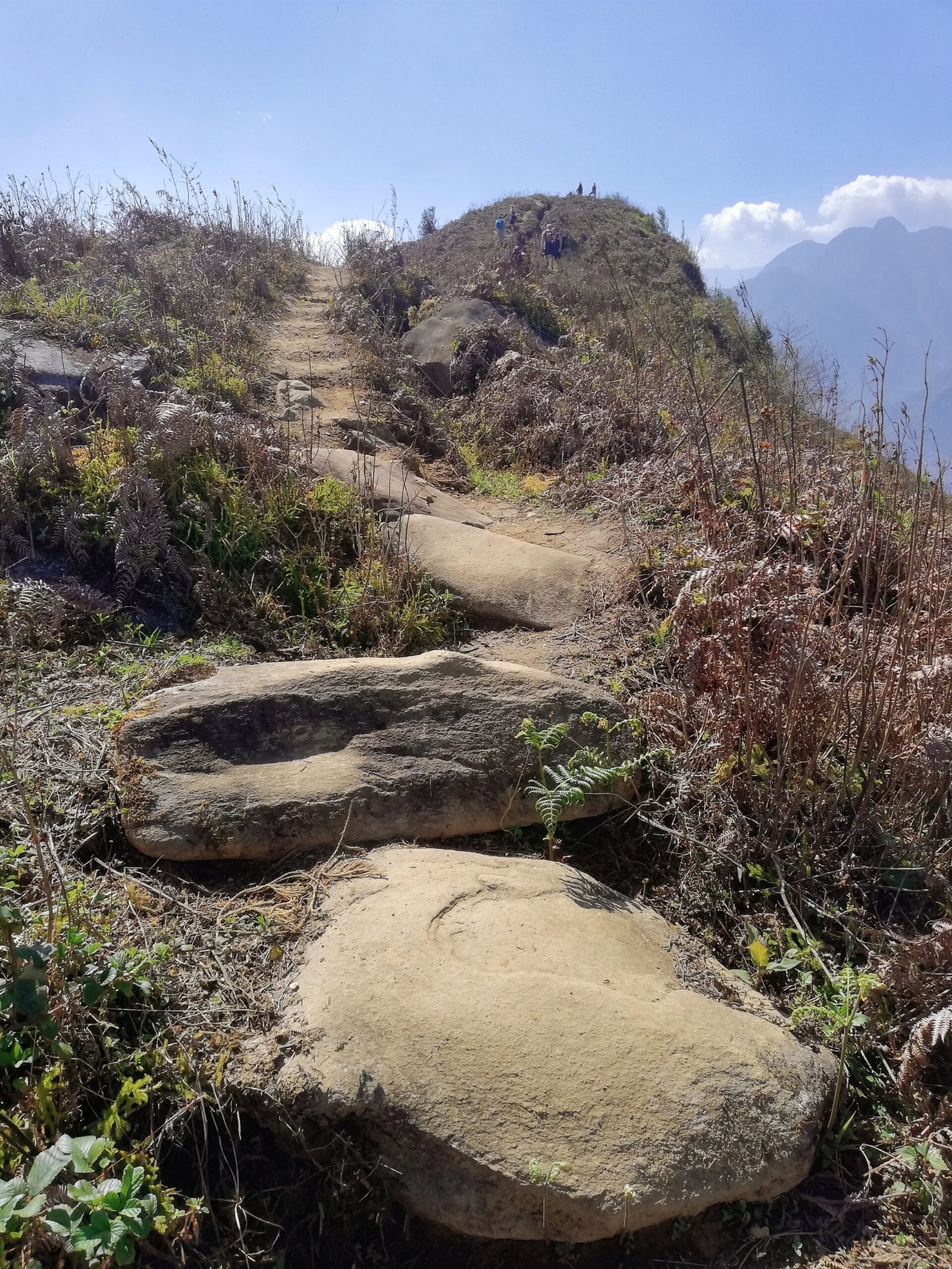
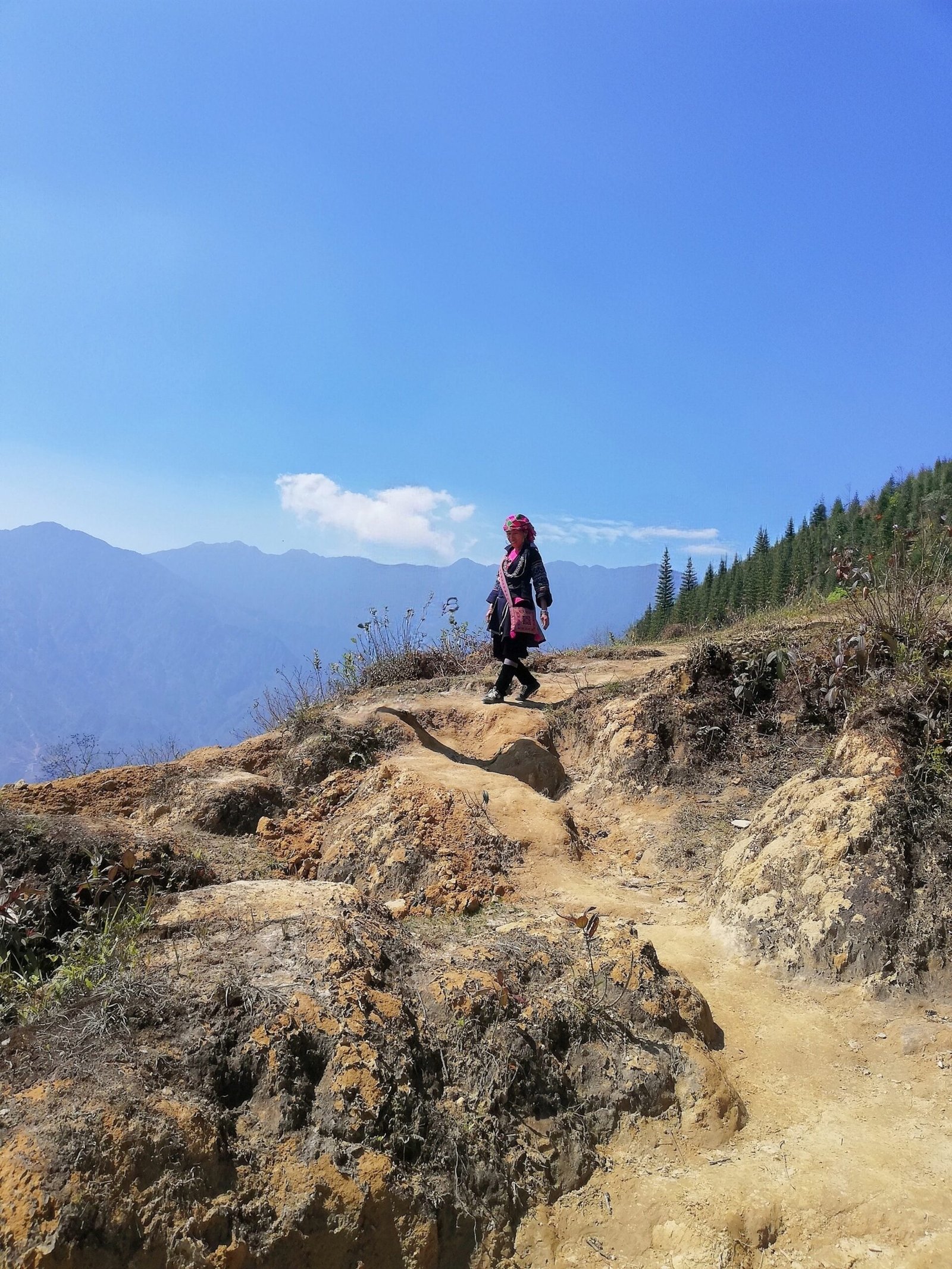
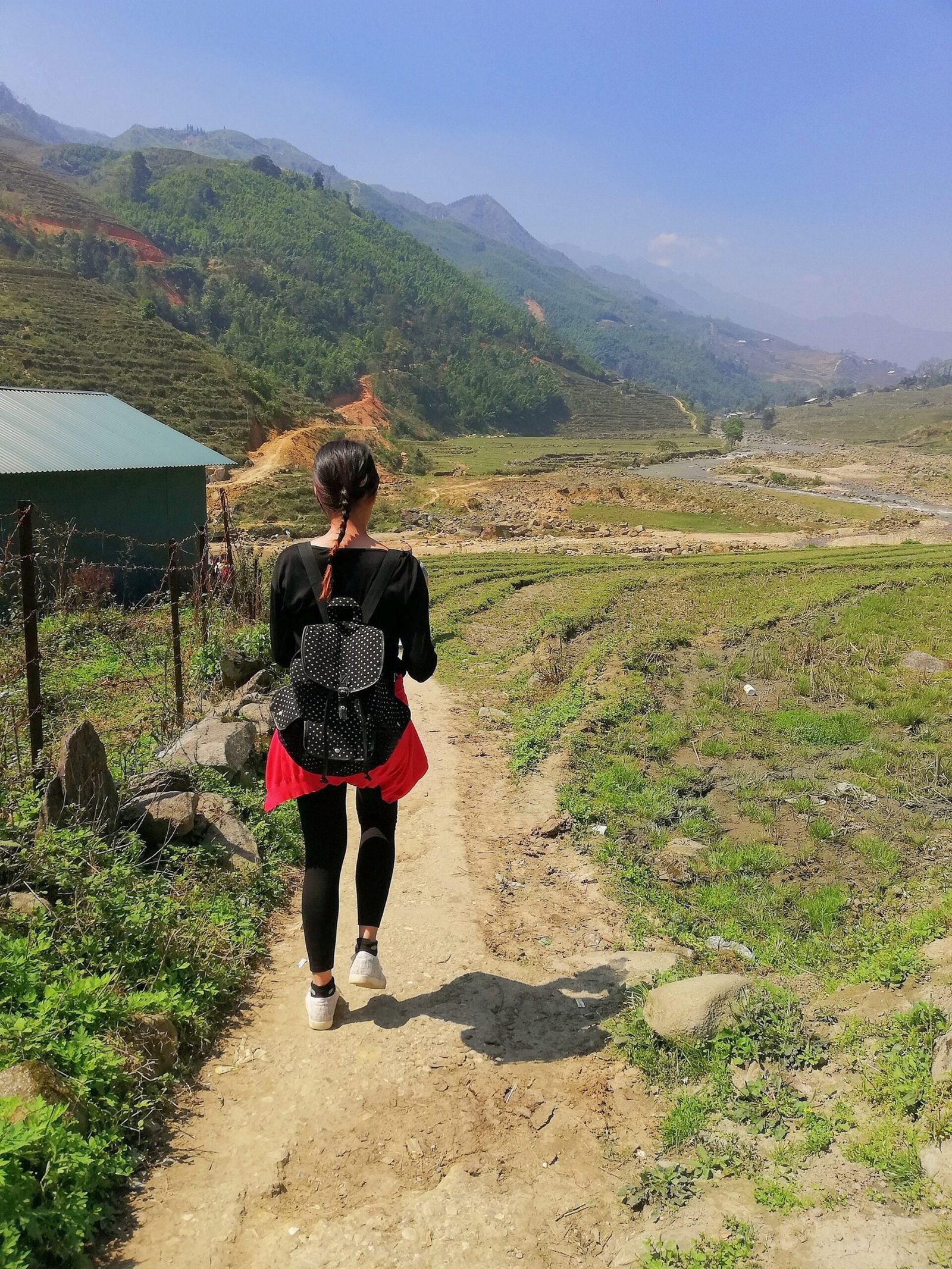
The trekking itself was no joke. We started at 9 AM and reached the homestay around 4 PM—7 hours of trekking and hiking under a blazing sun. I got seriously sunburned! I wasn’t fit at the time and definitely wasn’t well-rested. From what I know, they offer flexible trekking options, but I ended up on a full-day trek, which was longer and more challenging. Even the experienced hikers in my group said it was tough. At times, I honestly felt like I was dying.
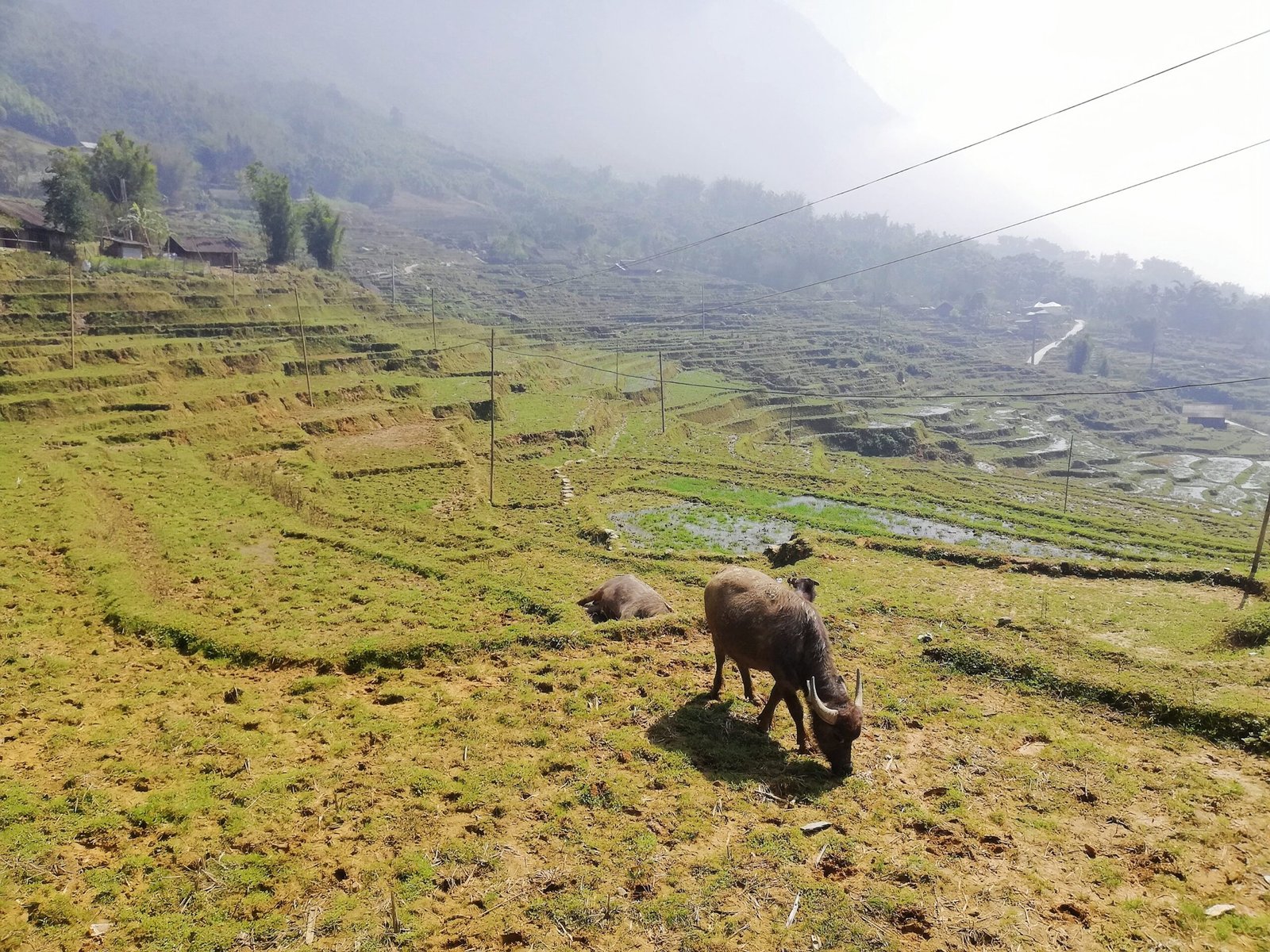
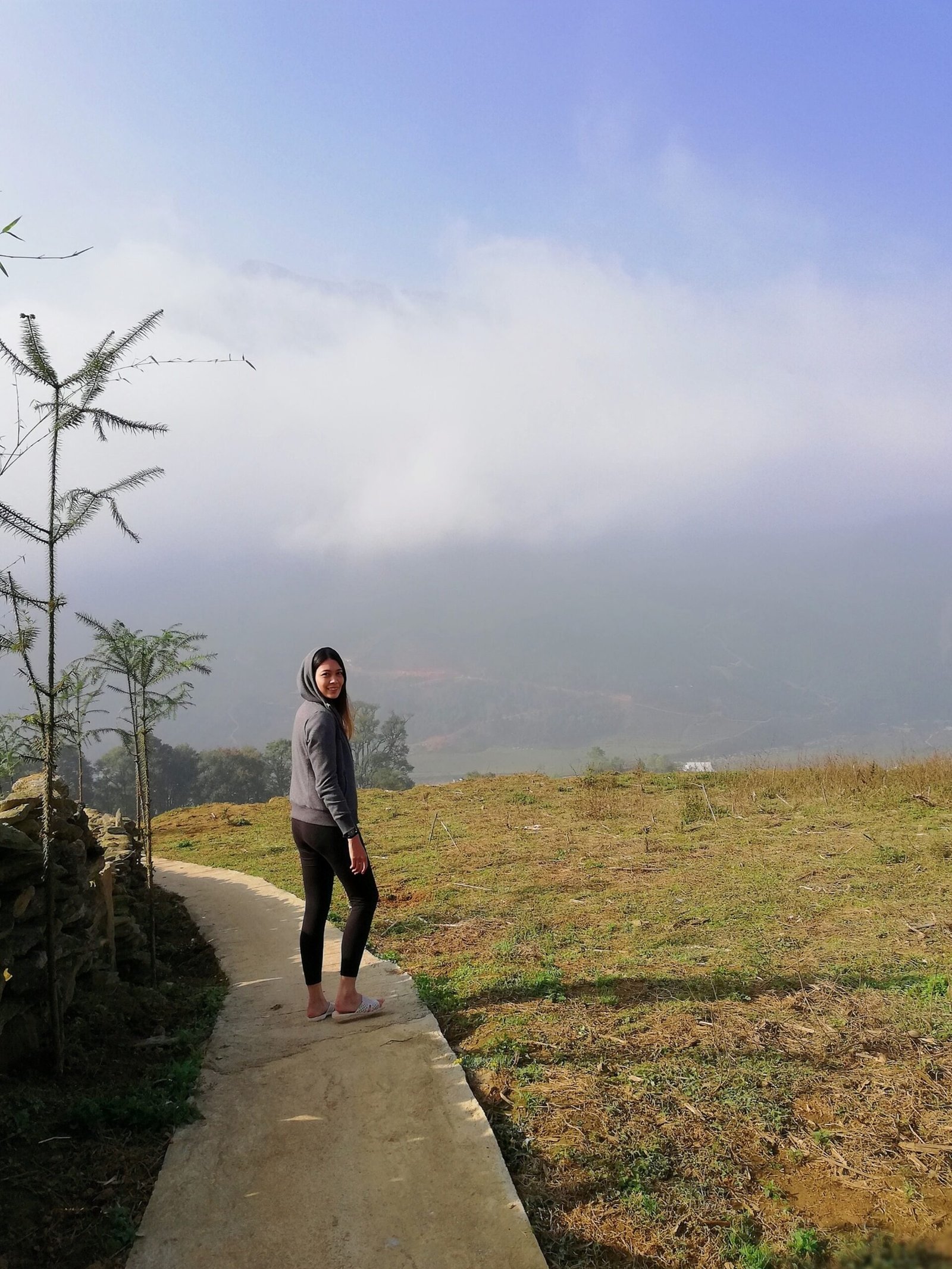
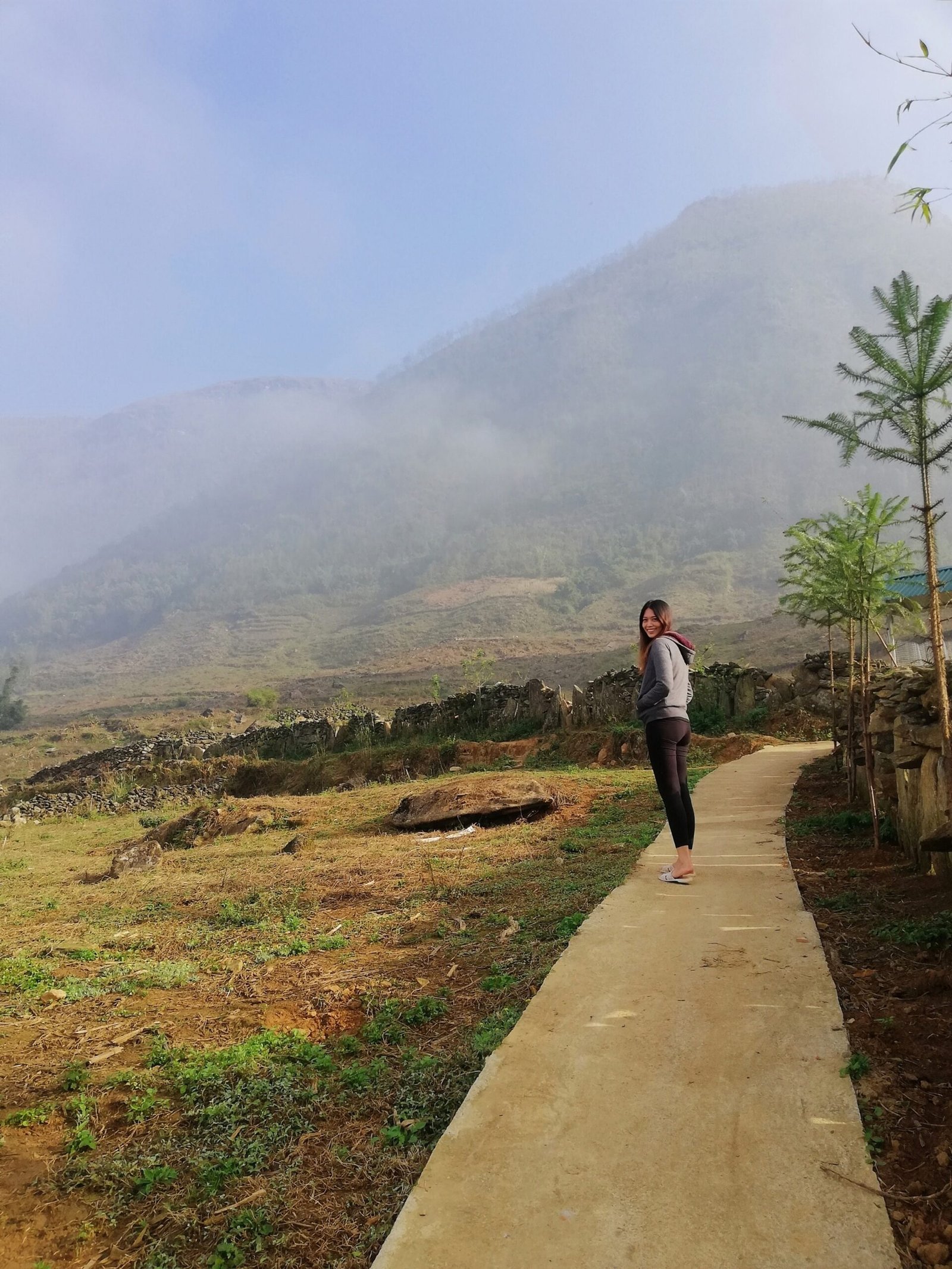
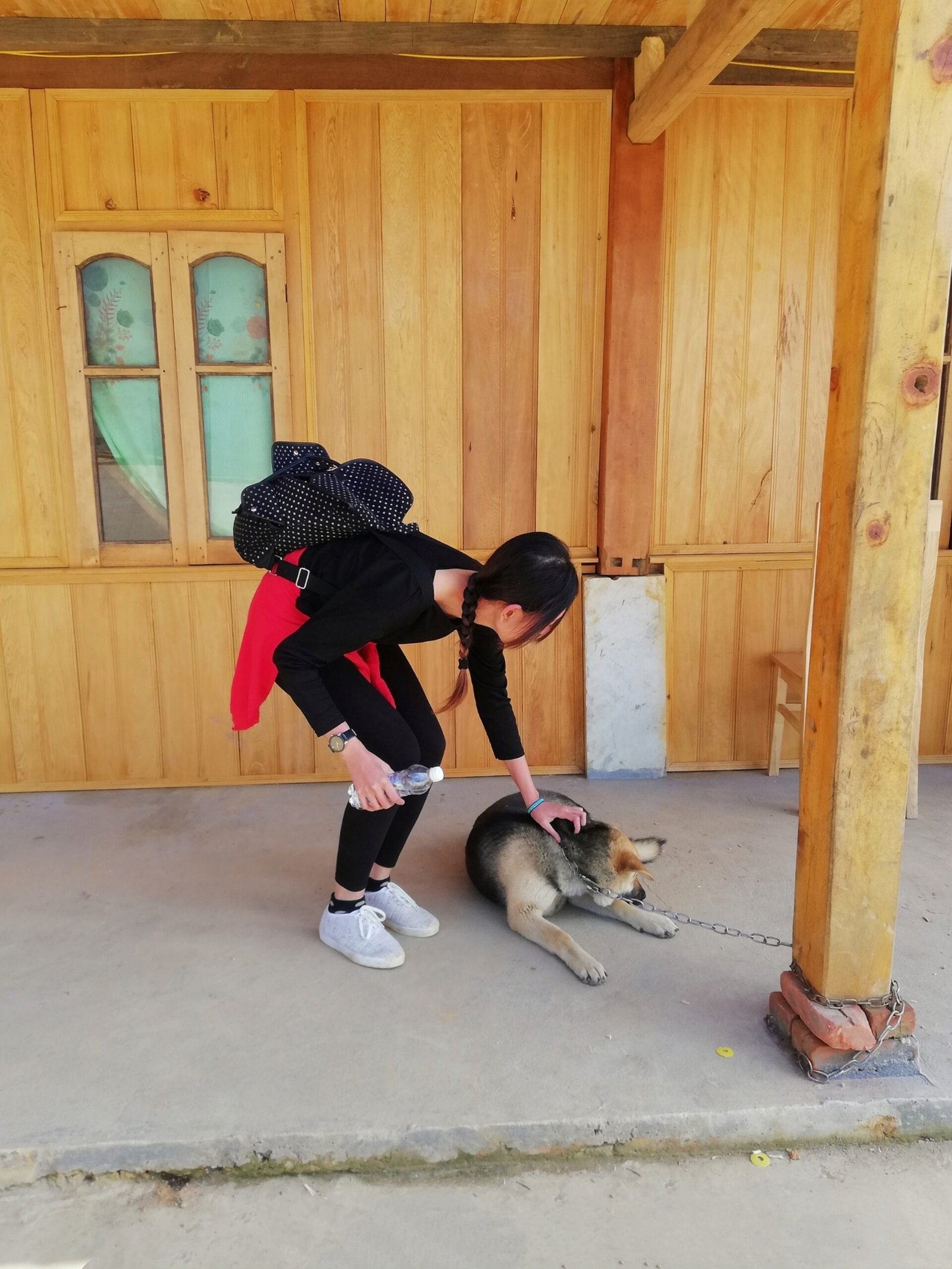
But then… the views. The scenery along the trail was absolutely incredible—sometimes breathtaking, like something straight out of Kashmir or Switzerland. Every sweaty, aching step felt worth it. We passed rivers, waterfalls, dense forests, rice terraces, and ethnic villages. There were animals everywhere too, especially pigs! They’d casually walk past us like we weren’t even there!
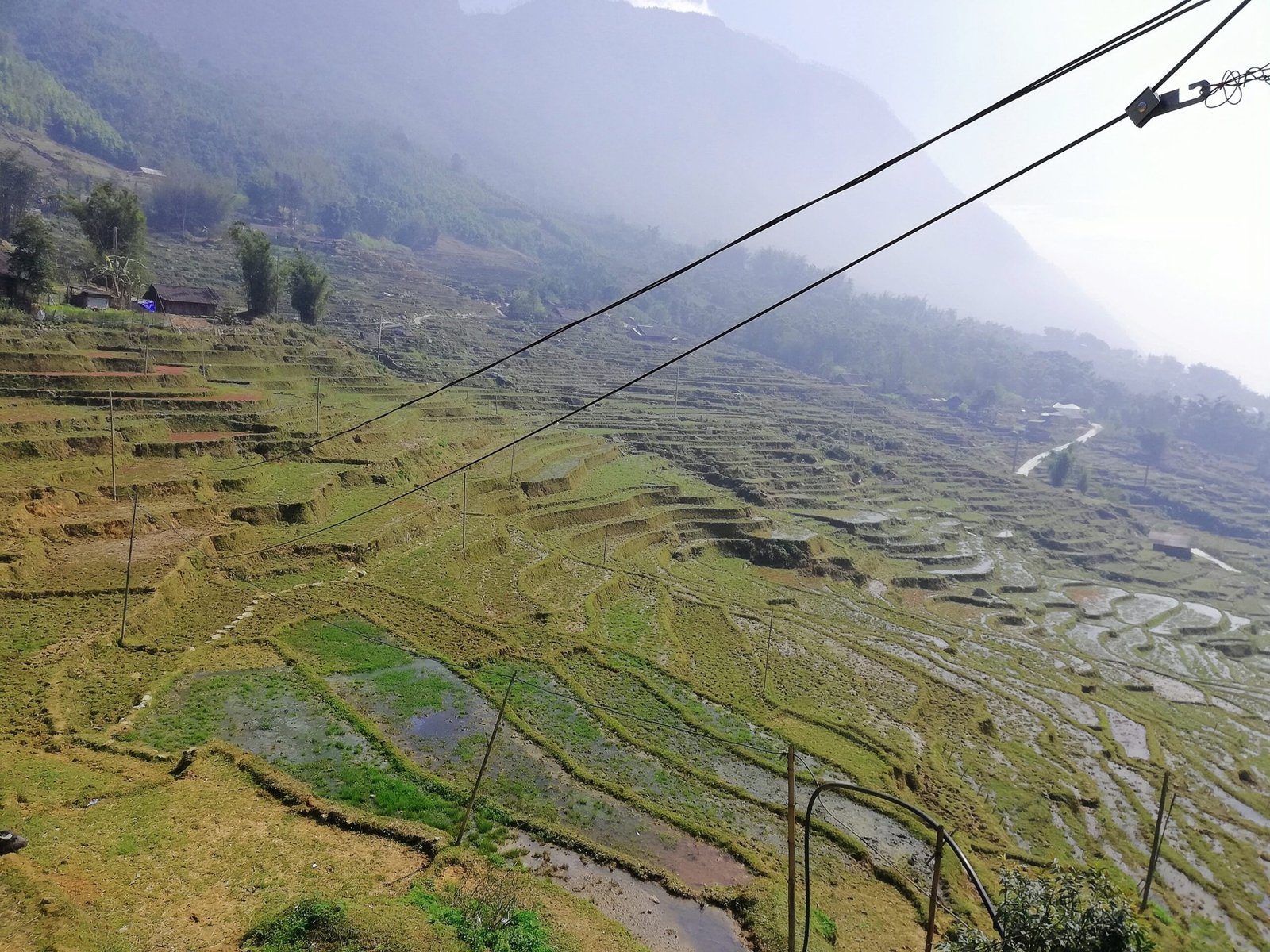
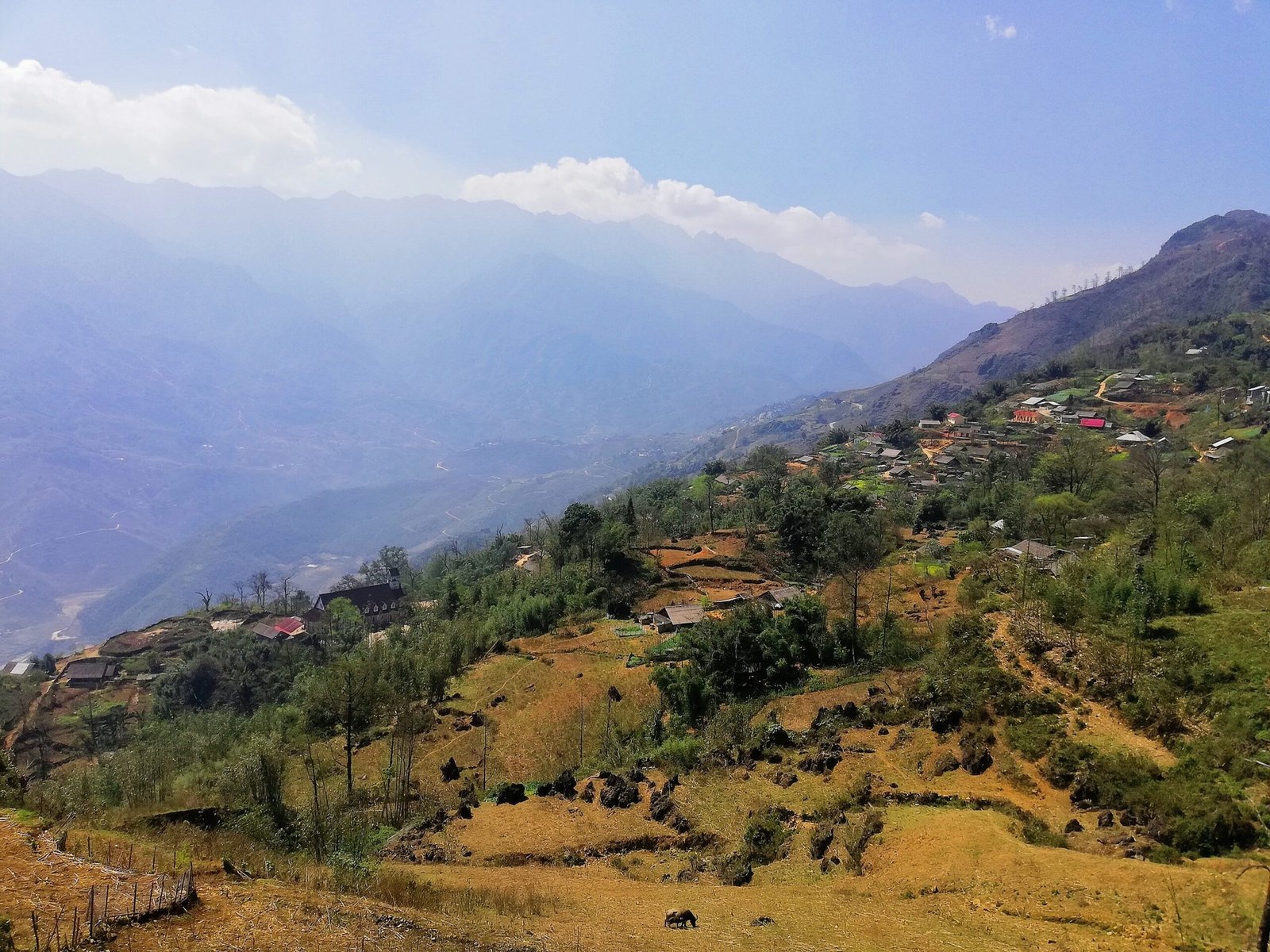
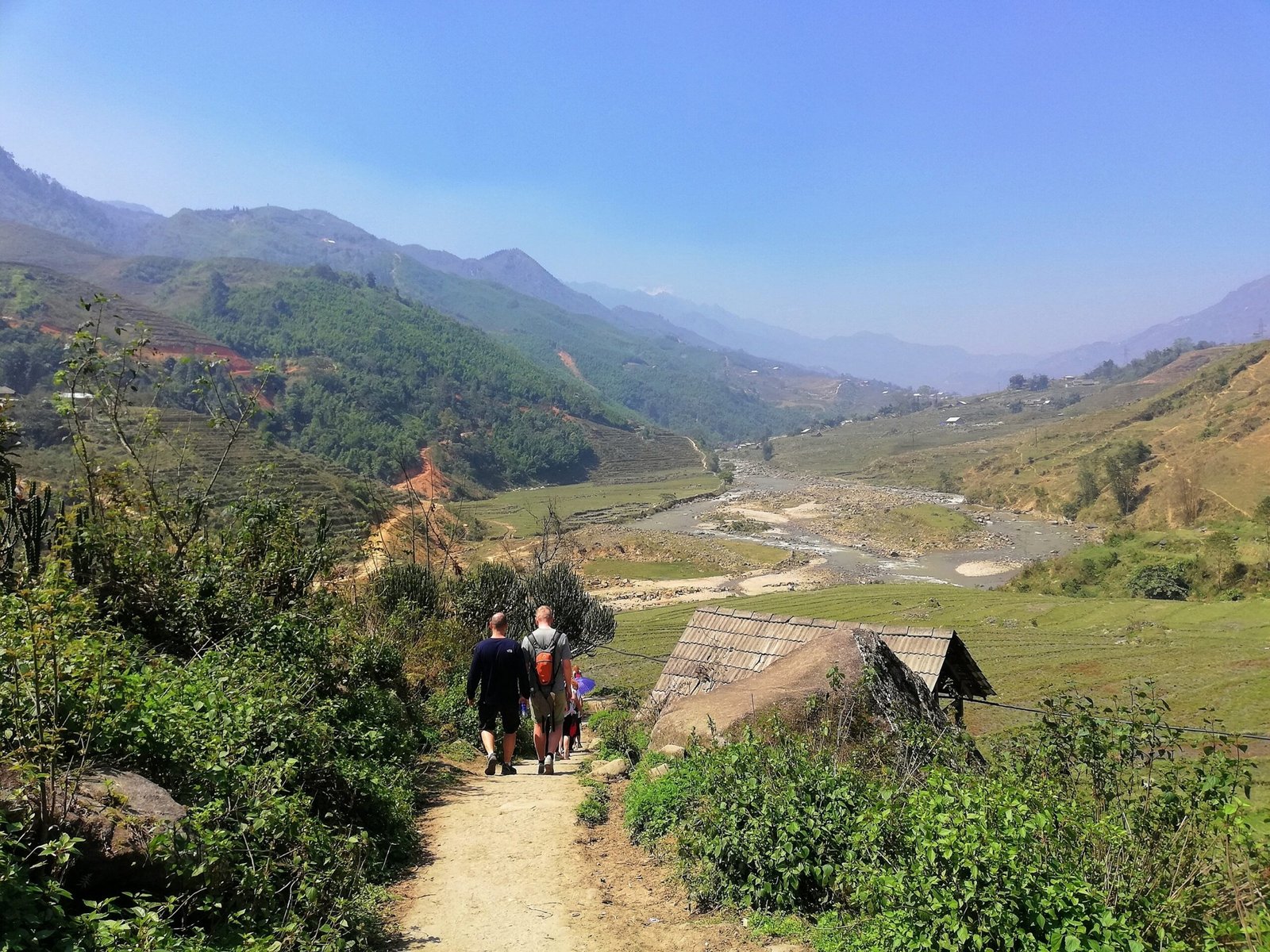
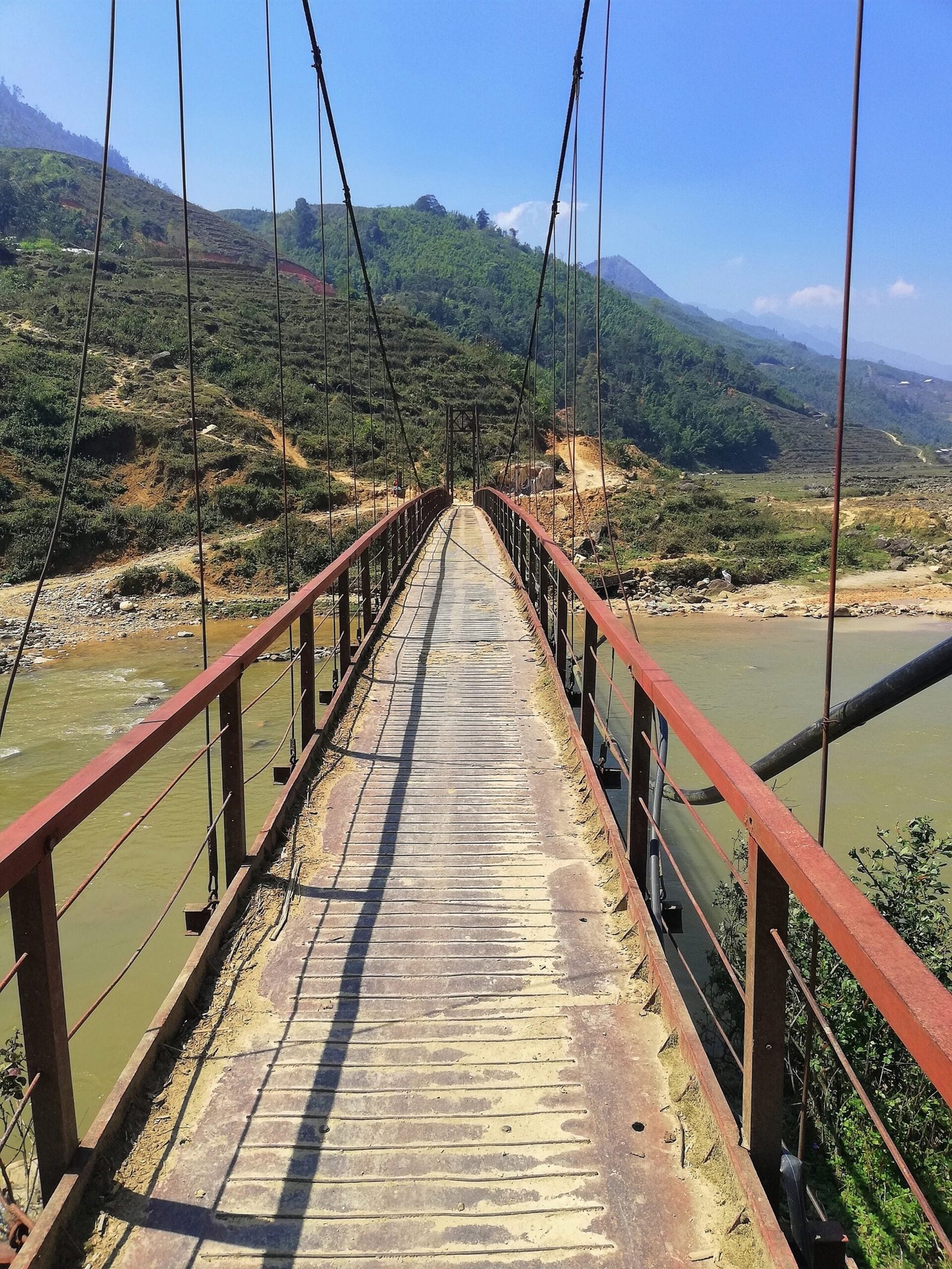
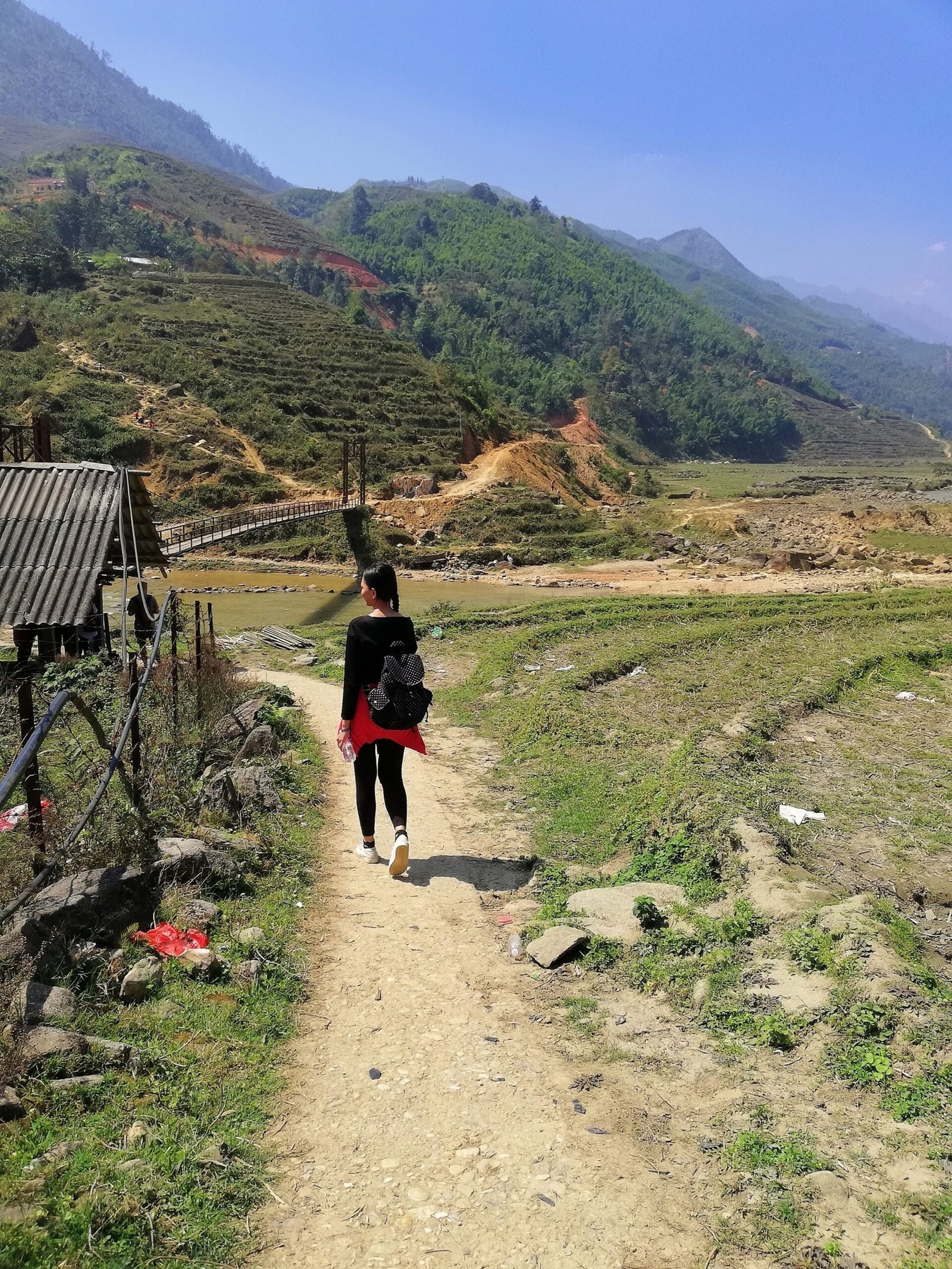
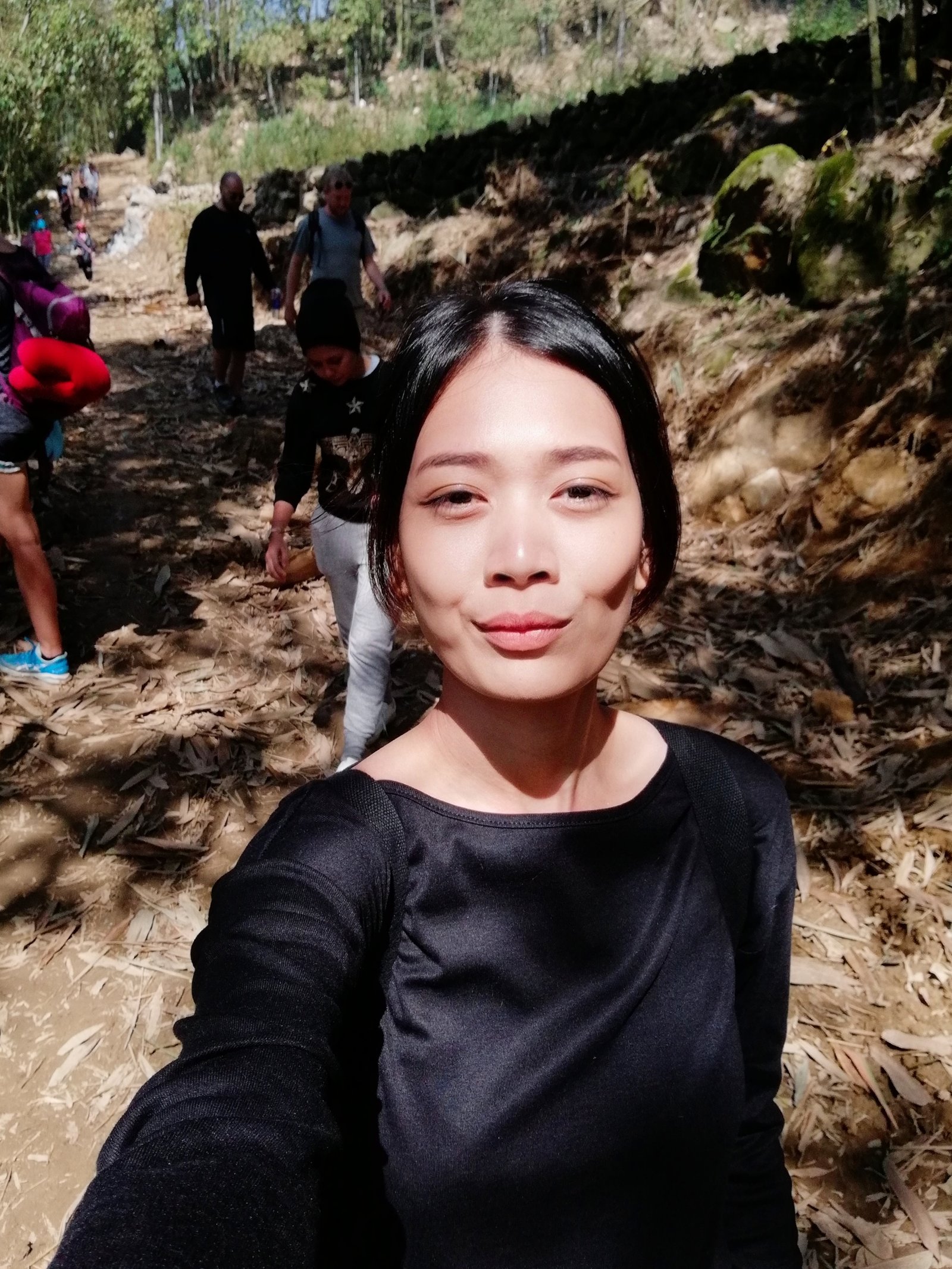
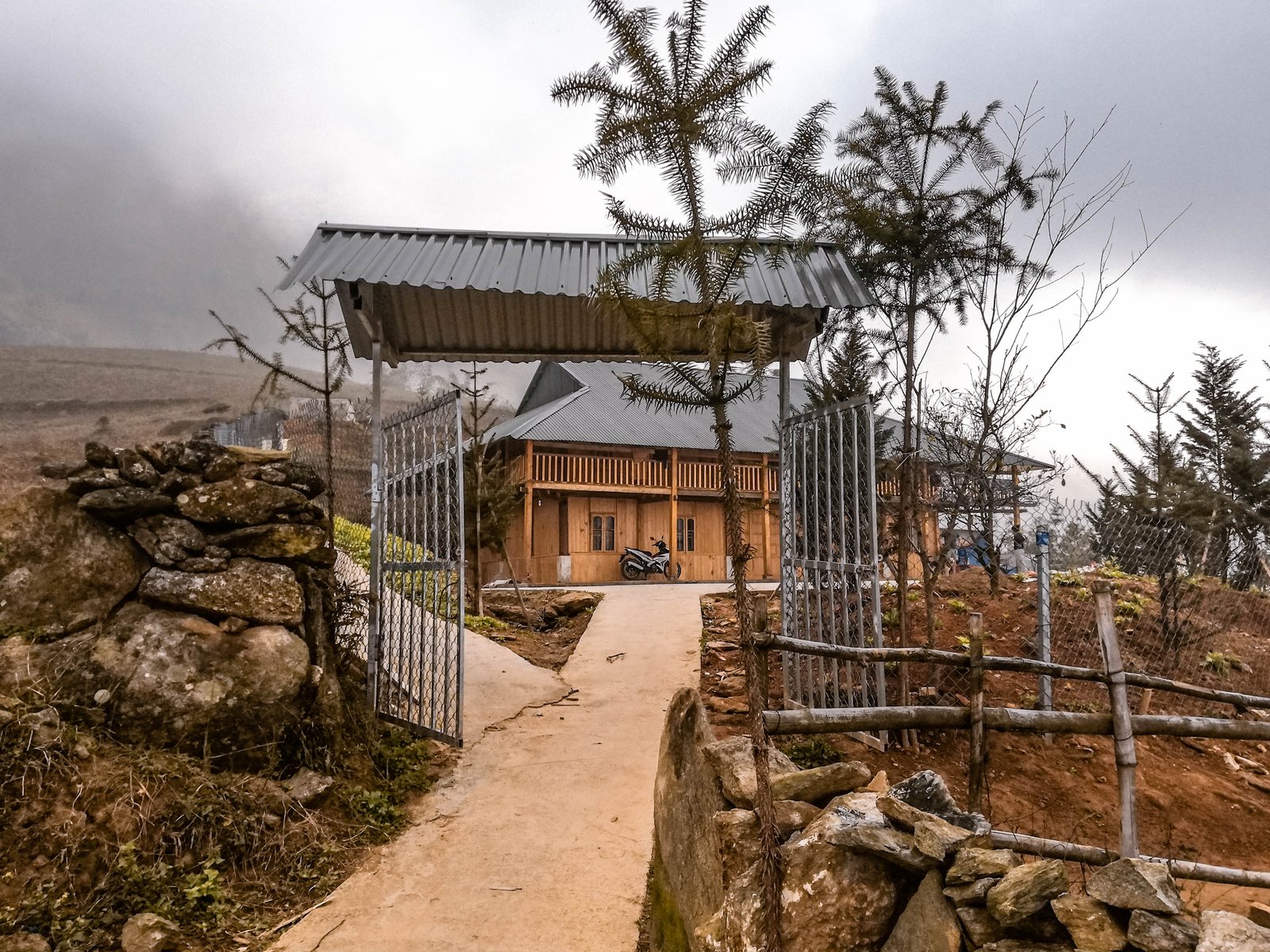
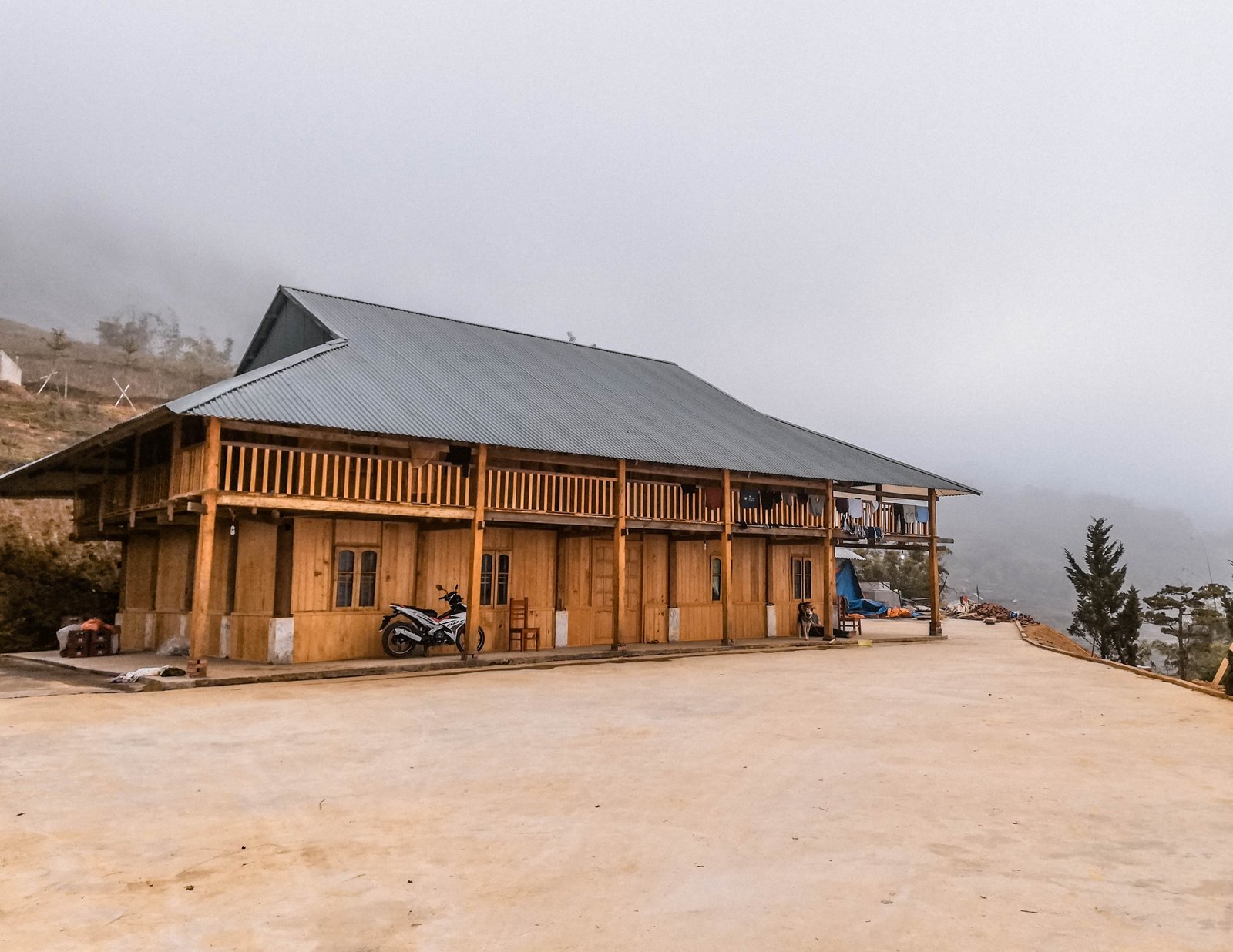
Our homestay was with a local family and shared with 18 other trekkers. My friend and I were the only Asians—and the only Muslims—in the group. When we arrived, the hosts assigned rooms so everyone could rest while they prepared meals. I took a quick nap until the host called us for dinner.
Dinner was a simple, traditional Vietnamese meal, and it was surprisingly delicious! It’s amazing how something as basic as rice, steamed vegetables, and steamed chicken can taste so good. We ate together in the living room with the other trekkers, chatting and getting to know each other before heading to bed. There was no internet at all, so my friend and I just talked for a while before falling asleep.
The next morning, we were served pancakes before stepping outside to enjoy the stunning views surrounding the homestay. Then it was time to get ready for another 7-hour trek back down to Sapa.
I also have to mention the hospitality, because it was honestly next level. My friend even lost her phone during trekking, and the locals actually retraced her steps to look for it. They even contacted our hostel in Hanoi to let us know—I was so impressed by how kind and helpful they were.
I’m not usually into hiking or trekking, and at first, I seriously regretted joining the tour. I wore the wrong shoes, and my feet were killing me! Looking back, I’m so glad I didn’t give up. The breathtaking scenery, the thrill of the adventure, and the kindness of the people made it one of the most unforgettable experiences of my trip.
✅ Tips for Sapa Trekking (Quick Guide)
- Shoes matter: Wear sturdy, closed-toe trekking shoes. Trails can be muddy, rocky, or dusty, and you may encounter animal droppings. Don’t wear old sneakers that will slip or soak through. Expect mud & slippery sections too. Some parts of the trail can get messy, especially after rain. Be cautious and watch your step.
- Sun protection: High-altitude sun is intense. Bring sunblock, a hat, and sunglasses to avoid sunburn.
- Stay hydrated & fueled: Carry enough water and quick snacks like granola bars, nuts, or fruit to keep your energy up during long treks.
- Clothing: Dress in breathable layers. A cotton shirt works for daytime, but pack a light sweater or jacket for chilly mornings or evenings. Rain ponchos are a smart idea if rain is expected.
- Walking support: Trekking poles help on steep or slippery sections. If you don’t have one, a sturdy branch from the trail works fine.
- Pace yourself: Don’t stress about keeping up with the group. Take breaks, enjoy the views, and listen to your body.
- Backpack essentials: Small backpack with water, snacks, camera/phone, power bank, and maybe a small towel for sweat or mud.
- Respect local culture: In ethnic villages, ask before taking photos of people or their homes, and be polite to the locals.
✅ Final Thoughts
Looking back, Sapa wasn’t just a trekking adventure—it was a journey that challenged me, surprised me, and left me with memories I’ll never forget. From running around to catch my bus, to hours of trekking under the blazing sun that left me sunburned and sore, to throbbing feet from wearing the wrong shoes, and finally to sharing meals and stories with locals and fellow trekkers, every moment shaped the experience into something truly special. Sapa isn’t just a destination; it’s a feeling—the crisp mountain air, the misty valleys, the golden rice terraces, and the warmth of its people make you fall in love with it in a way words can barely capture.
If you ever get the chance, take the leap, embrace the adventure, and let Sapa leave its mark on you, just as it did on me.
Til we meet again.
—Auri Duham🌸


Wow, what an adventure! Your Sapa experience sounds absolutely incredible—the views, the culture, and the warmth of the people really come alive in your story. I can almost feel the trek and the excitement through your words. Next time you plan a trip like this, count me in—I’d love to join and experience Sapa with you!
Yes! Sapa is truly a beautiful place. You should definitely visit someday; the culture is rich, the people are warm and welcoming, and the whole place has a very special charm.
It truly sounds magical. The way you describe the culture and the people makes it feel like a place you carry in your heart. I’d love to experience that charm someday. Places like that have a way of leaving a lasting imprint on the soul.