
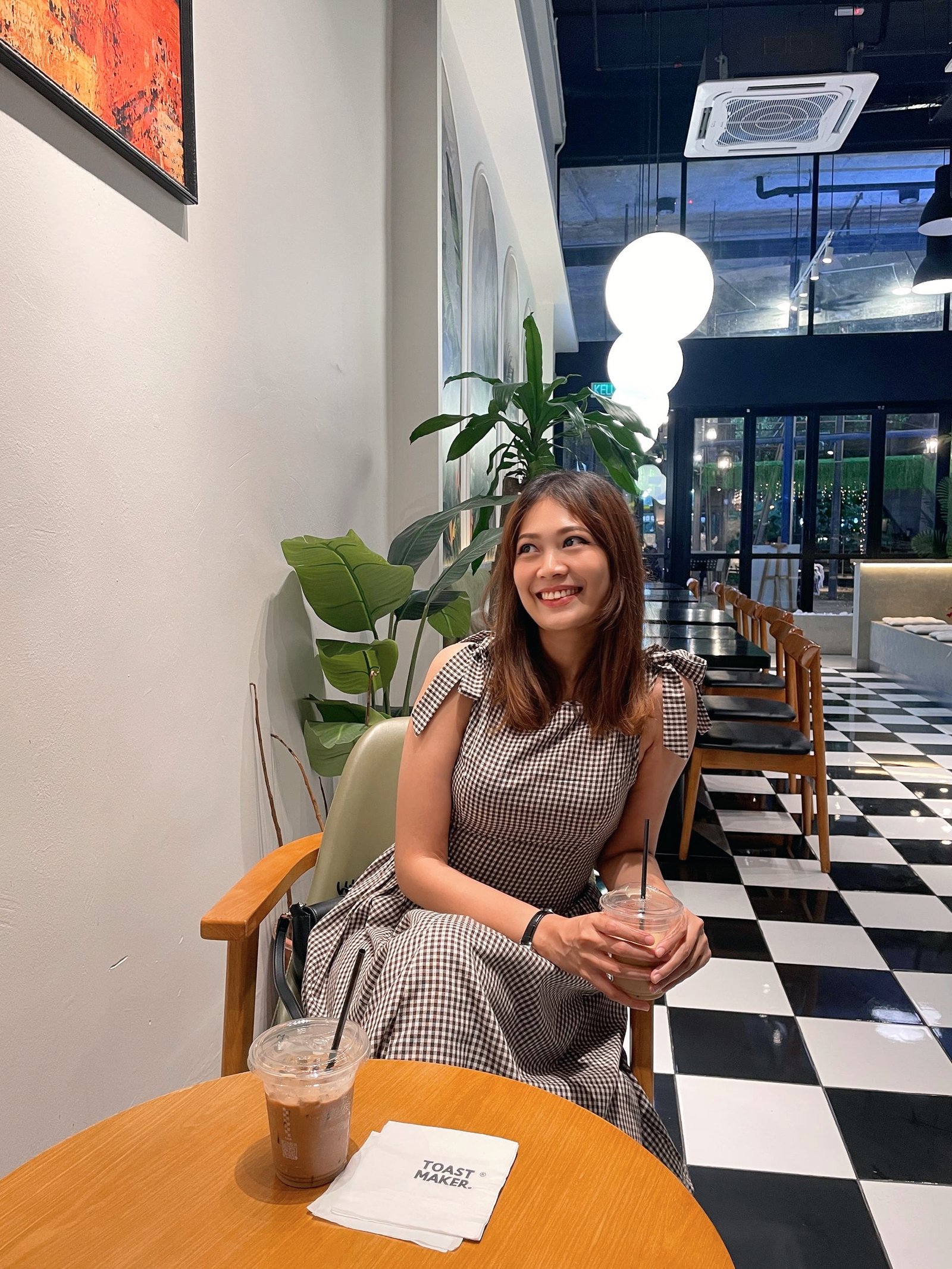
I remember when I was in my late 20s, around 26 if I’m not mistaken, there was this quiet buzz about the way I dressed. It wasn’t loud or confrontational. Just subtle comments here and there.
My skirts were “too short”.
My dresses were “a bit much”.
or the fact that I still wore shorts and skirts at that age, when I should have started to ‘dress my age’, as if it were somehow inappropriate if I didn’t.
A friend tried to defend me once. She said, “When she was younger and still living in her hometown, she didn’t really have the chance to wear those things.”
I know she meant well. She was trying to protect me.
Honestly, I didn’t fully agree with her—but I didn’t feel the need to defend myself either. In a community where mindsets can be deeply rooted, explaining yourself often feels pointless.
It wasn’t that I didn’t have the chance. I had always loved dressing up and noticing how people expressed themselves through clothes, even back in my hometown. I paid attention to celebrities and the styles that looked good. I observed how certain cuts could shape a person’s body and how the right colors could completely transform someone’s look.
What I lacked back then wasn’t interest—it was money.
✅ Fashion, Unfortunately, Requires Money.
When you grow up needing to prioritize essentials, clothing becomes functional first. You don’t buy the skirt just because it makes you feel beautiful. You buy what’s affordable. You choose what lasts. You don’t experiment freely when you’re calculating every purchase.
So yes, in that sense, I wasn’t able to fully explore my style in my early years.
But the love for it? That was always there.
When I started earning my own money and gained financial freedom, everything shifted. I could walk into a store and choose something simply because I loved it—not because it was the cheapest option.
That kind of freedom is powerful.
It’s not about being materialistic. It’s about having control over your own choices and how you present yourself to the world. So, of course, I tried the styles I had mentally bookmarked for years.
And somehow, that bothered people.
I mean, I was only 26, for God’s sake! Not 62.
It’s crazy how society can make your late 20s feel like you’ve already crossed into ‘old’, as if youth suddenly expires the moment you approach 30.
✅ Who Decided There’s an Expiration Date on Women?
What fascinates me is how society quietly sets expiration dates for women. In many cultures and communities, there’s an unspoken timeline. In your early 20s, you’re allowed to experiment. By your late 20s, you’re expected to “mature”. By your 30s, you are expected to shrink yourself into something more subdued, more conservative, and more acceptable.
But who created that timeline?
Seriously… Who decided that?
Who created these expectations that suggest joy or self-expression has an age limit?
I’ve always believed fashion is personal. But the older I got, the more I realized it’s also shaped by social expectations. When someone says, “Dress your age,” what they’re really saying is, “Dress in a way that makes me comfortable.” It’s rooted in traditional expectations that once dictated how women should behave, look, and exist as they grow older. The idea suggests that aging must come with restriction, that maturity equals invisibility, and that confidence has to tone itself down.
I refuse that narrative.
✅ I Was Once a Fashion Victim, Too.
I won’t pretend that everything I wore looked amazing. There were times I tried to replicate what I saw in magazines or on celebrities, thinking that if it looked good on them, it would look good on me. Sometimes it worked. Sometimes it didn’t. I’ve been a fashion victim too. I experimented with pieces that weren’t aligned with my body type or personality simply because they were trending.
But the truth is, I’ve never been a big fan of trends.
Take skinny jeans, for example. There was a period when skinny jeans were everything. If you weren’t wearing them, you were considered outdated or unfashionable. I tried them. I really did. But I never liked them. They didn’t feel comfortable, and they didn’t feel like “me”. I’ve always preferred loose jeans. They felt timeless, effortless, confident, and authentic to my style.
Back then, I was criticized for that choice. They said loose jeans looked unflattering. Now, the same loose jeans are celebrated as chic and modern. Sometimes I jokingly think, “I told you so.”
But the real lesson here? Trends change. Personal style doesn’t.
✅ The Narrow Expectation From Others.
No matter what you wear, someone will always have something to say. If you dress boldly, you’re trying too hard. If you dress simply, you’re boring. If you follow trends, you’re superficial. If you don’t, you’re outdated.
The truth is, people will always find something to critique. Even when there’s nothing obvious to criticize, they will dig until they find something. That’s just how it goes when people measure others through their own narrow expectations instead of allowing individuality to exist.
That realization freed me.
The phrase “dress your age” is outdated and completely subjective. It implies that your age automatically comes with a universal style, like there’s a rulebook for what 30 or 40 should look like.
But what does 30 look like?
What does 40 look like?
These numbers are just biological markers, not fashion categories. Style should evolve because you evolve, not because society tells you to shrink yourself or tone down your joy.
✅ My Confidence Reached Its Peak When I Turned 30.
Interestingly, I felt more confident exploring fashion in my 30s than I ever did in my 20s. By then, I knew myself better. I had traveled more and expanded my social circles beyond my own race and background, and that exposure gave me a broader perspective.
Meeting people from different cultures, seeing how style is expressed around the world, and observing how confidence transcends age—all of it shaped the way I dress myself. My early 30s felt like a creative peak. I still wore short skirts, dresses, and specific cuts and patterns simply because they made me feel good and like I truly belonged in my own skin.
I often get, “You look younger than your age.” Maybe it’s partly in my genes, or just the way I age, but most people assume I’m in my mid-20s when I’m already in my 30s. The truth is, it’s never been about trying to look younger. It’s about the energy I carry—confidence, polished grooming, and styling with intention. I invest in how I present myself.
As I stepped further into my 30s, my style naturally evolved with me. I found myself gravitating toward knee-length dresses and skirts, choosing pieces that feel classy and refined. They make me feel powerful and grown… not old.
And that’s the difference.
My style didn’t stop. It transformed.
✅ Aging Is not The Enemy of Style. Fear is.
Fear of judgement. Fear of standing out. Fear of being “too much”. When you remove that fear, fashion becomes joyful again. It becomes playful. It becomes empowering.
I love being who I am. I love playing dress-up. I love discovering new outfits that flatter my current body. I love that my taste has matured without becoming boring. Being told to act or dress a certain way because of my age feels narrow-minded.
Life is already structured by responsibilities, expectations, and obligations. Why should joy be restricted, too?
Fashion should never stop when you age. If anything, it should get better. You know your body better. You understand proportions better. You have more resources. You have more exposure. You have more self-awareness. Why would you silence that?
To me, “dress your age” should mean this:
Dress in a way that aligns with who you are at this stage of life.
If that’s bold, be bold.
If that’s elegant, be elegant.
If that’s minimalist, embrace it.
But let it be your choice, not society’s policing.
Because the truth is, the moment you start dressing to satisfy everyone else, you lose something essential—yourself.
And I, for one, refuse to lose that.
Ultimately, I’m dressing my age—fabulous, confident, and completely unbothered. 🥰
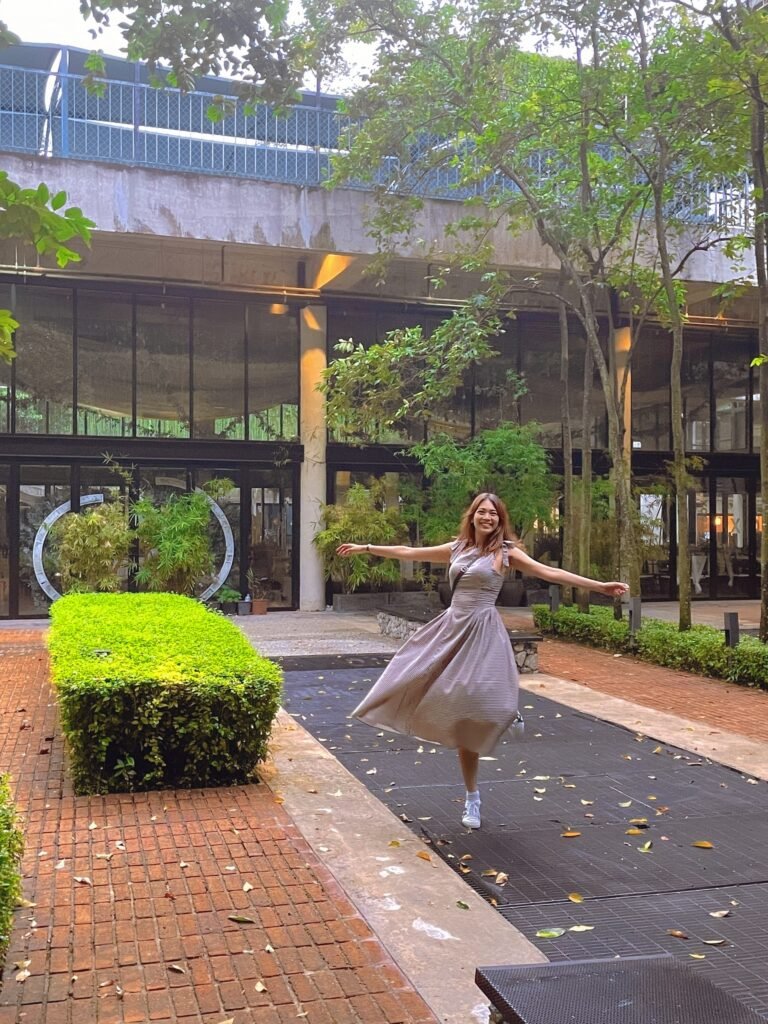
—With love,
Auri Duham 😘


Ah, I love this!! AND your beautiful soul and spirit~ and dress! It’s about confidence, as you say, and not looking younger! And money lol! I’ll be 56 in July and I don’t care what others think of how I dress (I don’t dress to offend~ I dress to represent who I am). Keep being you!! ❤️♥️💚
Exactly. We shouldn’t stop dressing up or wearing what we love as we age. In fact, we should wear whatever makes us feel comfortable and confident at every stage of life. Society (especially in more conservative environments) often places limits on others simply because they wouldn’t make the same choices themselves. And when they see someone else doing it freely, it can make them uncomfortable. But it’s not about them. It’s about us living with joy and embracing what life has to offer. I’ll be 56 someday too, and I fully plan on wearing whatever makes me feel good. That’s why I always encourage people: stop listening to voices that try to shrink you into “dressing your age”. Stay fabulous!