
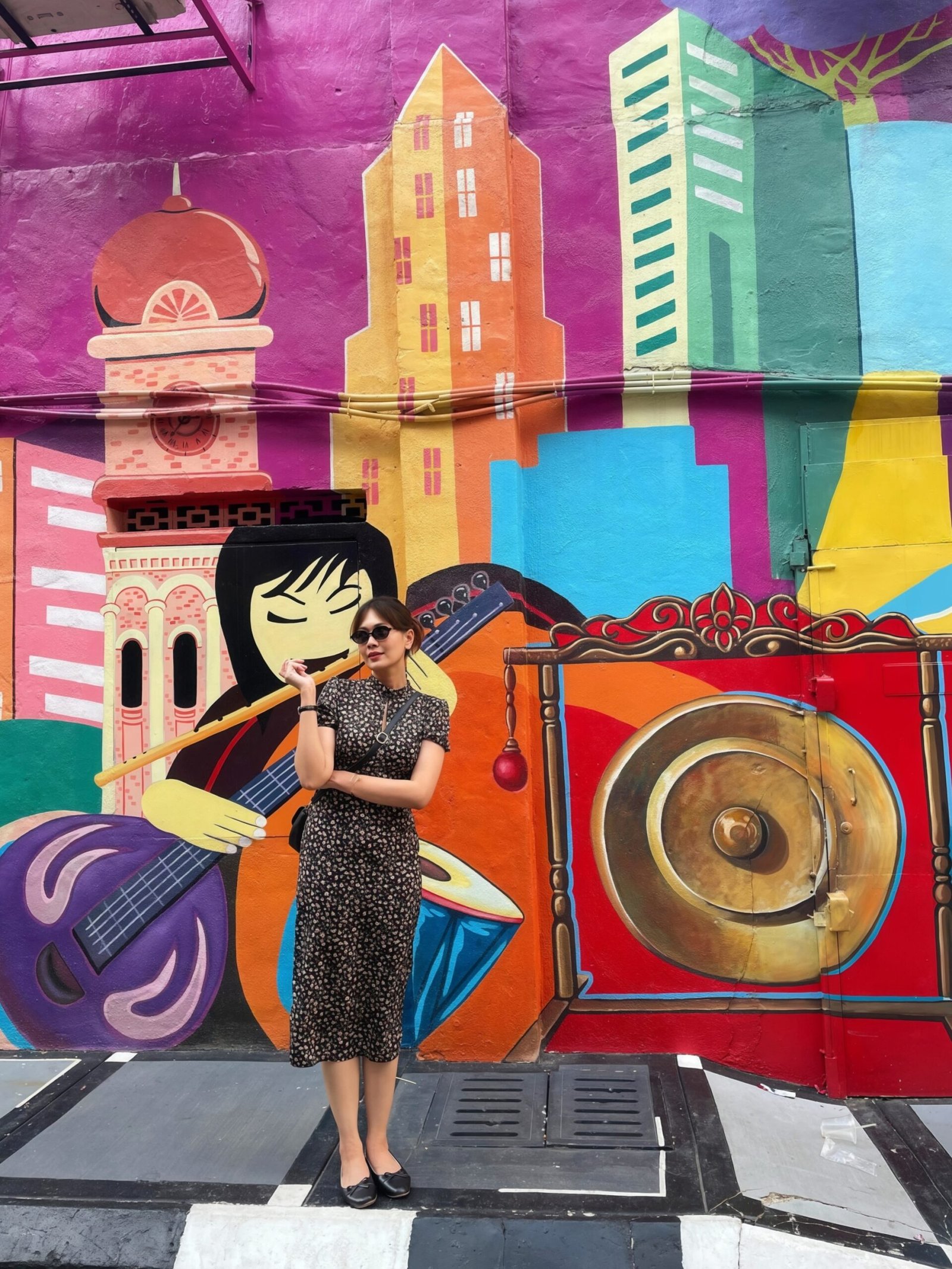
When you live in Malaysia, a lot of things just feel normal.
Need to get somewhere? Open Grab. Need to escape the heat? Walk into a shopping mall. Forgot to buy something? There is probably a convenience store nearby. Hungry at midnight? Find a mamak.
Then I started travelling solo in 2016.
The more countries I visited, the more I noticed what I missed when I was away. Things I barely gave a second thought to at home suddenly became things I looked for abroad.
It also made me realise something else.
I complain about Malaysia quite a lot. Traffic, prices, parking, the heat… the list goes on but travelling has given me a different perspective. Some of my complaints feel pretty minor after experiencing how things work elsewhere, while some things I thought were completely ordinary turned out to be surprisingly hard to find outside Malaysia.
Those are the things I appreciate more now. Not the big, impressive things. The ordinary ones. The little things that make daily life easier and that I miss when I’m away. Things I probably would never have noticed if I had never travelled.
✅ Malaysian Food Is Ridiculously Affordable
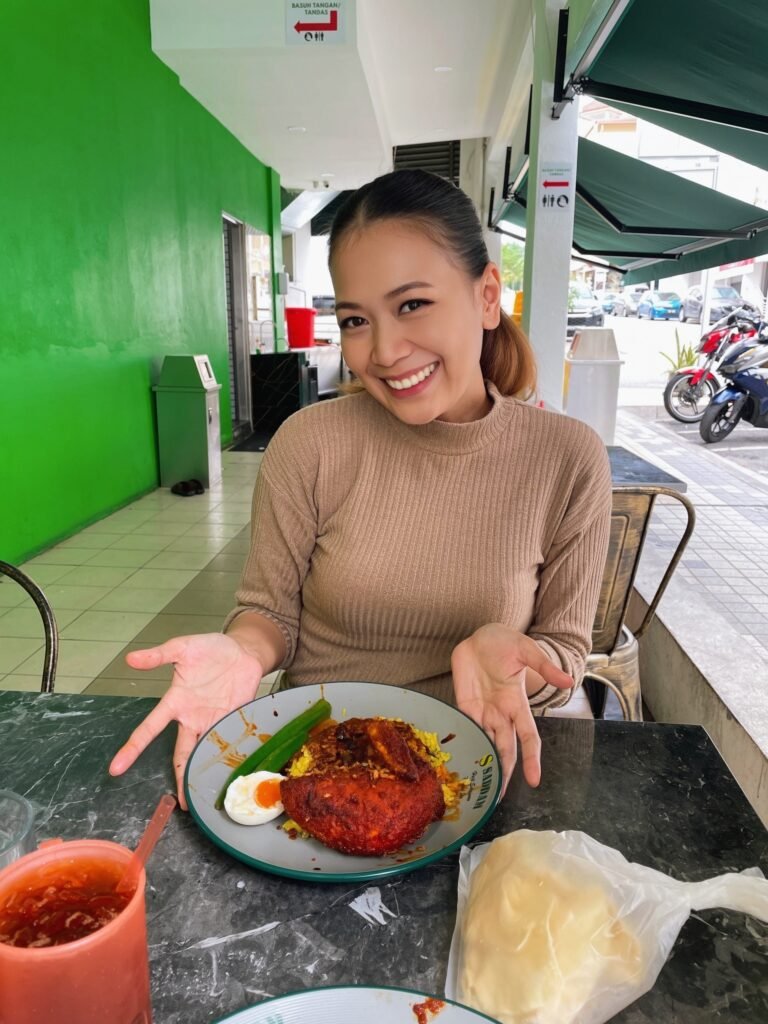
Food is one of the things I appreciate most every time I come home.
Malaysia has spoiled me.
I can walk into a simple restaurant, order a proper meal and not feel like I have just made a major financial decision.
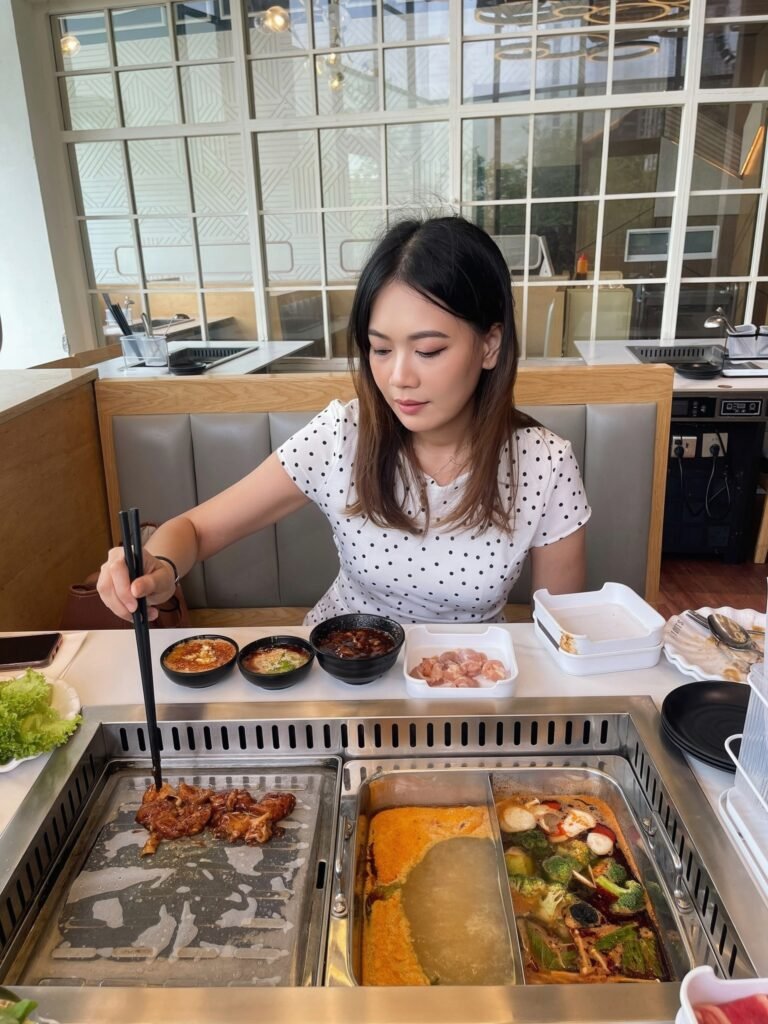
Noodles. Rice dishes. Mamak food. Chicken rice. Roti canai. Mee celup. Nasi kerabu. Local desserts.
The choices are almost endless, and you can still find plenty of everyday meals at prices that feel surprisingly reasonable compared with many other countries. For a rough idea, a bowl of noodle soup can cost around €3, depending on where you eat. A filling rice meal can often be around €2 to €4, while a simple local dessert might cost around €0.50 to €1.50.
A budget of around €5 can still get you a proper, filling lunch in many everyday Malaysian eateries.
Of course, Malaysia isn’t as cheap as it used to be. I feel the price increases too. Malaysians love talking about how much food used to cost, and I am guilty of it myself.
I feel the difference most when I’m travelling and eating out every day. After a few days of paying tourist prices, I start craving Malaysian food. Not fancy food either. Sometimes I just want a normal plate of rice with a dish on the side, something hot, filling and familiar that I don’t have to research or stare at the menu while quietly reconsidering my life choices.
I’ve come home from expensive cities and felt genuinely happy to see a familiar Malaysian menu.
Not because Malaysian food is always cheap. It isn’t. Travelling has simply made me appreciate what a normal meal here actually costs.
Sometimes I order a simple meal, look at the bill and think:
“Okay, we actually have it pretty good here.”
Then I eat.
That’s the real luxury.
✅ We Can Eat At Ridiculous Hours
Malaysia’s love affair with food does not stop at dinner. Sometimes you can still find somewhere to eat at midnight.
Or 2am.
Or even later.
Mamak restaurants are a huge part of this.
In many Malaysian cities, it is perfectly normal to find restaurants, mamaks and other eateries still serving food well after midnight.
I’ve had plenty of late-night meals in Malaysia and thought nothing of it. I only realised how much I relied on this when I travelled to places where everything starts closing early.
In some cities, once it gets late, your options become very limited. You can’t simply walk out of your hotel at midnight and expect to find a plate of hot food nearby. In Malaysia, you usually can.
We eat early.
We eat late.
We eat when we’re celebrating, stressed, bored or simply because someone said, “Jom makan.”
Late-night food is part of what makes Malaysia feel so lively. You can finish dinner late, meet friends for supper or suddenly decide you want roti canai at an hour when people in other cities are already asleep.
✅ We Have So Many Different Cuisines In One Country
Malaysia is incredibly multicultural, and you can see it clearly through what we eat. From cuisines that have been part of Malaysian life for generations to newer influences brought in by expats, we have an incredible variety.
I can have nasi lemak for breakfast, dim sum for lunch, Japanese food for dinner and Korean fried chicken later. The next day, I might crave Thai food, have Indian food after that and suddenly decide I want pasta.
I don’t have to fly anywhere.
Chinese, Indian, Malay, Thai, Indonesian, Japanese, Korean, Mediterranean, Middle Eastern and Western. We kind of have everything here.
The best part is that you don’t have to look for these cuisines only in tourist areas. Depending on where you are, you can find them throughout the city, in shopping malls, food courts, neighbourhood restaurants, mamaks and local eateries.
That kind of variety is easy to overlook when you live here. It is only after spending time somewhere else that I realise how special it is to have so many different cuisines within one country, without having to cross a border.
✅ Air-Conditioning And Shopping Malls Are A Whole Lifestyle
This sounds ridiculous until you travel somewhere hot and discover that air-conditioning isn’t guaranteed.
Malaysia is hot. Very hot.
We complain about the heat constantly, but we have also built a huge part of our daily life around escaping it.
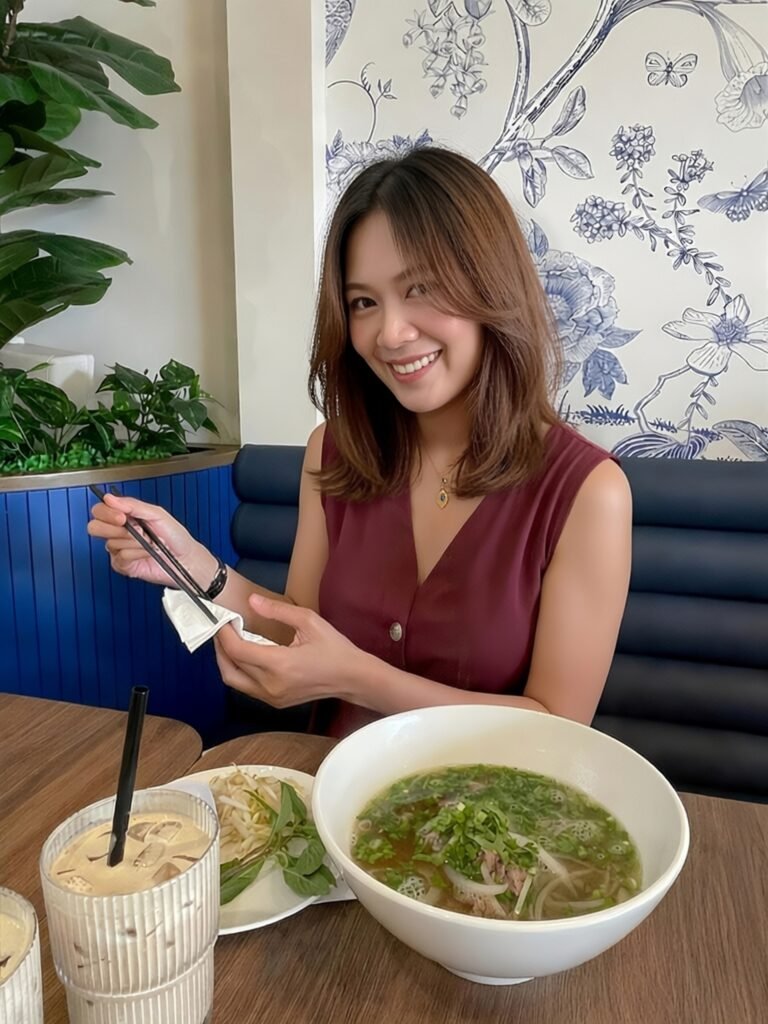
Shopping malls are freezing. Restaurants are usually air-conditioned. Cafés are air-conditioned. Hotels are air-conditioned. Offices are air-conditioned. Cinemas are basically refrigerators. Even some public spaces are aggressively cold.
Then you travel somewhere warm and realise you can’t simply walk into every building and expect the same level of comfort.
I’ve had moments while travelling when I walked into a building and thought, “Why is it so hot in here?” That is when I remember that not everywhere has Malaysian-level air-conditioning.
Suddenly I miss home.
Shopping malls are another thing I never thought I would miss. I am not obsessed with shopping, but Malaysian malls are incredibly practical.
You can eat, shop, buy groceries, go to the pharmacy, get coffee, watch a movie, withdraw money, use the toilet and stay out of the heat without leaving the building. Some complexes even have supermarkets, clinics, salons, hotels and entertainment attractions under the same roof.
You can practically spend half a day inside a Malaysian mall without planning anything.
One of my American friends once jokingly called Malaysia “Mallaysia” because there seem to be malls everywhere.
We love going to the mall partly because it gives us somewhere comfortable to spend time when it is 37°C outside.
The mall is not just somewhere to shop. For many Malaysians, it is where we eat, meet friends, run errands, watch movies and get things done. You can walk into one building and tick off half your to-do list.
Malaysia is very good at putting everything under one roof.
That becomes especially useful when it is raining or unbearably hot outside.
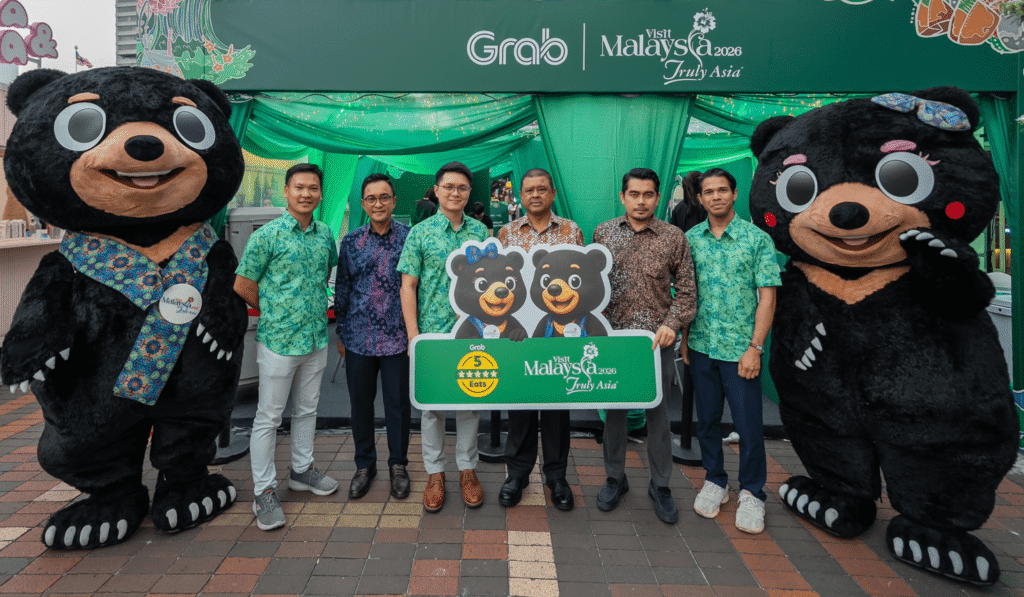
✅ Grab Is Actually A Luxury
I don’t think Malaysians realise how easy Grab has made everyday life.
Don’t feel like driving? Grab.
Want to make a restaurant reservation? Grab Dine Out.
Hungry and don’t want to leave the hotel? GrabFood.
Need groceries without leaving home? GrabMart.
Want to send something to someone across town? GrabExpress.
Want to buy something now and pay next month? Grab PayLater.
A few taps on my phone can solve a problem that used to require getting dressed, getting into the car, driving somewhere, finding parking, waiting in line and driving home again.
That’s a lot of everyday problems solved in one app.
I notice it even more when I travel.
I actually enjoy using public transport when it is convenient. Give me a good train system and I am happy to figure it out, but public transport isn’t always the easiest option.
Sometimes the station is far from where I actually need to go. Sometimes I have to change trains several times. Sometimes I am carrying luggage or have already walked 20,000 steps that day. Some cities have excellent public transport, but getting from the station to my actual destination can be where things get complicated.
That is when I start missing Grab.
In Malaysia, I can open the app, enter my destination and see the quoted fare before I book. I can track my ride, see my driver’s details, communicate through the app, make a cashless payment and even share live updates with someone else for extra peace of mind. I don’t have to stand on an unfamiliar street trying to find a taxi, negotiate a fare or explain exactly where I need to go.
For a solo traveller, that matters.
I can order dinner when I am too tired to cook. I can get groceries delivered when I don’t feel like going to the supermarket. I can send something to someone without driving across town myself. I can get a ride when I don’t want to deal with traffic or parking.
We have become so used to doing all of this from our phones that it barely feels special anymore.
That’s probably why I call Grab a luxury. Not because taking a Grab is some extravagant experience. It isn’t. The luxury is having the choice to solve everyday problems with a few taps instead of spending time and energy doing everything yourself.
Grab has become so normal in Malaysia that we sometimes forget how much easier it has made getting around, ordering food, shopping and sending things from one place to another.
Travelling reminds me of that every time I come home.
✅ Convenience Stores Make Life Easier
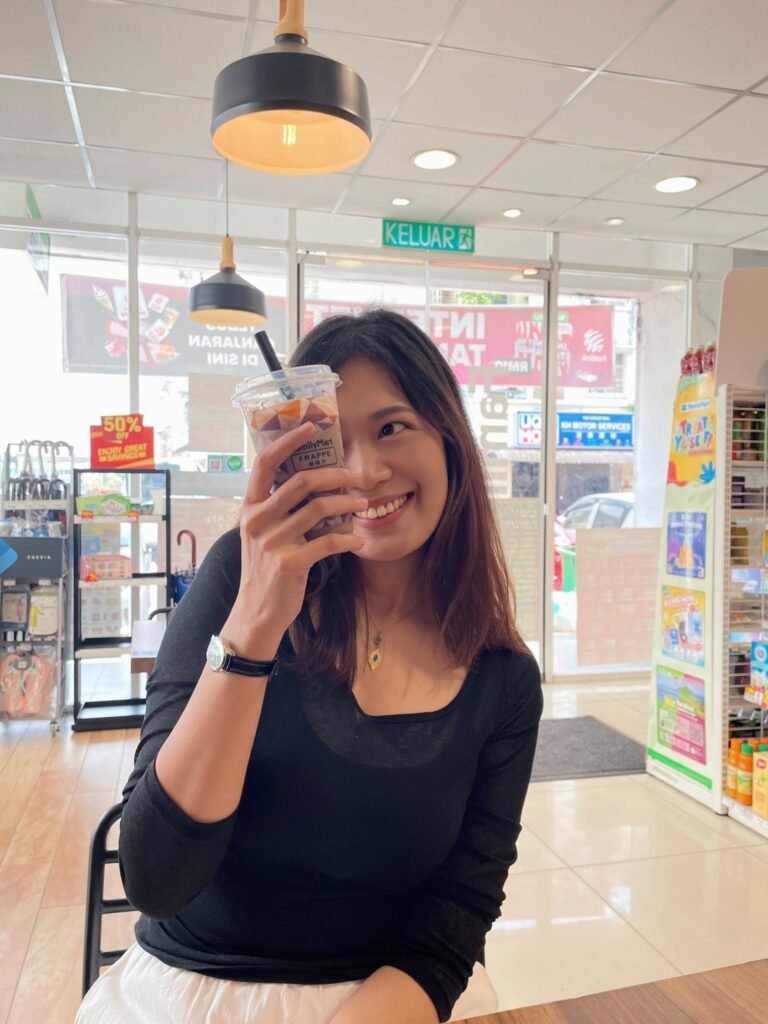
Water. Snacks. Toiletries. Drinks. A quick breakfast.
It is easy to find something when I need it.
Something I forgot to pack. Something I suddenly crave.
Malaysia has plenty of convenience stores that make these little emergencies surprisingly easy to deal with. Some are open 24 hours, which makes them even more useful.
Many also have a microwave and a small dining area with tables and chairs, so you can buy prepacked food, heat it up and sit down to eat instead of taking it home.
It sounds like a small detail, but it makes a difference when you just need a quick meal, a drink or somewhere to sit for a few minutes.
When travelling, I have had moments where I just wanted to buy something simple and realised the nearest place was nowhere near my hotel.
At home, I rarely think about it. If I forget something, I can usually just go out and buy it.
✅ Halal Food Is Something I Don’t Have To Think About Much At Home
As a Muslim, this is one of the things I appreciate most when I travel.
In Malaysia, halal food is so common that I don’t have to spend my day planning every meal around it. I can walk into many restaurants, food courts, malls and local eateries and find something suitable.
The overall accessibility is very different from travelling in many other countries, though. When I travel, finding halal food can become part of my itinerary.
I search. I read reviews. I check menus. I look at ingredients.
Malaysia is a multicultural country with a huge food culture, and being able to enjoy so many cuisines while still having plenty of halal options is something I notice much more when I’m away.
You can even find halal Chinese restaurants in Malaysia, and people from different backgrounds generally understand and accommodate this. If Malaysians invite Muslim friends to a celebration, dinner or gathering, it is quite common for them to make sure there is halal food available.
It usually doesn’t need a long explanation.
People simply understand that halal food matters to their Muslim friends, colleagues, neighbours or guests.
For Muslim tourists visiting Malaysia, this is one of the things that can make travelling around the country much easier. You can experience the country’s incredibly diverse food culture without having to plan every meal around finding something you can eat.
✅ Public Toilets Matter More Than You Think
This is not exactly glamorous travel content, but anyone who travels enough will understand.
Public toilets matter. A lot.
Malaysians have plenty of complaints about our public toilets. I know. I have my own list.
I have started paying more attention to where I can find a decent toilet in malls, restaurants, petrol stations, attractions and other public places.
I have also become much more aware of the differences between countries.
Sometimes the toilet is clean. Sometimes it is not.
Sometimes there is toilet paper. Sometimes there isn’t.
Sometimes you walk into a public toilet and immediately regret every decision that led you there.
One thing I appreciate more after travelling is how common bidets and water sprays are in Malaysian toilets. You don’t have to carry your own water just to clean yourself, and some public toilets even have showers where you can freshen up.
Highway rest stops make long road journeys easier too. You can stop for a toilet break, grab something to eat or drink, stretch your legs and take a proper break before getting back on the road.

✅ Malaysian Hospitality Is Something I Notice More When I’m Away
I think Malaysians can be quite warm without even realising it.
We offer food.
We tell people to take more.
We worry when someone hasn’t arrived yet.
We say, “Dah makan?”
Sometimes we can be nosy too. Very nosy. There is usually some warmth behind it, though.
I notice this more when I travel because I meet people from different cultures and experience different ways of communicating. It made me realise that Malaysians have our own way of being welcoming.
We are generous with a smile. We help even when nobody asks. We try our best to be friendly and make things easier for people, especially when they look lost or need a little help.
Not every country is unfriendly. Far from it. I’ve met incredibly kind people during my travels, including strangers who helped me when I was lost, confused or simply trying to figure out what I was doing. I still remember those moments.
Coming home reminds me that Malaysians have their own way of showing care.
Sometimes it is as simple as a restaurant worker helping you find a seat, a stranger giving you directions, someone telling you which train to take, a friend insisting on sending you home or someone asking, “Dah makan?”
We may not even think of these things as hospitality. To many of us, it is simply how we grew up.
✅ Some Essential Services Are Open 24 Hours
Another thing I barely think about until I travel is how easy it can be to get medical help outside regular hours.
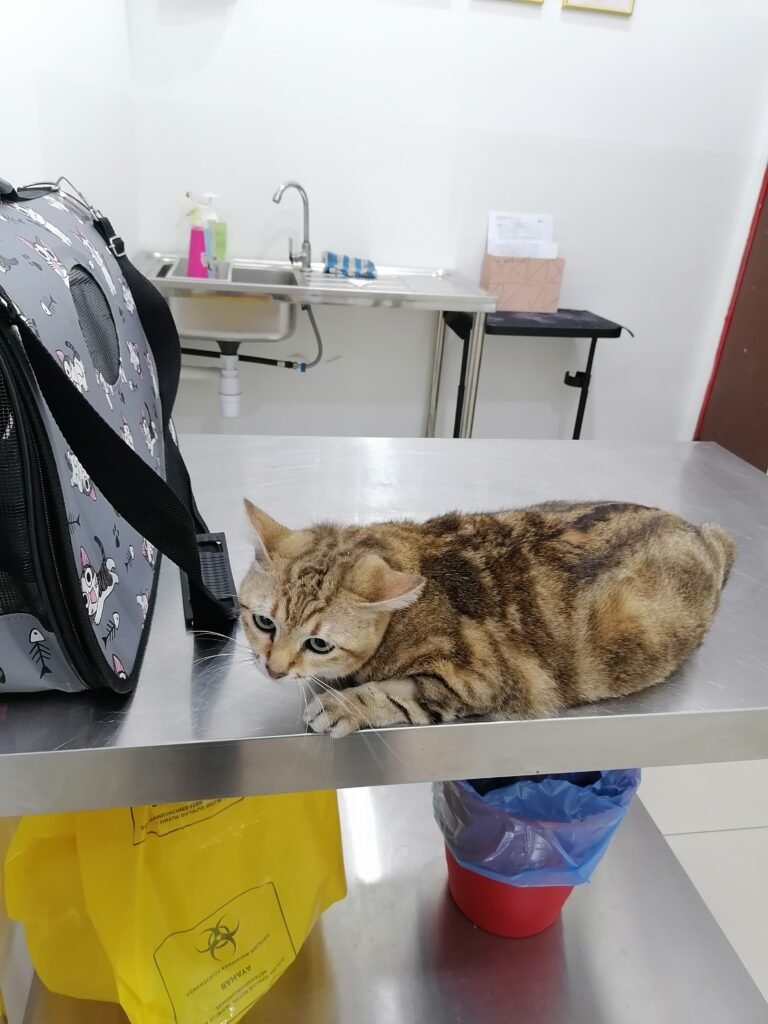
In Malaysia, especially in bigger cities, there are 24-hour clinics and veterinary clinics where you can walk in without an appointment. If you suddenly get sick or your pet needs medical attention, you can simply get in the car and go.
Knowing that there is somewhere I can go when I need medical attention, even in the middle of the night, is reassuring.
In some places, the options are much more limited once regular hours are over. You may have to wait until morning, make an appointment or figure out where to go first.
You don’t realise how convenient a 24-hour clinic is until you actually need one at 2am.
✅ The Language Barrier Is Not As Big Here
I didn’t realise how easy communication is in Malaysia until I travelled to places where English isn’t widely spoken.
Kazakhstan was one of those places for me.
There were times when I needed to ask something, order food or figure out where I was going, and English simply wasn’t the language people used. I had to rely on translation apps, pointing, hand gestures and trying to figure things out from context.
That experience made me appreciate how easy communication is in Malaysia.
English isn’t our native language, but it is part of our education and everyday life. We learn English at school, and for many Malaysians, it becomes a second language that we use regularly. English is also an important subject in school, so most of us grow up learning it from a young age.
Most Malaysians can speak at least basic English, especially in cities and places that regularly receive tourists. You don’t need perfect English to get around. You can ask for directions, order food, speak to hotel staff, take a Grab or ask someone for help without immediately reaching for a translation app.
It can be different in smaller villages or some suburban areas, especially with older people or young children who are still learning English. Even then, Malaysians are usually willing to help.
They might not understand every word you say, but many will still try to figure out what you mean. A bit of simple English, some hand gestures and pointing can usually get the message across. You just need to be patient, speak slowly and politely, and give the other person a chance to understand what you are trying to say.
After travelling to places where the language barrier is bigger, coming home and being able to communicate with most people without constantly reaching for a translation app feels like a luxury I never knew I had.
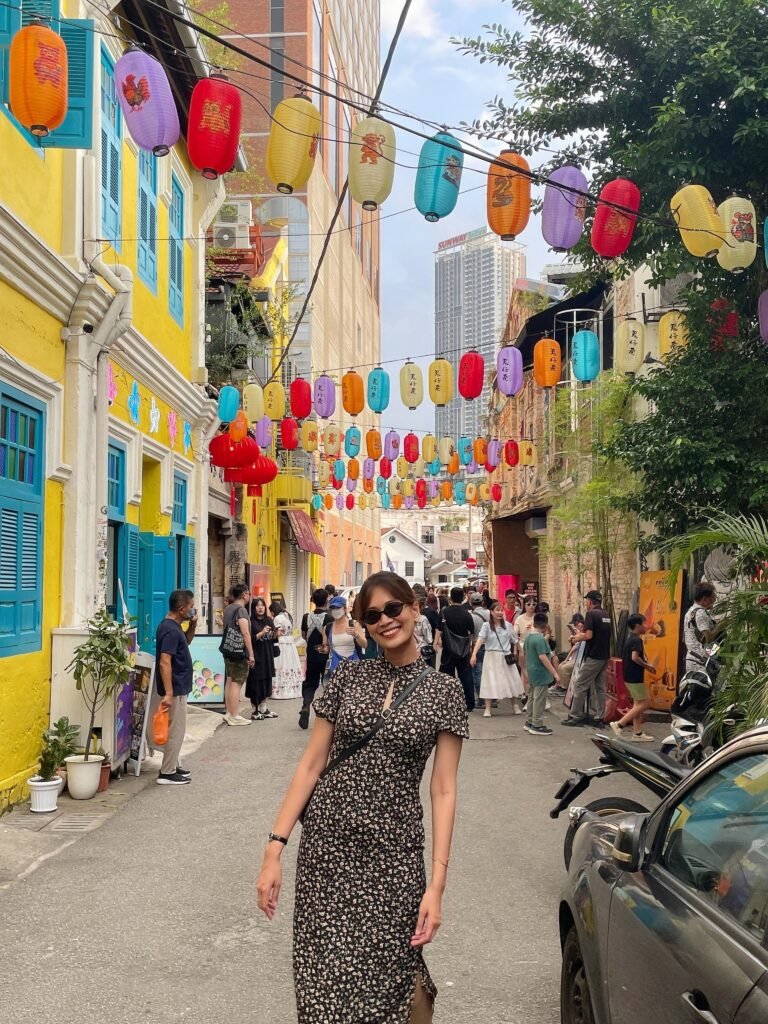
✅ Travelling Made Me Appreciate Home Differently
I think this is the biggest thing travelling has taught me.
Malaysia is convenient.
Not perfect. Not always efficient. Not without problems. Just convenient. It is normal to us because we grew up with it.
Travelling has given me a different perspective. After experiencing how things work in other countries, I started noticing how much I rely on the little things here.
I miss the food.
I miss being able to find a meal without planning my entire day around it.
I miss being able to communicate easily.
I miss knowing how things work.
Most of all, I miss the ease of everyday life. Affordable medication, groceries that don’t cost a fortune, convenience stores around the corner, late-night food and all the little things I barely notice until they are no longer there.
The funny thing is, I still love travelling. I still want to see more of the world. I still get excited about landing somewhere I’ve never been, figuring things out as I go and seeing what the next few days bring.
I just find myself appreciating home a little more when I come back.
Maybe that’s what travelling has given me besides the memories, photos and stories. It has made me notice the ordinary parts of home that I used to overlook.
You don’t notice it when you have it. You notice it when it disappears.
Sometimes, you have to leave home to realise how much you appreciate it.
With Love,
Auri Duham 🌻


