
If you’re a blogger, you probably know that not everyone who reads your blog will agree with everything you write.
That’s part of putting your life and opinions online. You’ll get kind messages, helpful feedback and thoughtful disagreements. Then there are the comments that make you wonder, “Why did this person even feel the need to write that?”
I’ve had my fair share of those too.
One thing I learned quite early from blogging is that your blog is your space. You have control over what appears in your comment section, and you don’t have to publish every comment simply because someone took the time to write it.
You can approve, edit, delete or mark comments as spam. You can set boundaries around the kind of conversations you want to have on your blog.
So, if you’re a new WordPress blogger and you’re still figuring out how to manage your comment section, let me share some of the things I’ve learned along the way.
✅ Why Is Comment Moderation Important?
The more you blog, the more you realise that your comment section can become a mix of very different opinions and personalities.
Some comments are constructive. A reader may disagree with you but still take the time to explain their point respectfully. I actually think those conversations can be useful. Not everyone has to agree with everything we write.
Then there are comments that serve no purpose other than to insult, provoke or make someone feel bad.
Those are the comments you don’t need to entertain.
I’ve had my own experiences with this too. Someone once left a very judgmental comment on my blog about my personal life, and I remember thinking, well, I guess this is a blog topic now. Haha.
It reminded me of something important about having a public blog: you can be open without giving everyone unlimited access to you.
You can listen to feedback without accepting disrespect. You can disagree with someone without getting into an argument. You can remove a comment that doesn’t belong in your space.
So, if you’re dealing with unwanted comments on your WordPress blog, here are some practical ways to take back control.

✅ Manually Delete Or Mark Comments As Spam
If someone leaves a comment you don’t want published, you can manage it directly from your WordPress dashboard.
Go to WordPress Admin > Comments.
From there, you can:
- Approve a comment
- Edit a comment
- Delete a comment
- Mark a comment as spam
If someone repeatedly leaves unwanted comments, marking them as spam can help WordPress identify similar activity in the future.
You don’t have to read every unpleasant comment or respond to every person who disagrees with you.
Sometimes, deleting the comment and moving on is the best use of your time.
✅ Require Commenters to Register
If you’re dealing with a lot of anonymous or unwanted comments, you can make commenting more restrictive by requiring users to register before they can comment.
Go to:
WordPress Admin > Settings > Discussion
Then enable:
“Users must be registered and logged in to comment.”
This isn’t necessarily the best option if you’re trying to encourage as many readers as possible to leave comments, but it gives you another layer of control if your comment section becomes difficult to manage.
You can always change the setting later.

✅ Block Specific Commenters
WordPress gives you several ways to filter unwanted comments.
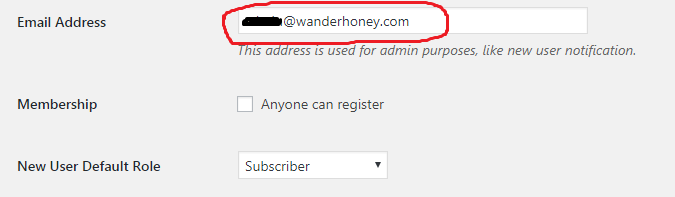
Depending on your WordPress setup, comments can contain information such as the commenter’s name, email address, website URL and IP address.
You can use some of this information under:
Settings > Discussion
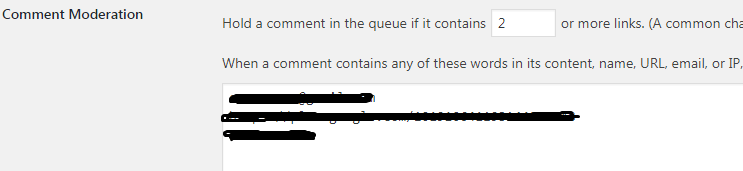
You’ll find options for Comment Moderation and Comment Disallowed Keywords.
Comments matching items in the moderation list can be held for approval, while comments matching disallowed terms can be sent to the trash.
You can add specific words, phrases, names or other details that you don’t want appearing in your comment section.
For example, if someone repeatedly uses the same abusive phrase, you can add that phrase to your moderation or disallowed list.
This can be particularly useful when you’re dealing with repeated comments from the same person.

✅ Block An IP Address Through Your Web Host
If someone is repeatedly causing problems, you may have another option through your web hosting account.
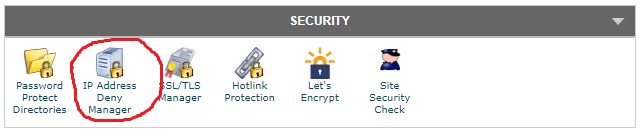
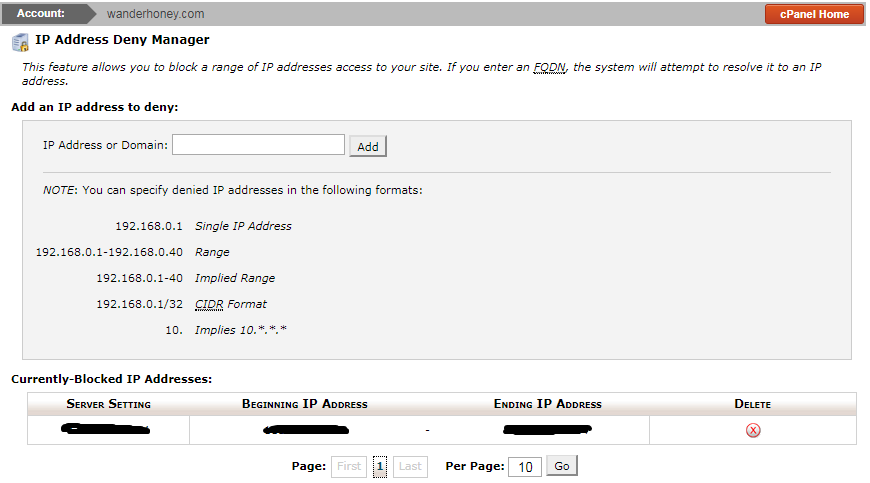
Some hosting providers using cPanel offer an IP Address Deny Manager, which can be used to block an IP address from accessing your website.
The exact location and availability of this feature depends on your hosting provider and setup.
Keep in mind that IP blocking isn’t foolproof. IP addresses can change, and multiple people can potentially share the same address.
So I wouldn’t treat this as your first option. It is more useful when you’re dealing with persistent abuse and need another layer of protection.
💡 If you’re curious about an IP address, you can look it up using an online IP lookup service. Just remember that the information you find isn’t necessarily enough to identify the person behind the account.

✅ Block Them On Email And Social Media
Sometimes the problem doesn’t stop at your blog.
If someone is repeatedly contacting you through email or social media and you no longer want to engage with them, you can use the blocking and filtering tools available on those platforms.
For example, Gmail allows you to block an email address, while social media platforms generally allow you to block, restrict or mute accounts.
You don’t have to keep giving someone access to you simply because they found another way to contact you.
If blocking someone gives you peace of mind, use it.
✅ You Don’t Have To Respond To Everything
This is probably the biggest lesson I’ve learned from having a blog for years.
Not every comment deserves a response.
You can receive a thoughtful disagreement and have a conversation about it. You can learn something from constructive criticism. You can even change your mind when someone makes a good point.
At the same time, you don’t have to defend every personal decision you make on your own blog.
If someone is insulting you, provoking you or deliberately trying to start an argument, responding may only keep the conversation going.
Sometimes, silence is enough.
Delete the comment if you need to. Mark it as spam. Block the person. Move on with your day.
Your time is worth more than an argument with someone who has already decided they don’t want to have a genuine conversation.
✅ Final Thoughts
Some people will love what you write. Some will disagree. Others may misunderstand you. That’s part of putting your work online.
You don’t need everyone to agree with you.
What you do need is the freedom to decide what kind of space you want your blog to be.
Your blog is your space.
You can accept constructive criticism without accepting disrespect. You can have a different opinion without getting pulled into an argument, and you can remove comments that cross a line without feeling guilty about it.
I’ve learned that protecting your space doesn’t mean shutting yourself off from criticism. It means knowing the difference between someone who is genuinely engaging with what you’ve written and someone who simply wants a reaction.
So moderate your comments, protect your boundaries and don’t let a handful of unpleasant people take away the reason you started blogging in the first place.
You became a blogger to share your voice.
Don’t let someone else’s comment make you forget that.
Love,
Hani Duham🌻


