
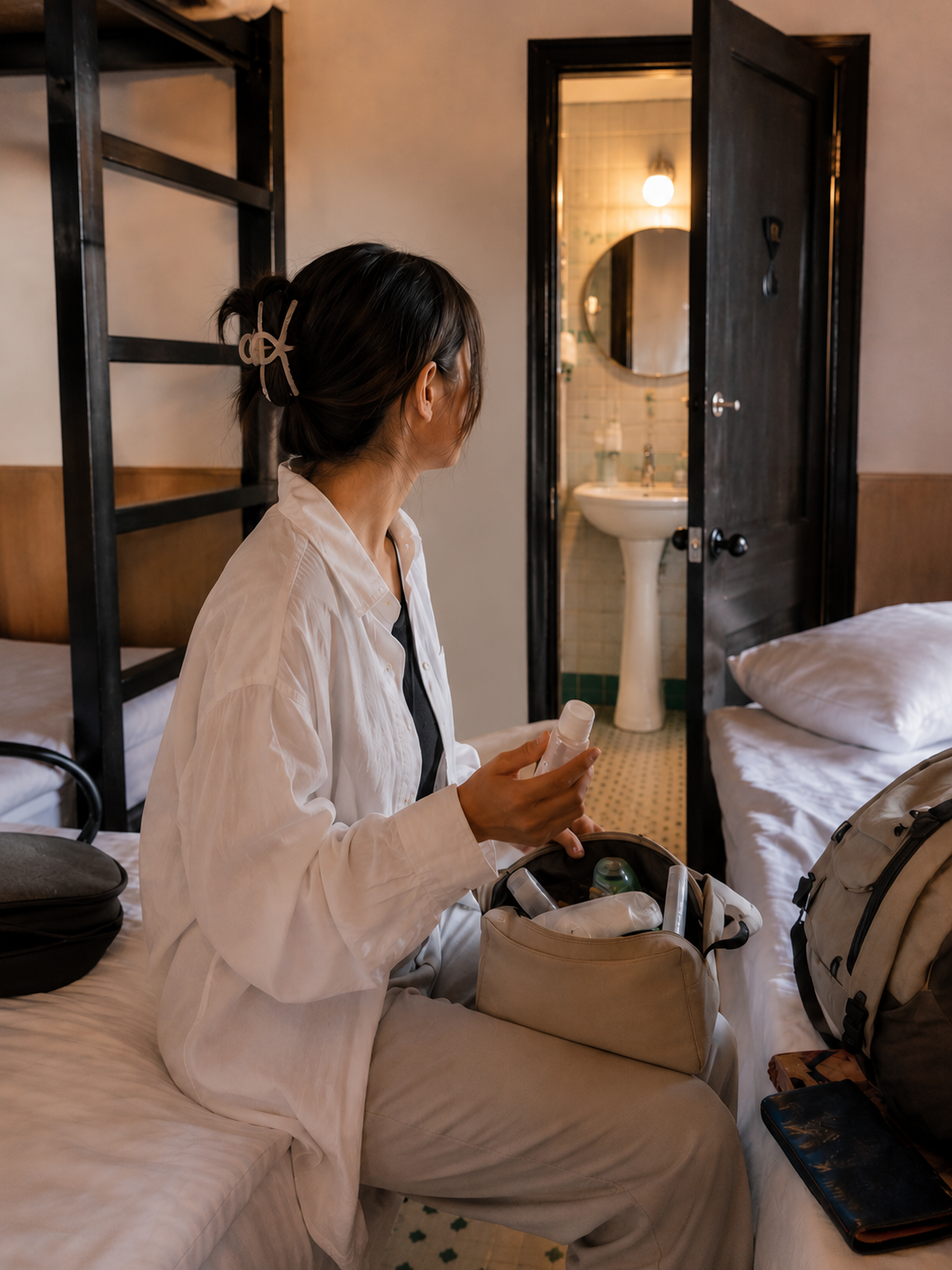
My body is quite sensitive, and it reacts quickly to changes in weather. My skin can become dry, my scalp gets itchy, my lips start to crack, and I can be more prone to irritation. These might sound like small issues to some people, but when travelling, they influence how I feel day to day, and it can feel surprisingly overwhelming.
Over time, I’ve realized that these reactions are reminders that my body responds strongly to its environment and that being in places with different comfort, hygiene standards, and familiarity than home makes taking care of myself just as important as the trip itself.
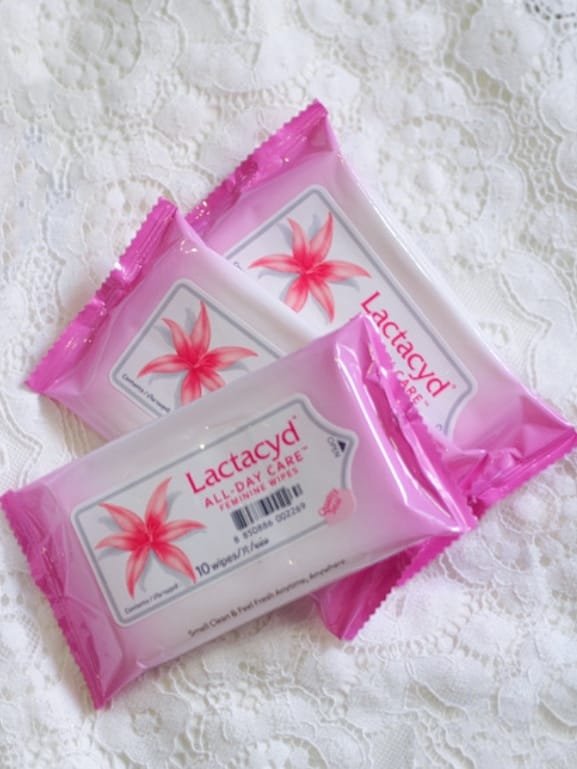
1. Always Bring Your Own Feminine Wet Wipes
One of the most valuable hygiene tips I’ve learned from my gynecologist is that cleanliness in public restrooms can be unpredictable.
That’s why I always carry feminine wet wipes with me. They feel gentler, cleaner, and more comfortable than dry toilet paper, especially for sensitive skin.
I’ve also become more mindful about using toilet paper in public restrooms because it may be exposed to moisture and surrounding surfaces, which can increase the risk of bacterial exposure. Since this isn’t always visible, I prefer to be extra cautious.
I also make it a habit to carry a small bottle of water, because not every country provides a bidet, and it helps me maintain comfort during travel.
👉 Important note: Always wipe from front to back to reduce the risk of bacterial spread.
2. Use a Gentle Feminine Wash (When Needed)
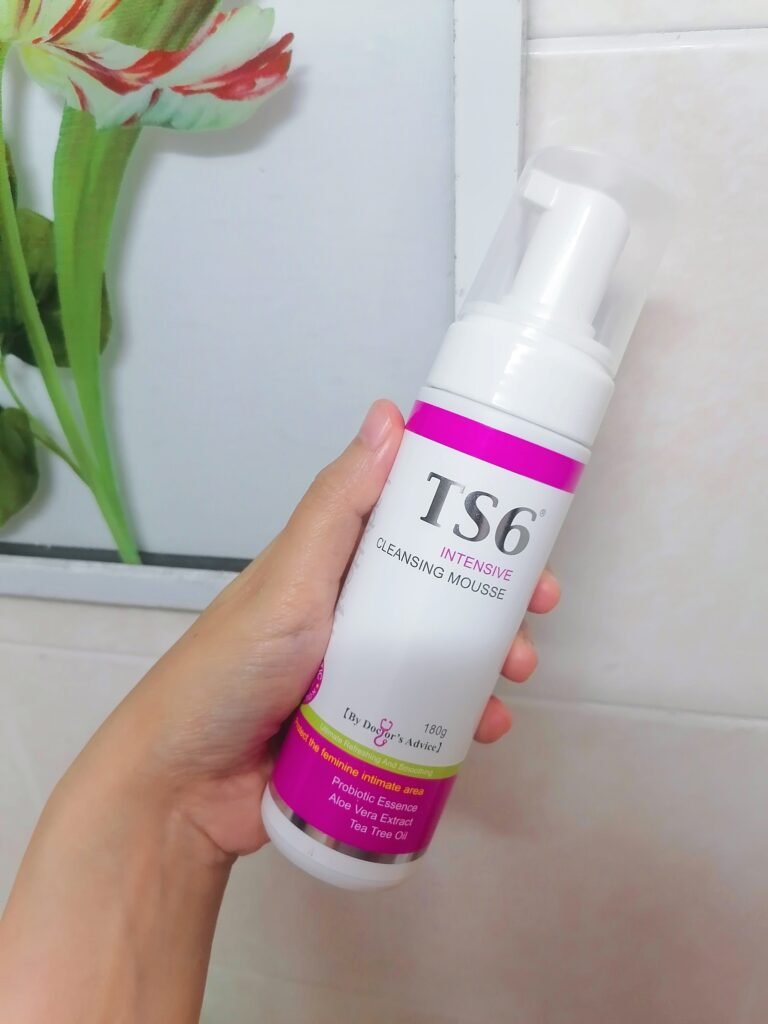
I personally use a mild feminine wash recommended by my gynaecologist, which is TS6 Cleansing Mousse. It supports a healthy pH balance and contains probiotics. My doctor also taught me to dilute it in a small travel bottle with water so I can carry it everywhere with me more conveniently.
The idea is not to “over-clean” the intimate area, because the body is naturally self-cleaning. Instead, it is about maintaining balance especially when travelling, sweating more, or using different water and toilet facilities. I find it really helpful in staying comfortable and fresh.
⚠️ I avoid harsh soaps or heavily fragranced products, as they can disrupt the natural balance and may cause irritation.
3. Include Probiotics in Your Routine
Probiotics may help support a healthy balance of bacteria in the body, especially in the gut. Since gut health and vaginal health are closely connected, this balance may also support overall intimate health.
While probiotics are not a guaranteed way to prevent infections, some studies suggest they may support general microbiome health when combined with good hygiene and healthy habits.
One of the easiest ways I get probiotics is through food, especially:
- Yogurt
- Kefir
- Fermented foods
4. Try Natural Support Foods Like Cranberry Juice and Pomegranate Juice
When I was in Almaty, I stayed in a hostel with shared bathrooms. Within a couple of days, I began noticing infection symptoms, which was very uncomfortable.
Besides continuing to eat yogurt, I started looking for natural options to support my body.
One of the first things I usually go for is pure cranberry juice, which is commonly available in many pharmacies or health stores. Cranberries contain compounds called proanthocyanidins, which may help prevent certain bacteria from sticking to the urinary tract lining.
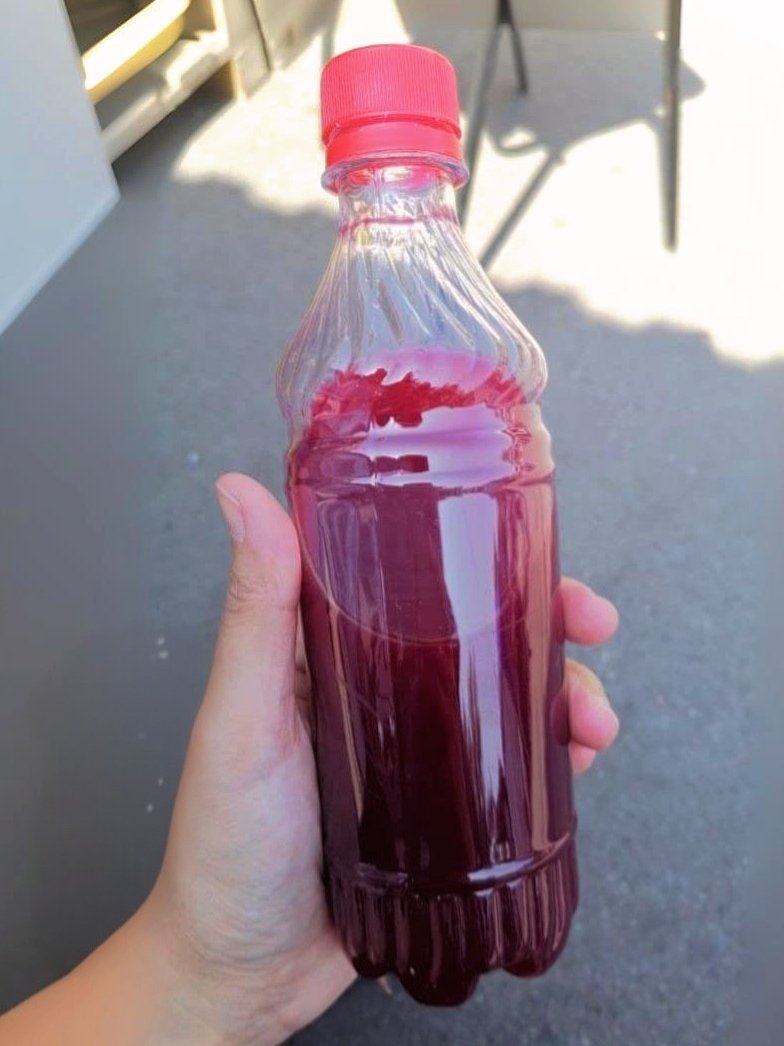
In Almaty, I turned to pomegranate juice instead. I found fresh pomegranate juice at a local market, and they pressed it right in front of me without any added sugar, which I much preferred. Pomegranate is rich in antioxidants, which may help reduce inflammation and support overall immune health. Some studies also suggest it may help reduce the ability of certain bacteria to adhere to the urinary tract walls, which is linked to infections like UTIs.
💡 These are not cures or medical treatments, but I personally find cranberry and pomegranate juice helpful as supportive drinks when I feel discomfort.
5. Probiotic Supplements Can Help (Not Just for Feminine Health)
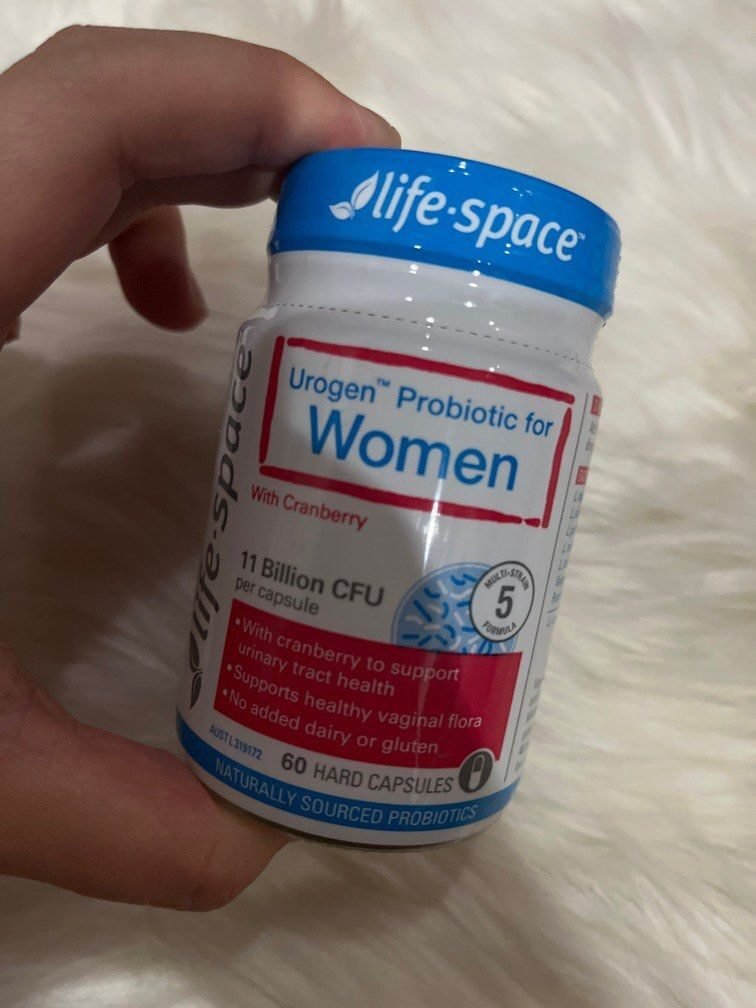
I also carry probiotic supplements when I travel, especially as a backup when I’m not able to get enough probiotics from food.
They are part of my routine and may support my body in a few ways:
- Maintain gut balance, especially when my diet changes during travel
- Support overall immune health
- Help reduce digestive discomfort like bloating, stomach aches, or irregular digestion
Since gut health is closely linked to overall body balance, including feminine health, I find probiotics helpful in supporting my system from the inside, especially when I’m in a new environment.
💡 Probiotic supplements are supportive, but they are not a replacement for proper hygiene or medical treatment if needed.
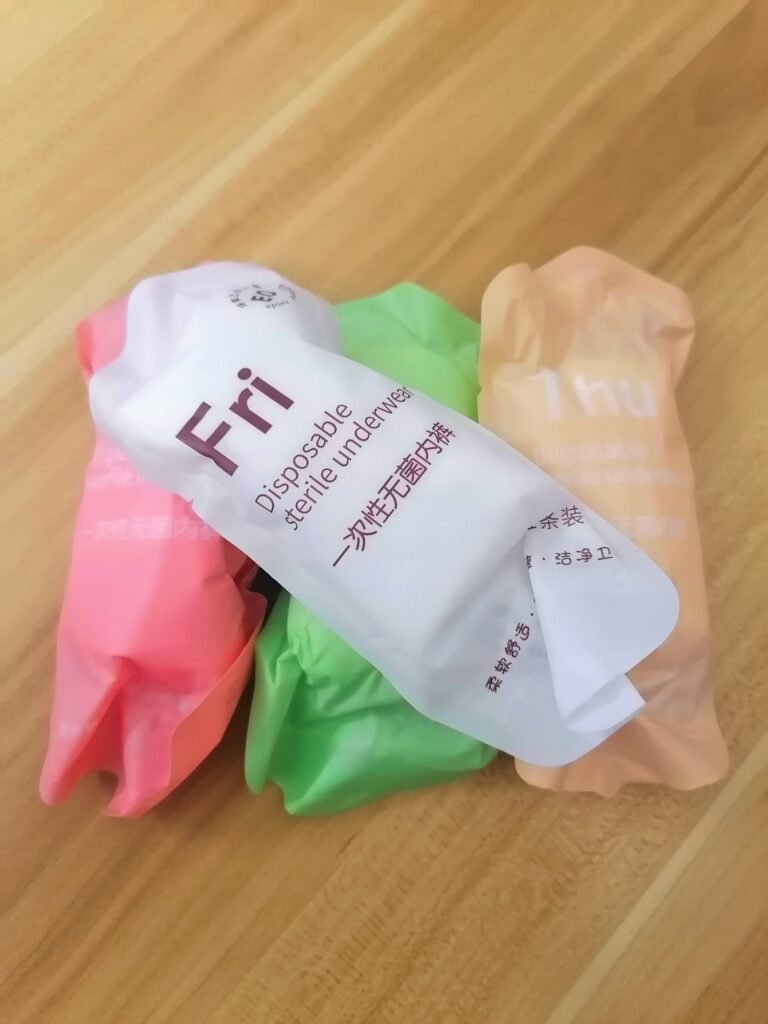
6. Consider Disposable Underwear
For long travel days or situations where doing laundry isn’t convenient, I find disposable underwear very helpful.
It’s a simple option that gives me peace of mind, especially when I’m in places with limited access to clean water or proper washing facilities.
Some of the benefits include:
- No need to wash or worry about drying
- More hygienic in situations where cleanliness is uncertain
- Convenient for emergencies, long flights, or busy travel days
It’s simply one of the travel essentials I keep on hand for convenience and comfort.
7. Be Careful with Panty Liners
Panty liners can be useful, especially when travelling, but wearing them for too long may trap heat and moisture. This creates a warm, damp environment that can lead to discomfort, irritation, and, in some cases, increase the risk of imbalance.
If I do use them, I make sure to be more mindful:
- I change them regularly, every few hours if needed
- I avoid wearing them all day unless it’s really necessary
- I choose breathable, unscented options to reduce irritation
It’s generally about keeping the body as dry and comfortable as possible, since airflow plays an important role in maintaining balance.
💡 I personally only use them at the end of my period when I’m travelling. However, I try to avoid relying on them too much, since I’m often out all day and may not always have easy access to private or clean restrooms for changing.
8. Change Pads or Tampons Regularly
This is something I’m very mindful of when travelling, because it plays a big role in both hygiene and infection prevention.
As a general guideline, I follow:
- Pads:
4 hours = very hygienic and safe
4–6 hours = standard medical guidance - Tampons:
4 hours = very safe (low risk)
Up to 8 hours = ⚠️ maximum limit (not ideal to push regularly)
Even if a product claims longer wear, I avoid extending usage for too long. I always prioritize comfort and cleanliness over convenience.
Final Thoughts
Travelling is an amazing experience, but it can also challenge our bodies in ways we don’t always expect.
For me, learning how my body reacts has been a journey. Sometimes uncomfortable, sometimes frustrating, but also very educational. Over time, I’ve realized that taking care of my feminine hygiene isn’t just about comfort; it’s also about prevention.
Simple habits can make a big difference, but more importantly, learning to listen to my body has made all the difference. If something feels off… like burning, unusual discharge, a strong odor, or discomfort when urinating, it’s a sign that your body needs attention.
When that happens, I don’t ignore it. I focus on:
- Drinking more water to help flush out bacteria
- Supporting my body with probiotics and proper nutrition
- Keeping the area clean and dry
But most importantly, if symptoms persist or become more uncomfortable, it’s always best to seek proper medical care, even while travelling. Early treatment can prevent more serious issues and help you recover faster.
The most important thing I’ve learned is this:
There is no “one perfect rule” for everybody, only what works safely for you.
Taking care of feminine hygiene is not something to take lightly. It’s self-care, it’s health, and it’s a form of self-respect. So yes, take care of it, and give it the attention it deserves.
Disclaimer
This post is based on personal experience and should not replace professional medical advice.
—Auri Duham ❤


