
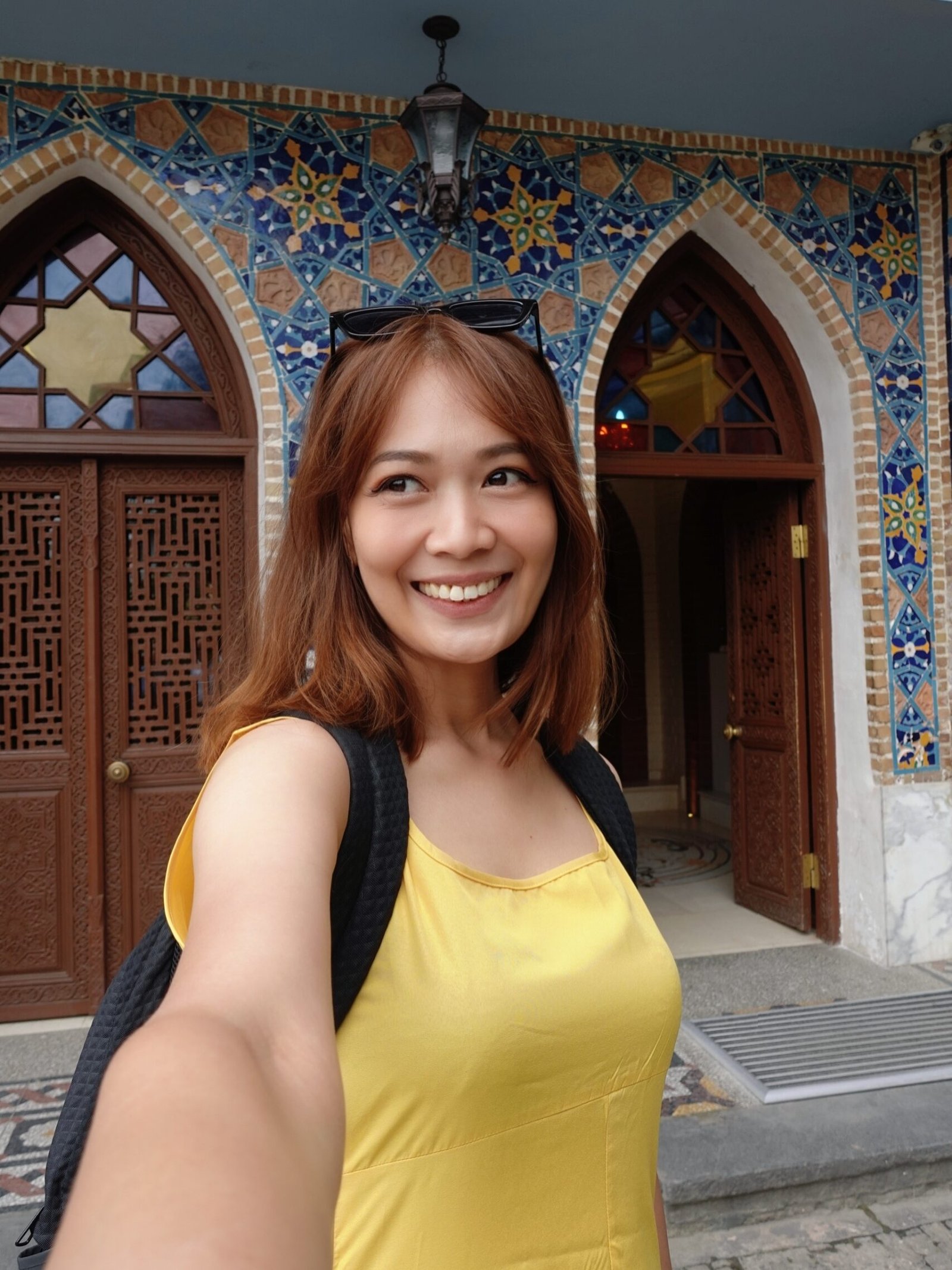
I arrived in Tbilisi after a red-eye flight, so I was far too exhausted to do much on my first day. After checking into my hotel in Old Tbilisi, I only went out to grab some food before heading back for an early night.
The next day, I started exploring the city on foot.
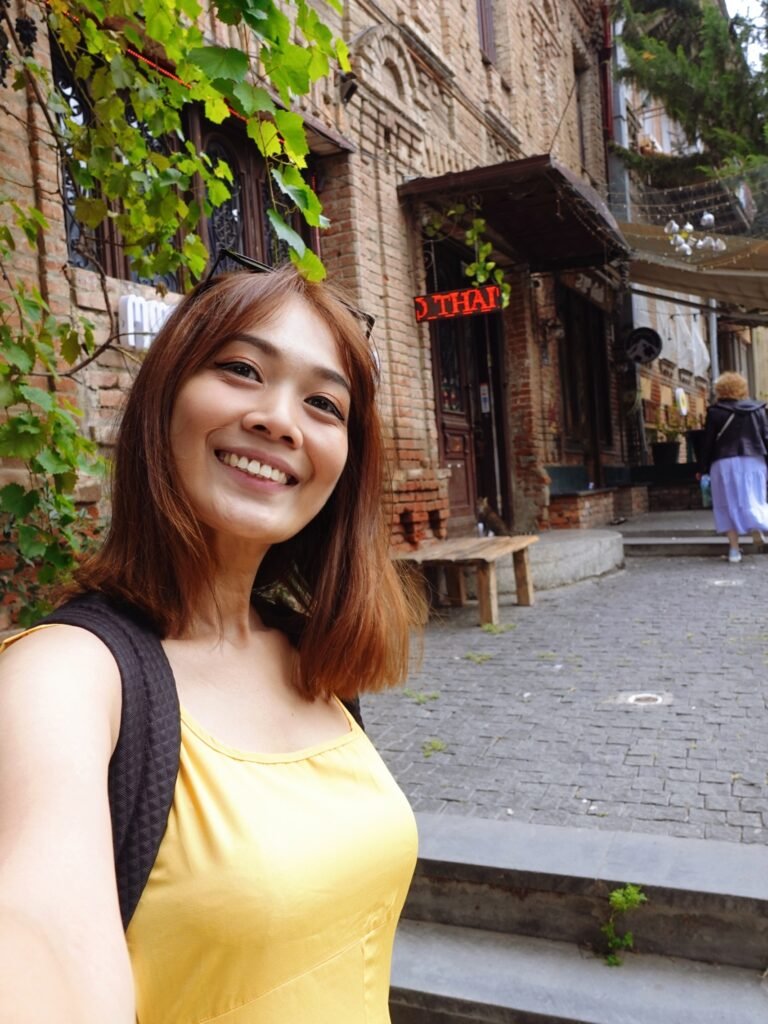
I had chosen to stay in Old Tbilisi at the beginning of my trip because I wanted to experience the historic side of the city. Towards the end of my trip, I moved to the city centre, giving me a chance to explore another side of Tbilisi before leaving Georgia.
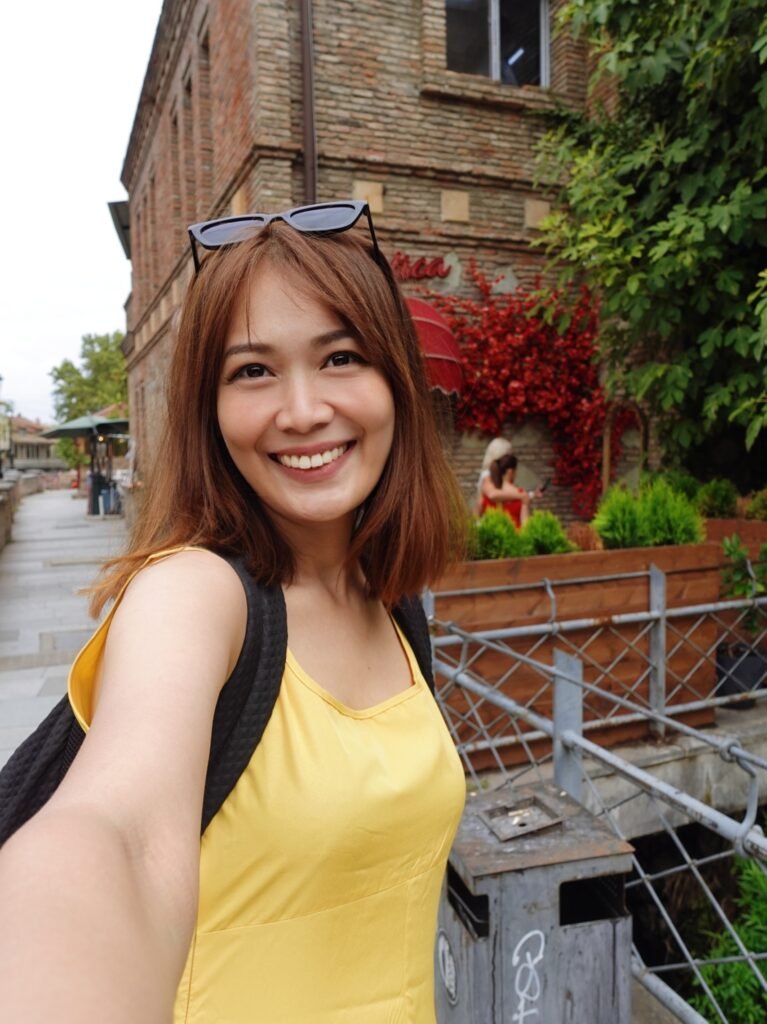
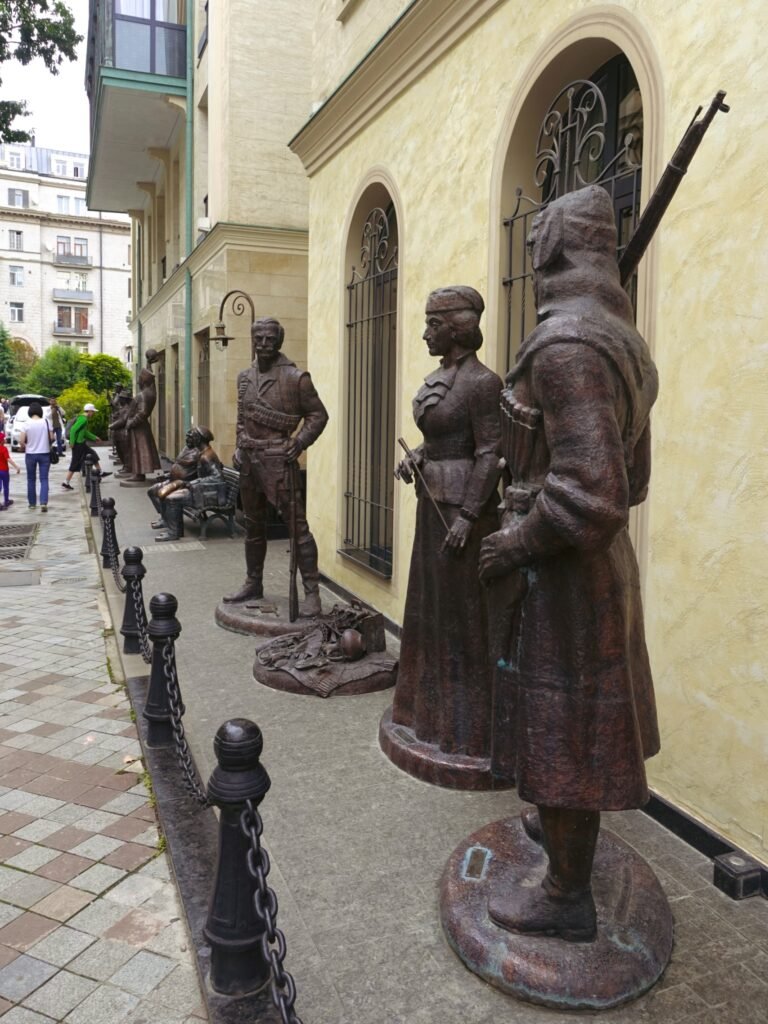
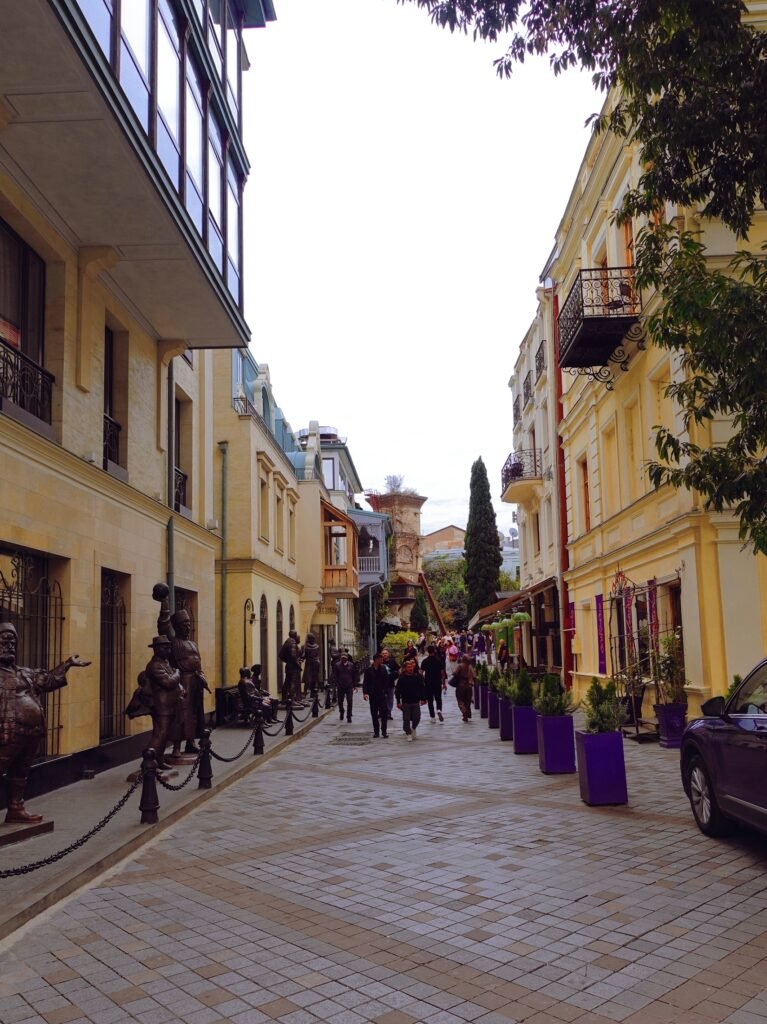
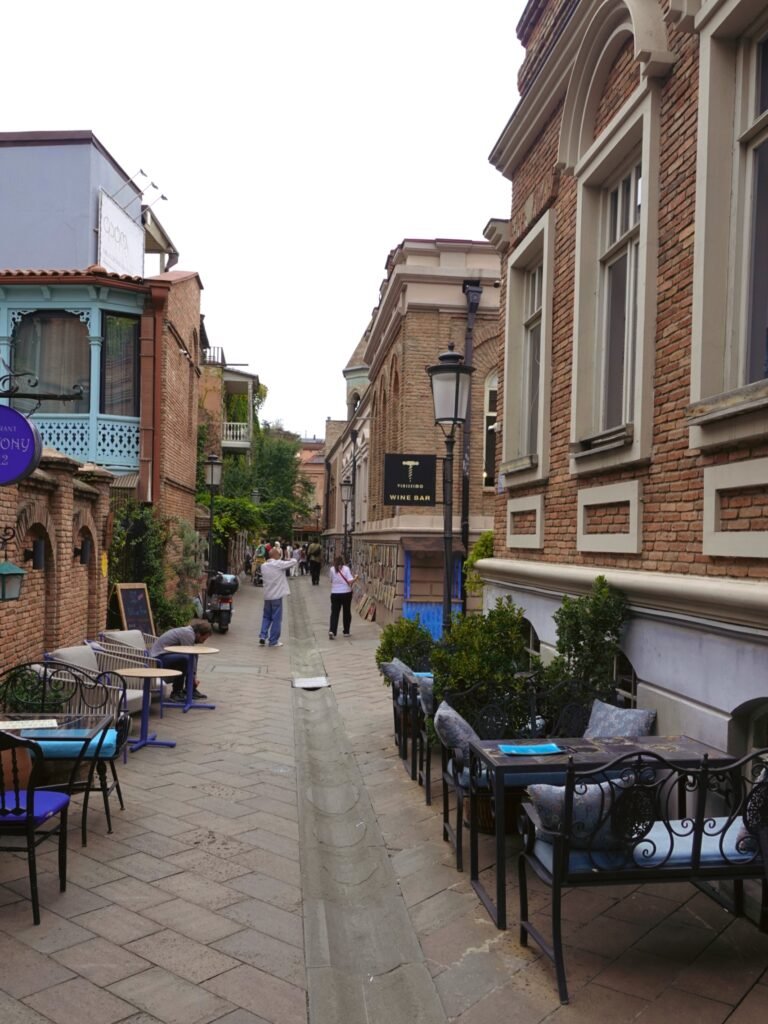
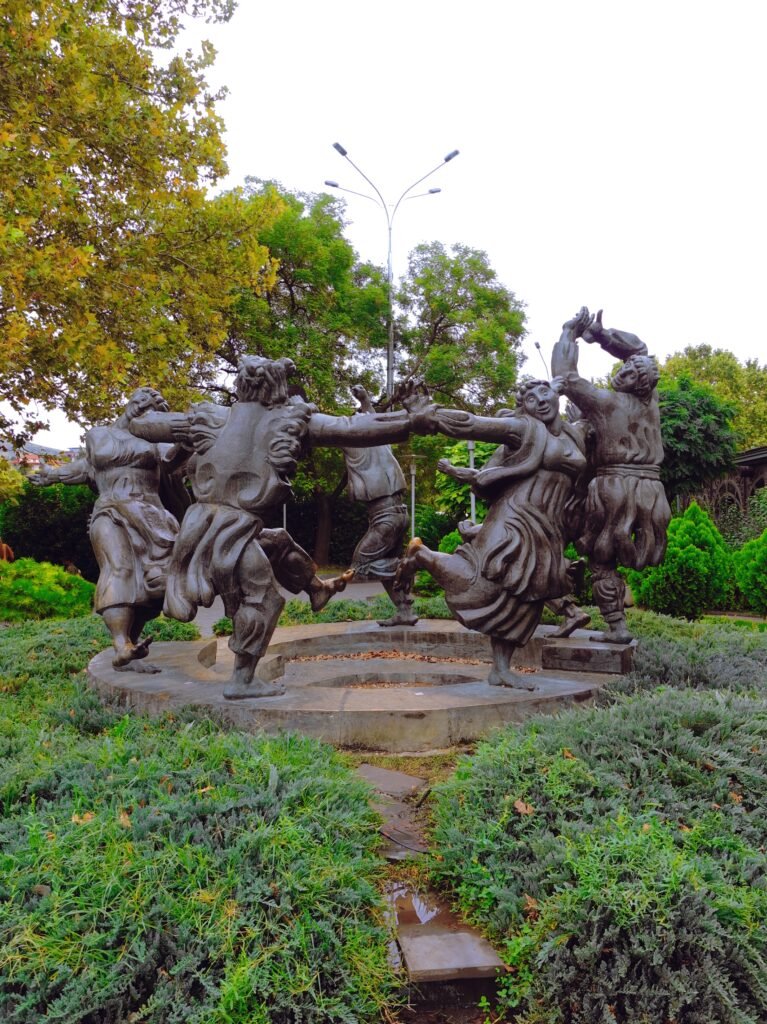
I didn’t book a paid tour or plan a strict itinerary. I simply walked and let the city take me from one place to another, stopping whenever something caught my attention. Many of the tourist spots were conveniently connected and easy to reach on foot, so I could take my time and explore without worrying about following a schedule.
Most importantly, I felt comfortable and safe walking around on my own. I was approached by a couple of local men who invited me for dinner, but I never felt threatened by the interactions. I could walk through smaller alleys and quieter areas without constantly feeling on edge, which made exploring the city alone much more enjoyable.
So if you are planning to explore Tbilisi yourself, here are some of the places I came across during my walks.
📍 Bridge of Peace
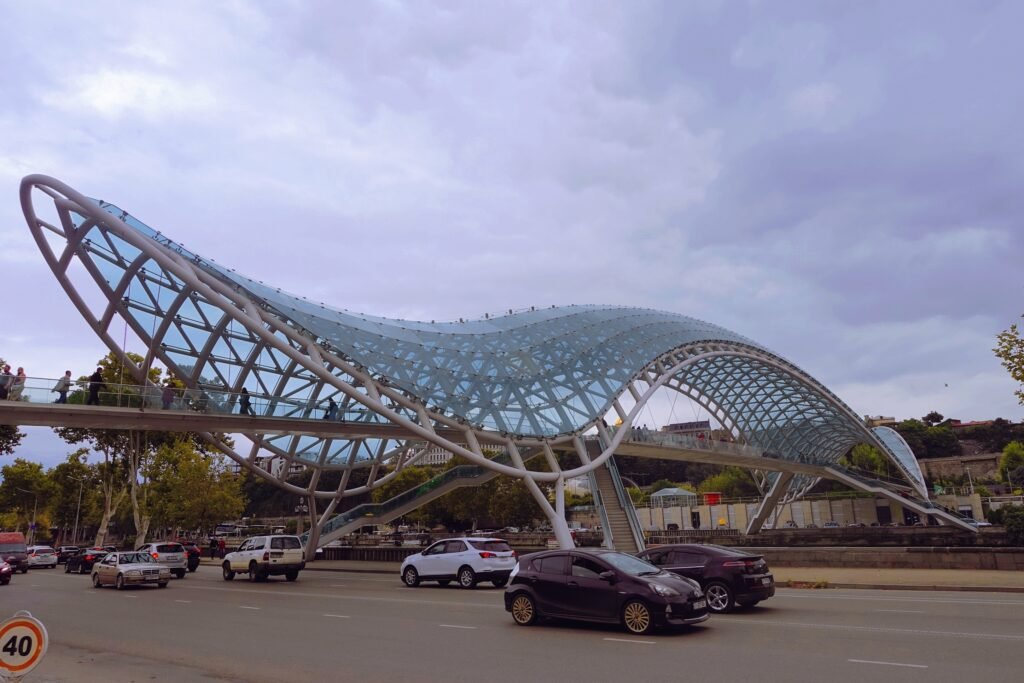
The bridge has a very modern design, which makes it an interesting contrast to the older buildings and historic streets of Old Tbilisi. Its curved glass-and-steel structure stretches across the Kura River, connecting the Old Town with Rike Park.
It is also hard to miss.
When I first saw it, I thought it looked almost out of place among the historic surroundings, but that contrast is part of what makes the area interesting. Tbilisi has this unusual mix of old and new architecture, and the Bridge of Peace is a good example of it.
The bridge is pedestrian-only, so it is an easy place to walk across while exploring the city.
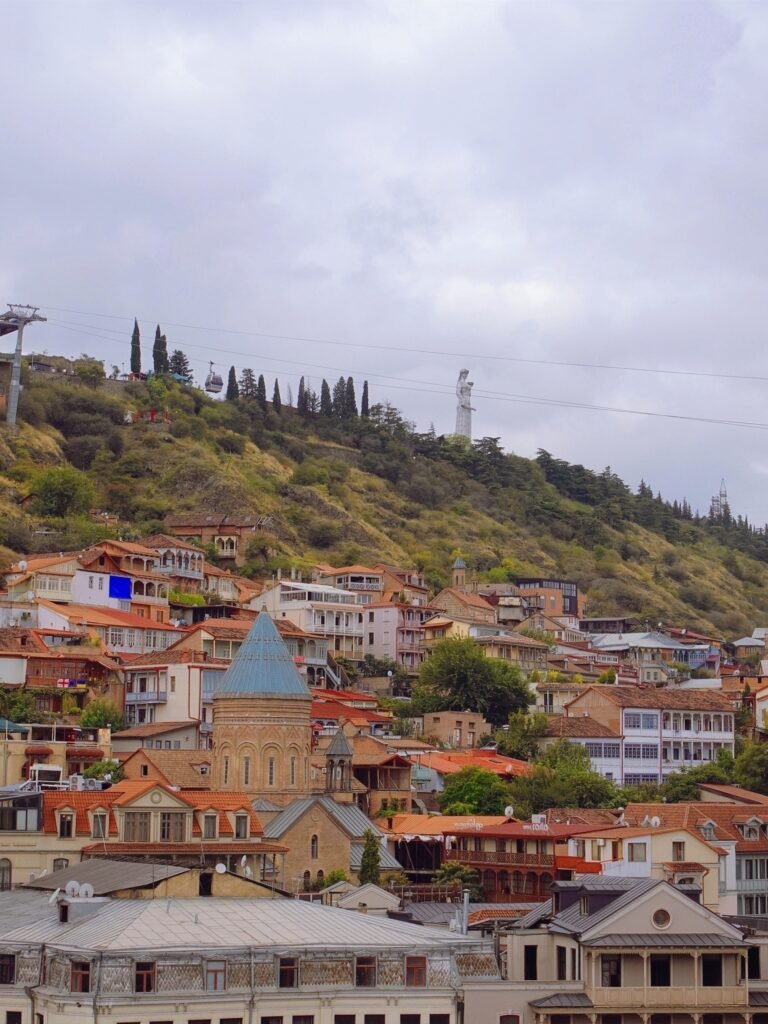
From the bridge, you can also see Kartlis Deda, better known as the Mother of Georgia, standing high on the hill above Tbilisi, with Narikala Fortress nearby. The large aluminium statue depicts a woman holding a sword in one hand and a bowl of wine in the other, symbolising Georgia’s welcoming nature towards friends and its readiness to defend itself.
My tip: Visit the Bridge of Peace during the day and continue towards Rike Park afterwards. If you have time, the bridge is also known for its illuminated appearance after dark. You can also walk uphill towards the Mother of Georgia and Narikala Fortress for a different view of Tbilisi.

📍 Rike Park
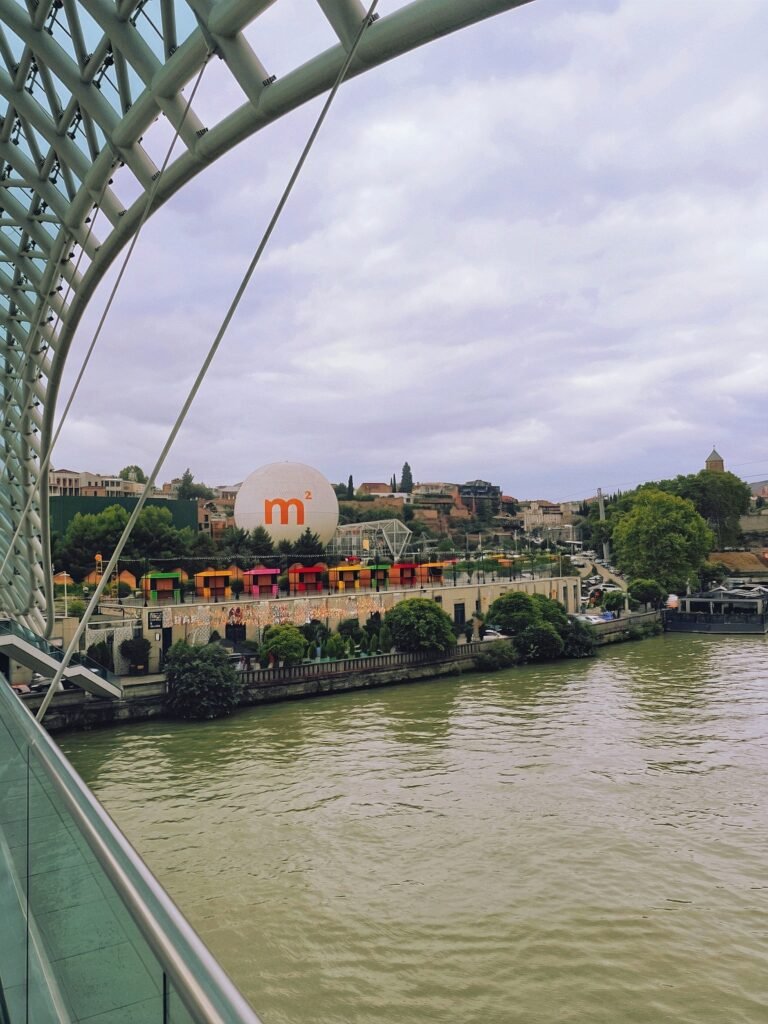
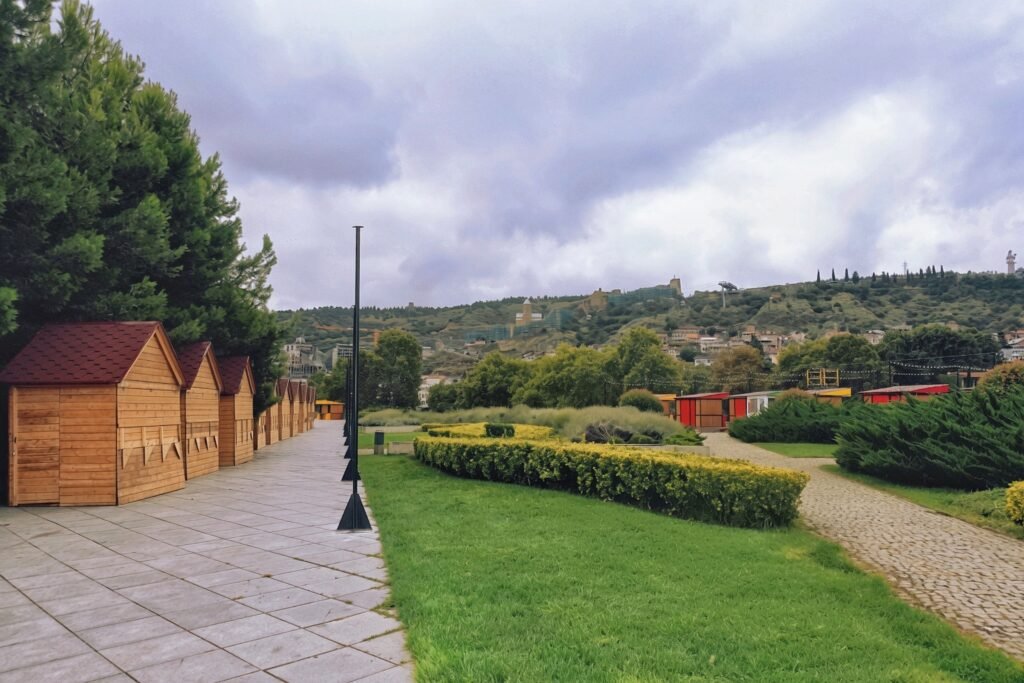
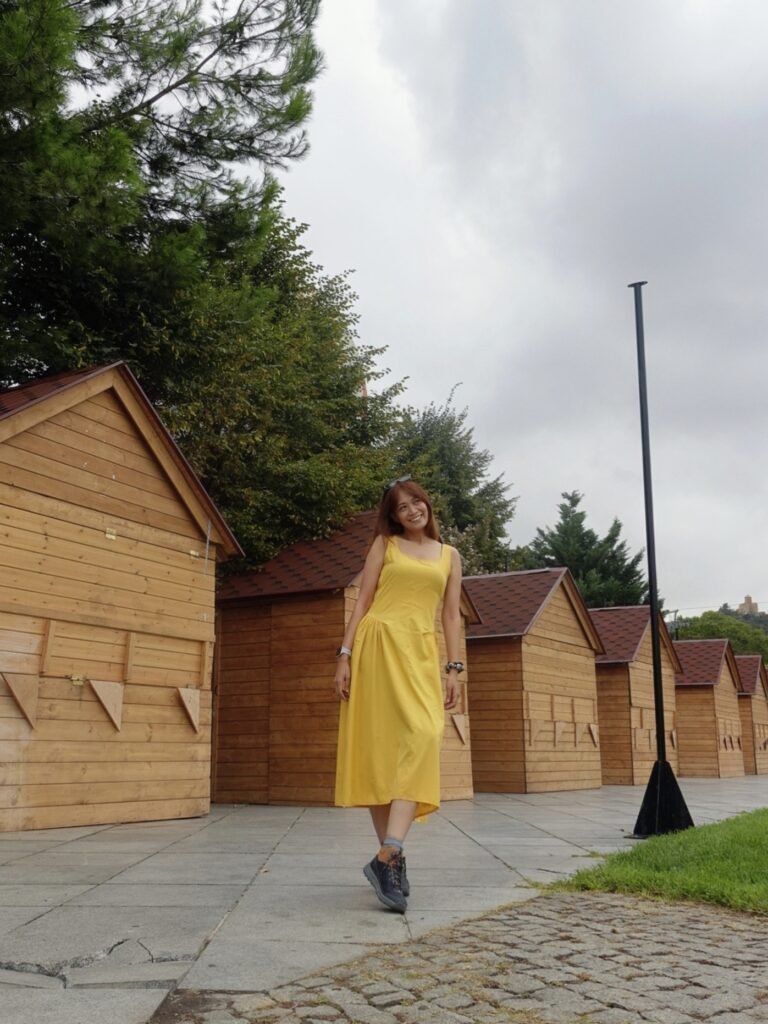
Right beside the Bridge of Peace is Rike Park, a green public space along the Kura River.
The park has walking paths, landscaped areas and plenty of open space to sit and enjoy the surroundings. From here, you can also get nice views of the river and the hills around Tbilisi.
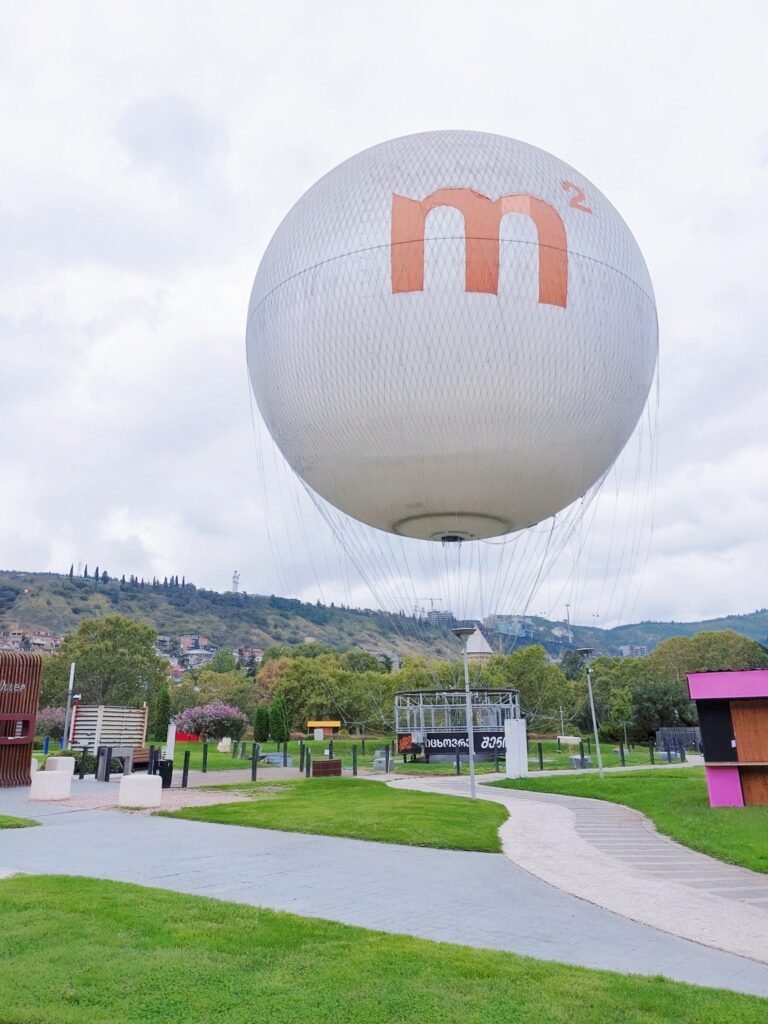
Rike Park is also where you can find the Tbilisi Aerial Cable Car, which takes visitors up towards Narikala Fortress. So if you are planning to visit Narikala, this is a convenient place to start.
My tip: If you are exploring Tbilisi on foot, stop here for a little while, especially on a hot day. Grab a drink and enjoy the view before continuing your walk.
📍 The Clock Tower
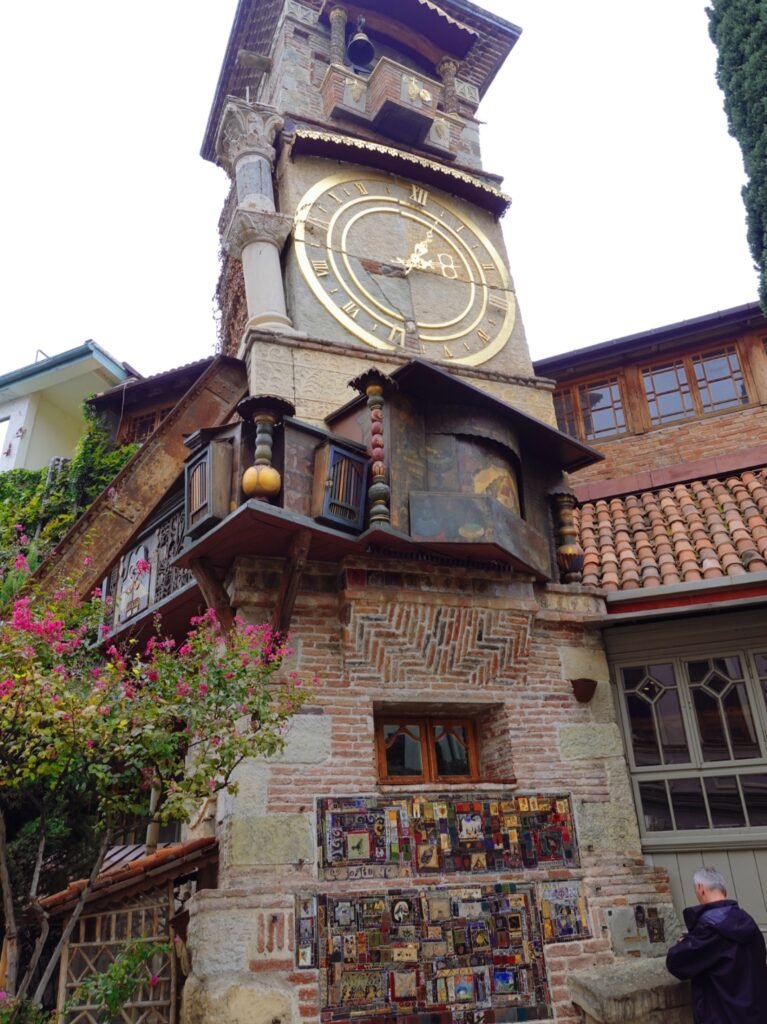
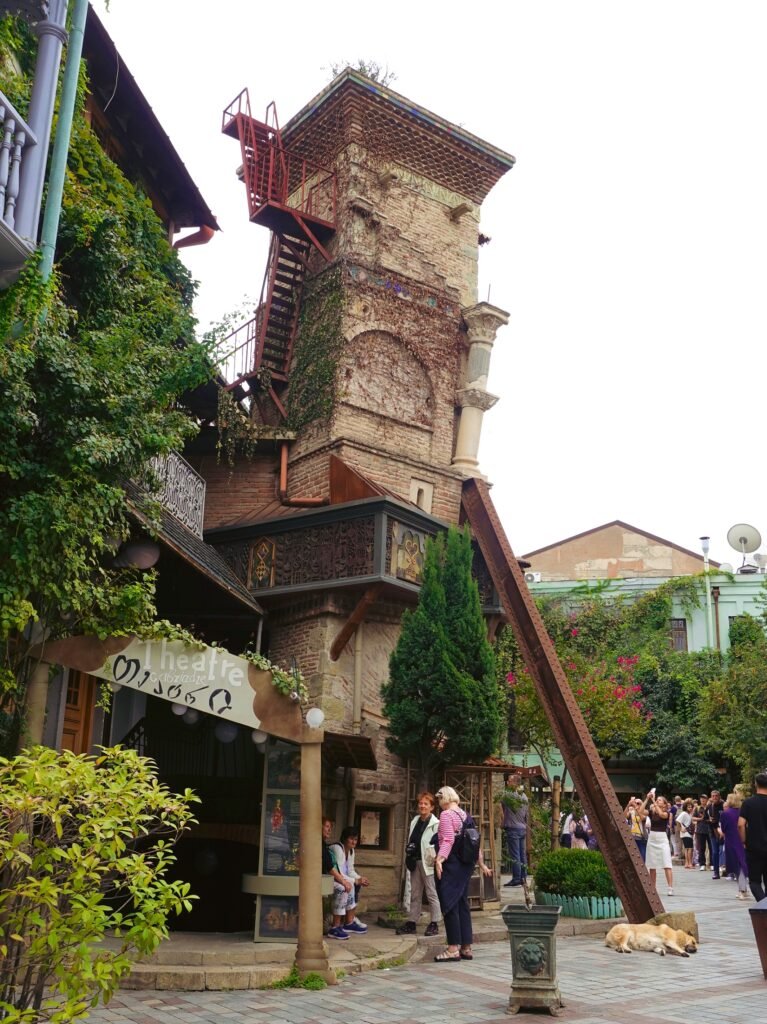
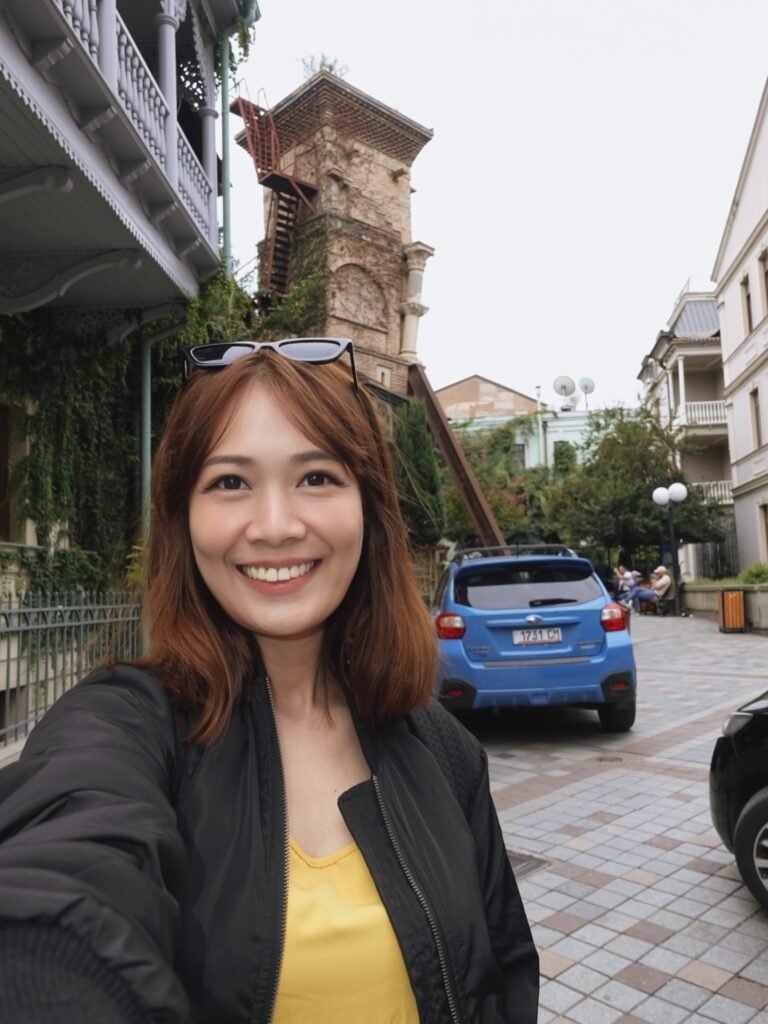
Located in the heart of Old Tbilisi, the tower looks almost like something from a fairytale. It is slightly crooked, covered with colourful decorative details and has a large clock near the top.
It doesn’t look like the kind of structure you would expect to find in the middle of a historic city, which is probably why it catches so much attention.
The tower is part of the Gabriadze Theatre, founded by Georgian puppeteer, writer, director and artist Rezo Gabriadze. The theatre is known for its marionette performances, and the whimsical design of the tower fits perfectly with the theatre’s artistic style.
One thing I would recommend is checking the time before you leave because the Clock Tower has a little show that people actually wait around to see.
- Wait For The Angel
Every hour, an angel comes out from a small door on the tower and rings the bell. It is a short mechanical performance, but it is one of those little things that makes the Clock Tower more memorable.
If you want to see it, don’t arrive exactly on the hour and expect it to start immediately. I would get there a few minutes early and find a good spot where you can see the tower clearly.
You will probably notice other people waiting around too. Once the little door opens and the angel appears, you’ll know exactly why they are there.
The hourly angel is free to watch from the street, so you don’t need to buy a theatre ticket just to see it.
The tower also has a small puppet performance called “The Circle of Life”, which is presented twice a day. The usual scheduled times are 12 PM and 7 PM, although I would check the current schedule before planning your day around it.
📍 Sioni Cathedral
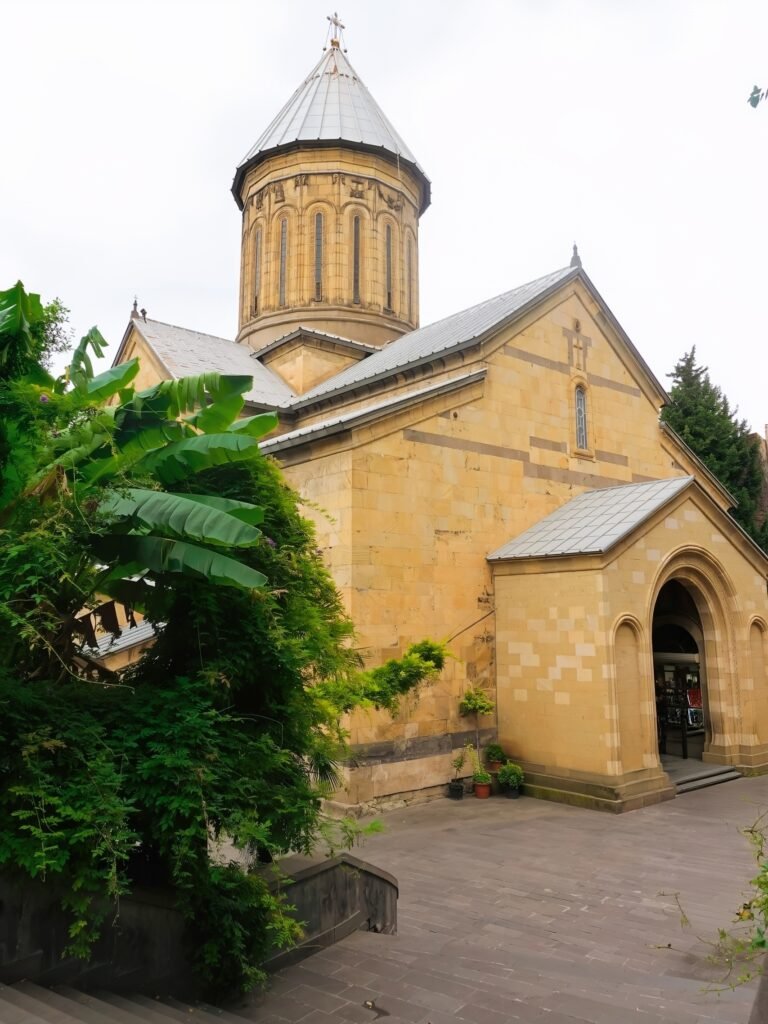
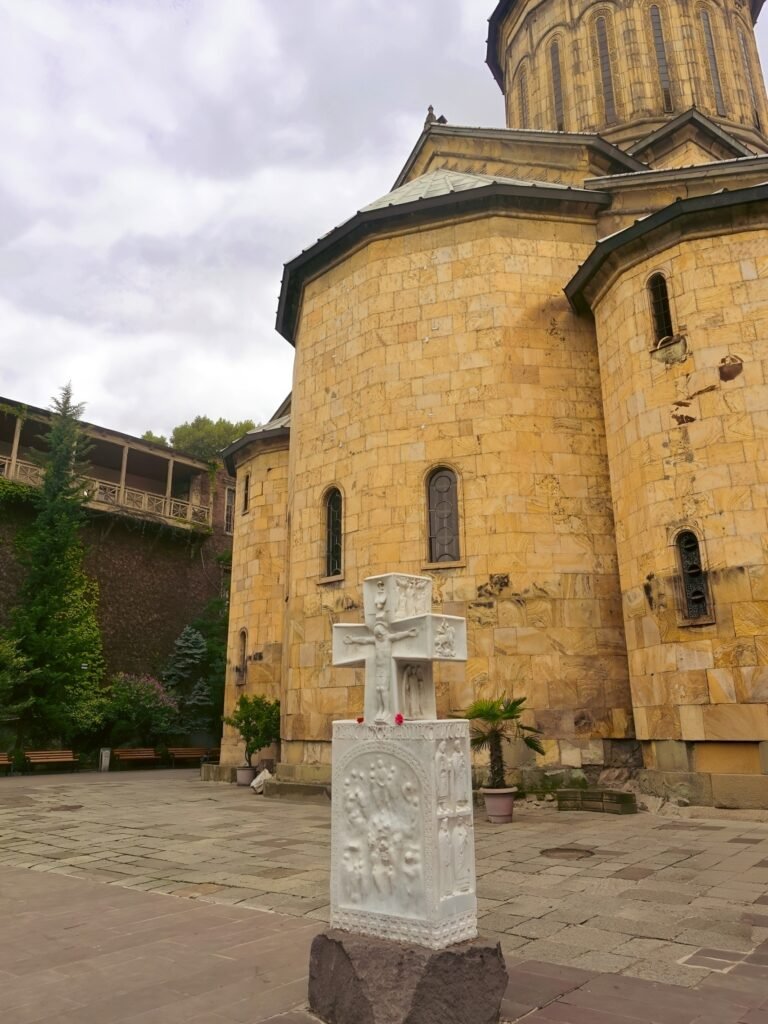
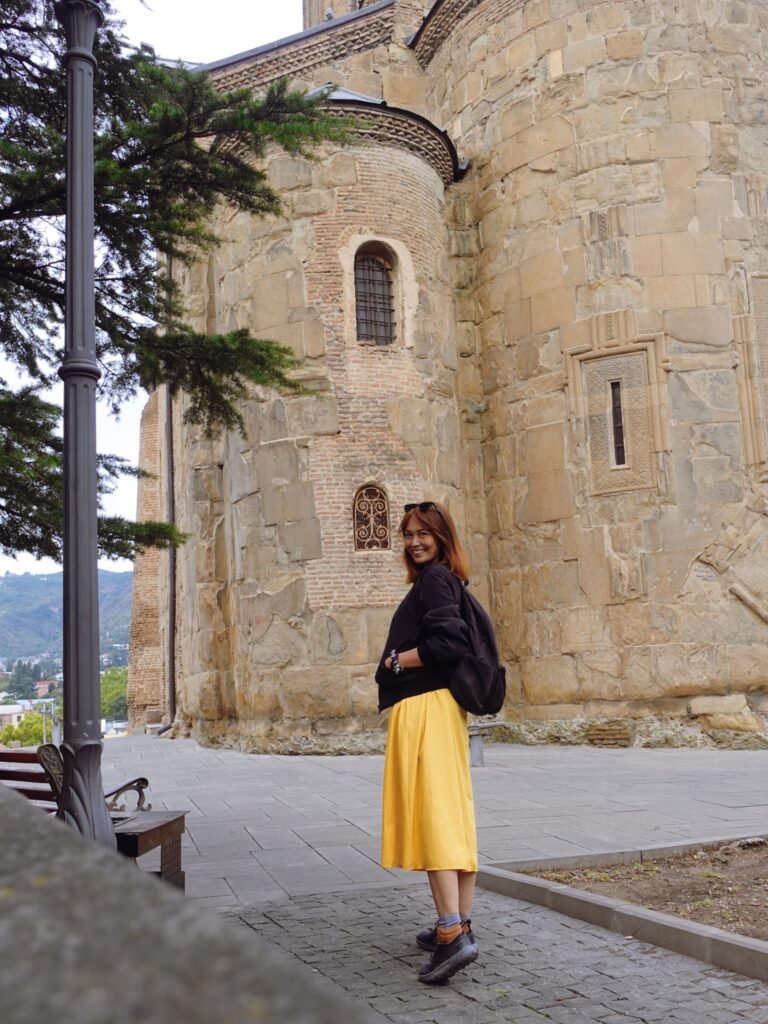
Another place I came across while wandering through Old Tbilisi was Sioni Cathedral, also known as the Sioni Cathedral of the Dormition.
The cathedral has a much more traditional appearance compared with some of the newer architecture around the city. Its stone exterior, domed roof and historic setting fit nicely into the old neighbourhood surrounding it.
The history of Sioni Cathedral goes back many centuries. The site has been home to a church since at least the 6th century, although the building you see today has been rebuilt and restored several times over the years. Its name, Sioni, comes from Mount Zion in Jerusalem.
Even if you are not particularly interested in religious history, I think the cathedral is worth seeing while exploring this part of Old Tbilisi. The surrounding area has a lovely old-city atmosphere, with narrow streets and historic buildings that make you want to keep walking.
If you visit inside, remember that this is an active Orthodox church, so dress respectfully and keep the atmosphere in mind.
📍 Metekhi Church of the Nativity of the Mother of God
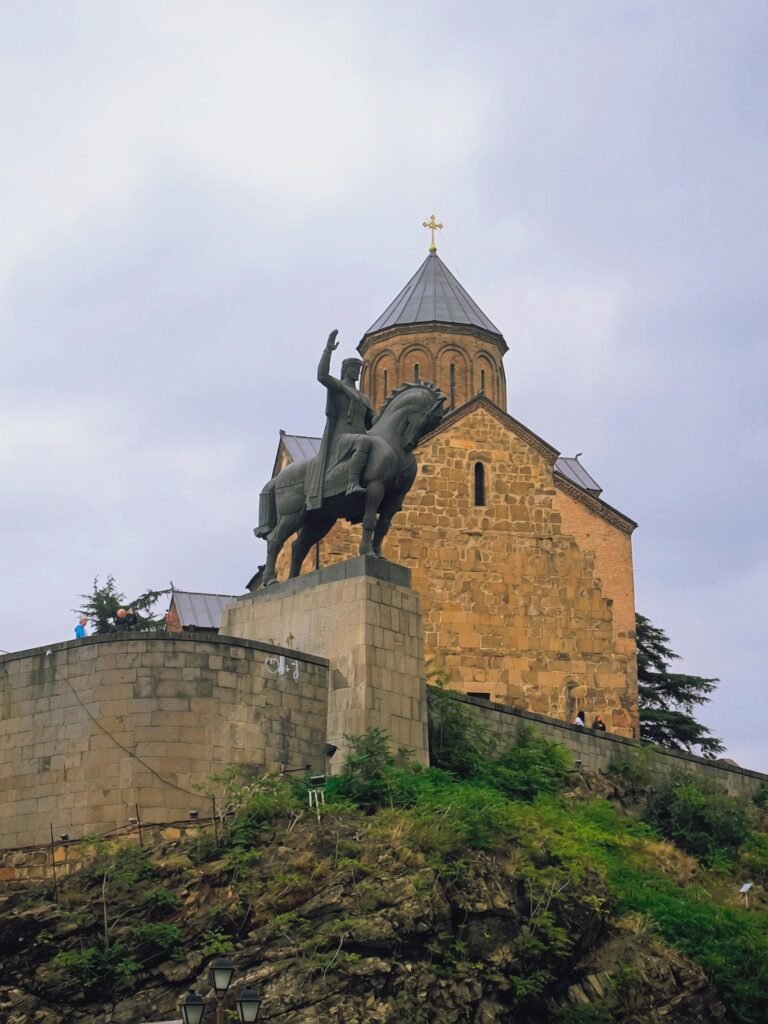
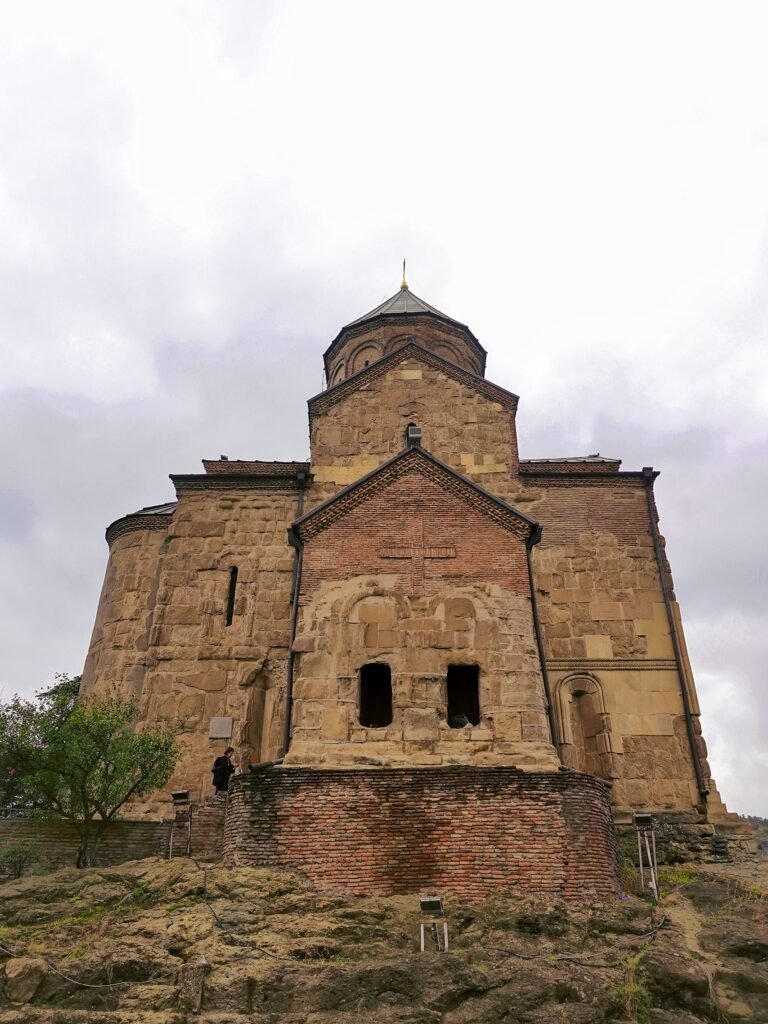
Perched on a rocky cliff above the Kura River, Metekhi Church is another landmark that immediately stands out because of its location.
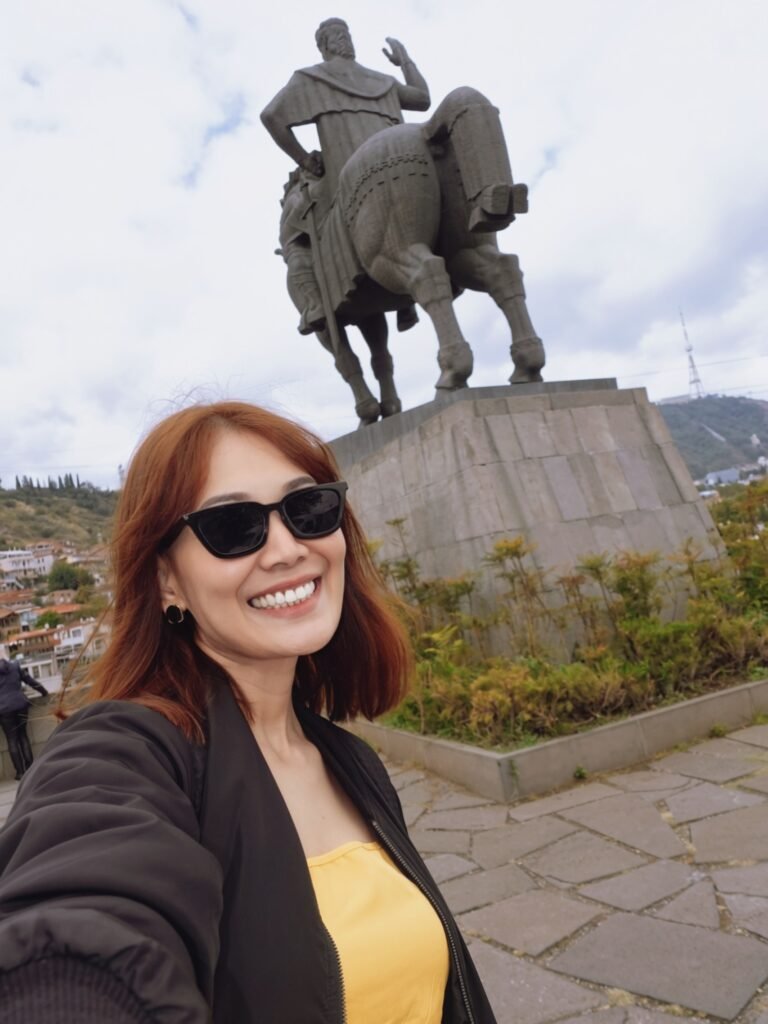
The site has a long connection with King Vakhtang I Gorgasali, the 5th-century king who is traditionally credited with founding Tbilisi. The church you see today was rebuilt several times after the original structures were destroyed over the centuries.
What I found most interesting was the setting.
From the area around Metekhi Church, you get a completely different perspective of Tbilisi. Instead of being surrounded by the narrow streets of the Old Town, you can look out across the Kura River, the surrounding hills and the colourful buildings stretching across the city.
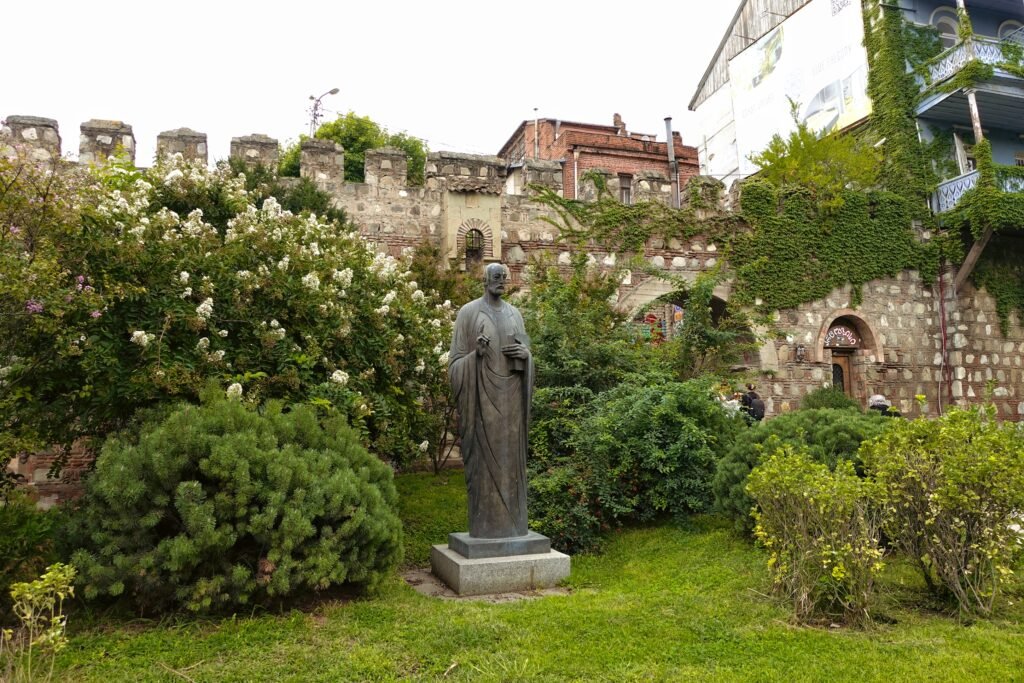
There is also a statue of King Vakhtang I Gorgasali standing near the church, overlooking the river. It is a nice spot to stop because you can see the church, the statue and the city views all in one place.
The church itself is an active Georgian Orthodox church, so visitors should dress respectfully if they plan to go inside.
My tip: Spend a little time around the viewpoint and look across the river towards Old Tbilisi. The view is one of the best reasons to come up here.
📍 Bridge of Love, Sulfur Baths & Leghvtakhevi Waterfall
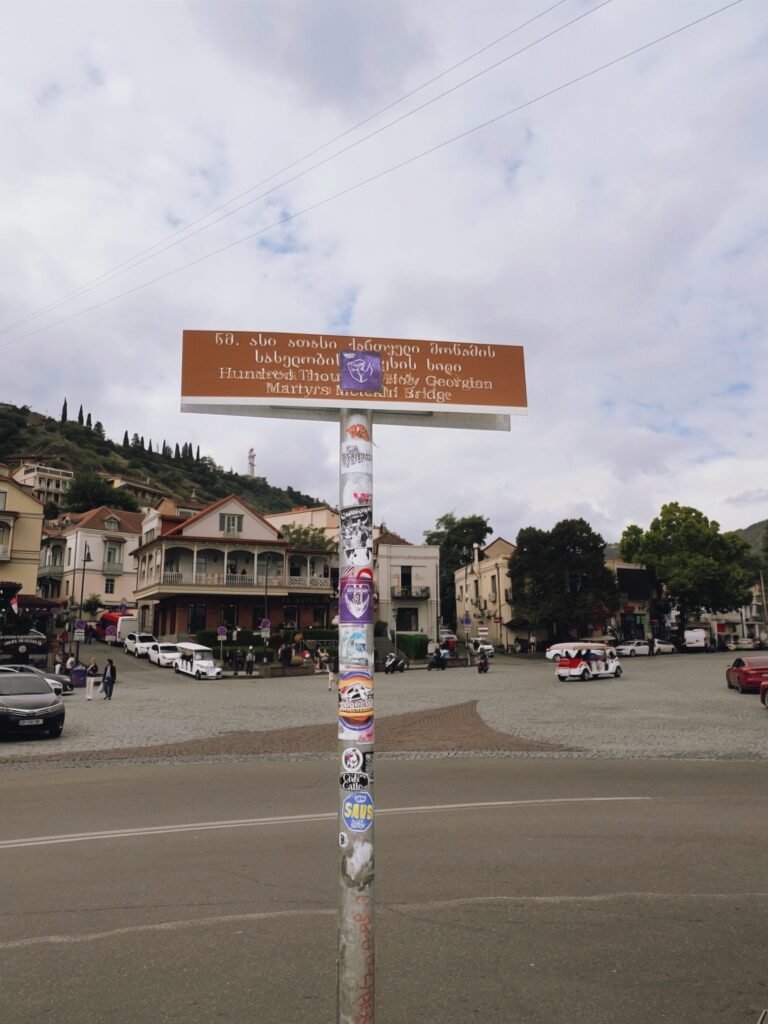
As I continued exploring Old Tbilisi, I made my way to Abanotubani, a historic area known for its traditional sulfur baths.
I enjoyed walking around this area because you can see quite a few different things within a short distance. From the old streets and colourful bathhouses, you can continue into a narrow gorge surrounded by cliffs and greenery.
My tip: I would set aside at least 30 minutes to an hour for this whole area if you want to walk through the gorge, stop by the waterfall and take your time around the sulfur baths. You can also combine it with Narikala Fortress and the Mother of Georgia, which are nearby.
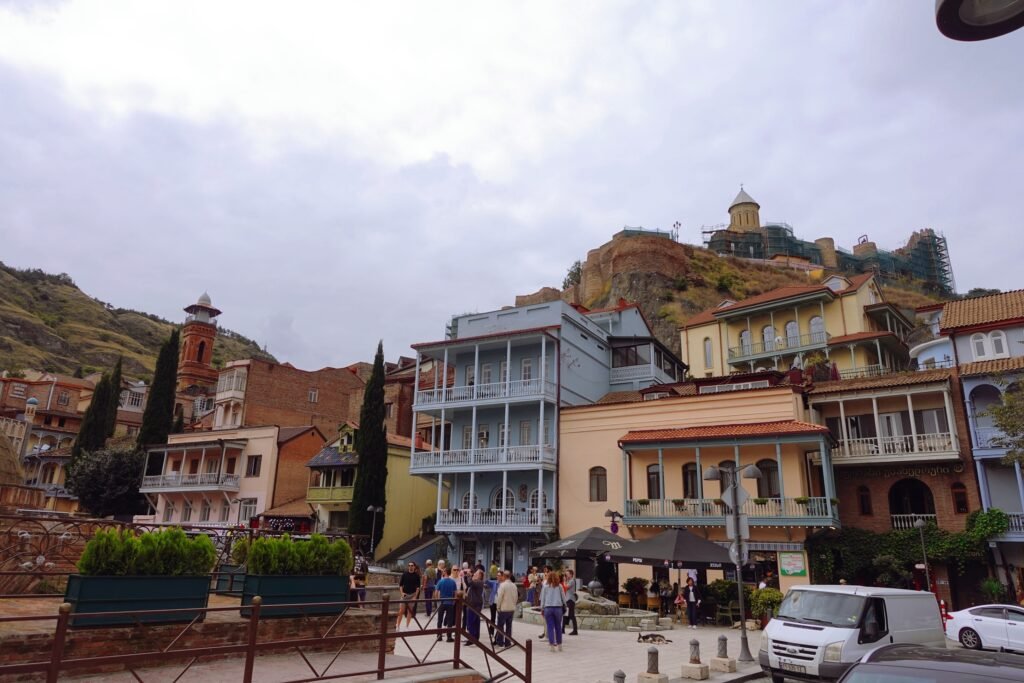
- Bridge of Love
Another small landmark I came across while exploring this part of Tbilisi was the Bridge of Love.
The bridge crosses a small stream and is known for the many padlocks attached to its railings, which are meant to represent love and lasting relationships.
It is not a major attraction and you probably won’t need much time here, but it has become a popular photo spot for couples and is easy to include in your walk around the area.
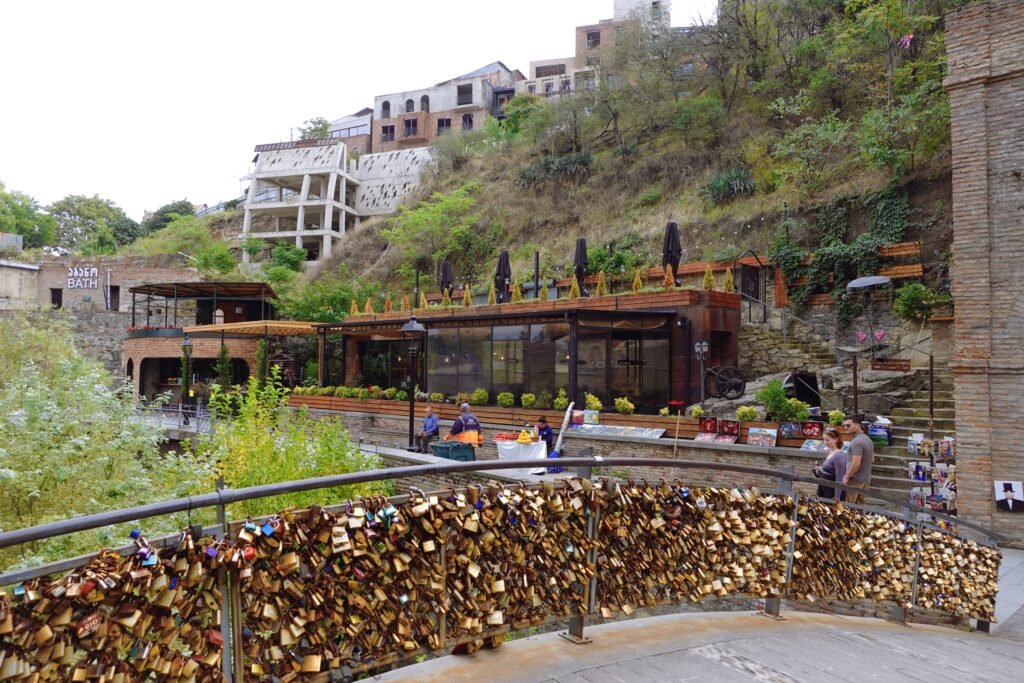
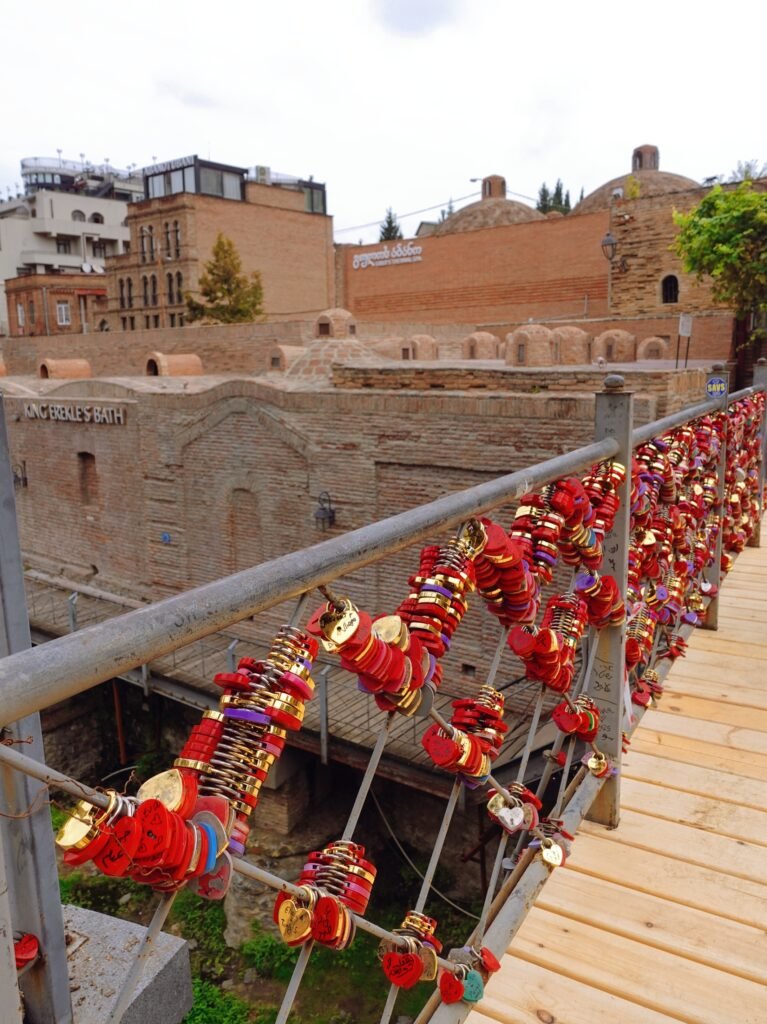
- Tbilisi Sulfur Baths
The domed bathhouses are quite distinctive, and you can easily recognise the area from their rounded roofs. Tbilisi’s warm sulfur springs are closely connected to the city’s history, and even the name Tbilisi comes from the Georgian word tbili, meaning “warm.”
One of the most recognisable bathhouses is Chreli Abano, also known as the Colourful Bath because of its colourful tiled exterior.
I didn’t actually go for a sulfur bath during my visit, so I won’t pretend I can review the experience. I mainly walked through the area and enjoyed seeing this very distinctive part of Tbilisi.
If you have more time than I did, you could consider trying one for yourself. The baths are still part of everyday life in Tbilisi and are one of the city’s more unique experiences.


- Leghvtakhevi Waterfall
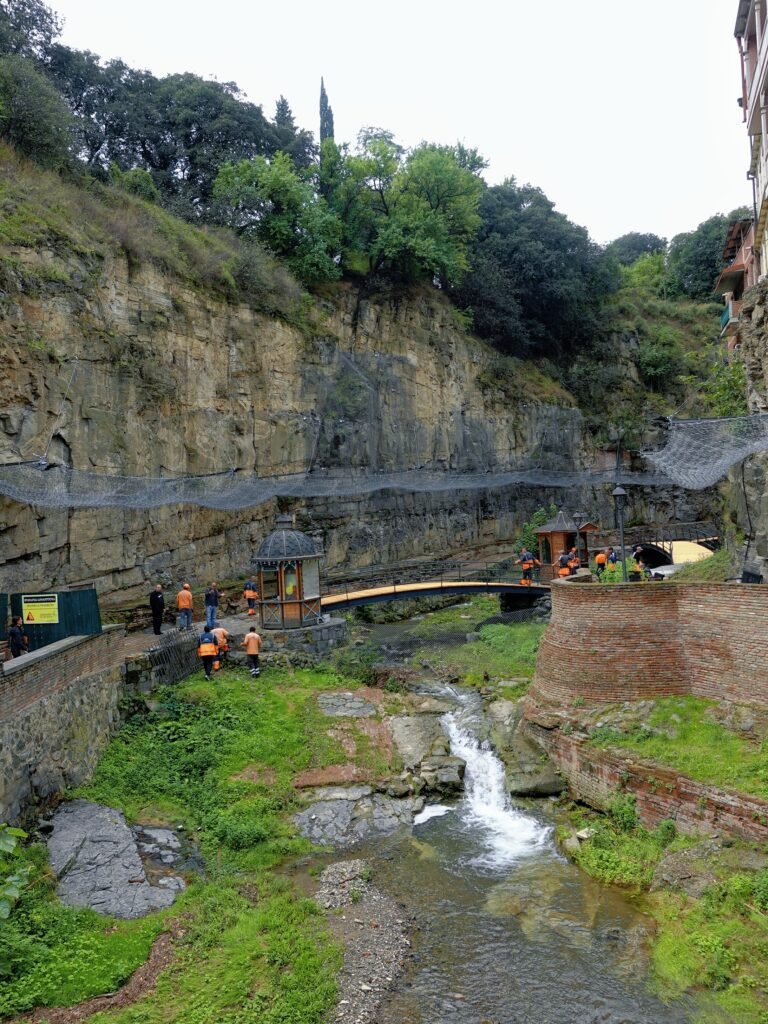
From the Abanotubani area, you can follow the path into Leghvtakhevi Gorge, where the surroundings gradually become quieter and more natural. The path takes you between rocky cliffs, along the stream and towards Leghvtakhevi Waterfall.
The waterfall is around 22 metres high, and there are paths, small bridges and benches along the way, so you can take your time walking through the gorge. I also liked how different this area felt from the busy streets around the sulfur baths. You have rocky cliffs and greenery around you, with parts of the old city visible above.
Unfortunately, Leghvtakhevi Waterfall was temporarily closed for construction and renovation during my visit in 2025, so I wasn’t able to properly experience the waterfall itself.

📍 Graffiti Tunnel
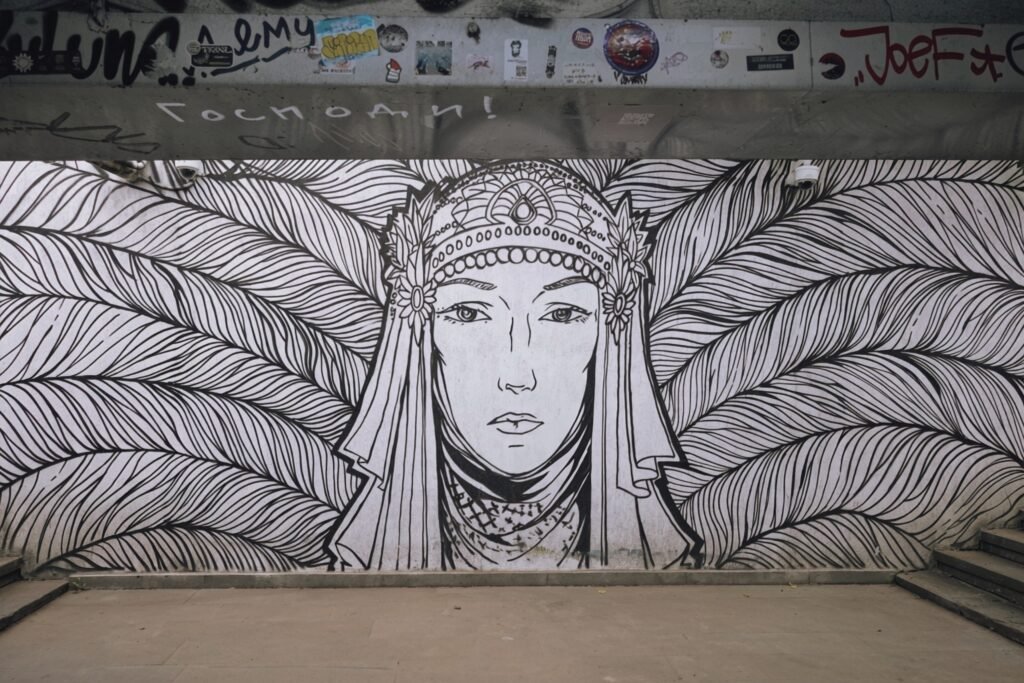
Tbilisi isn’t all churches, old buildings and historic monuments. There is also a more creative side to the city, and the Graffiti Tunnel is a good example.
The tunnel is covered with colourful street art and graffiti, creating a completely different atmosphere from the traditional architecture around Old Tbilisi. The artwork can also change over time, so the pieces you see may be different from what others have seen.
To be honest, I was a little nervous entering the tunnel. There was no one around when I visited, and I was completely alone. I still felt safe, but I stayed cautious as I was travelling on my own.
I didn’t take many photos either. Instead, I acted like I was on a live video and kept my phone with me as I walked through. It probably looked a little funny, but I felt more comfortable staying alert instead of standing around with my phone out.
Still, I’m glad I went in.
📍 Dry Bridge Market
If you enjoy markets, the Dry Bridge Market is worth adding to your Tbilisi walk.
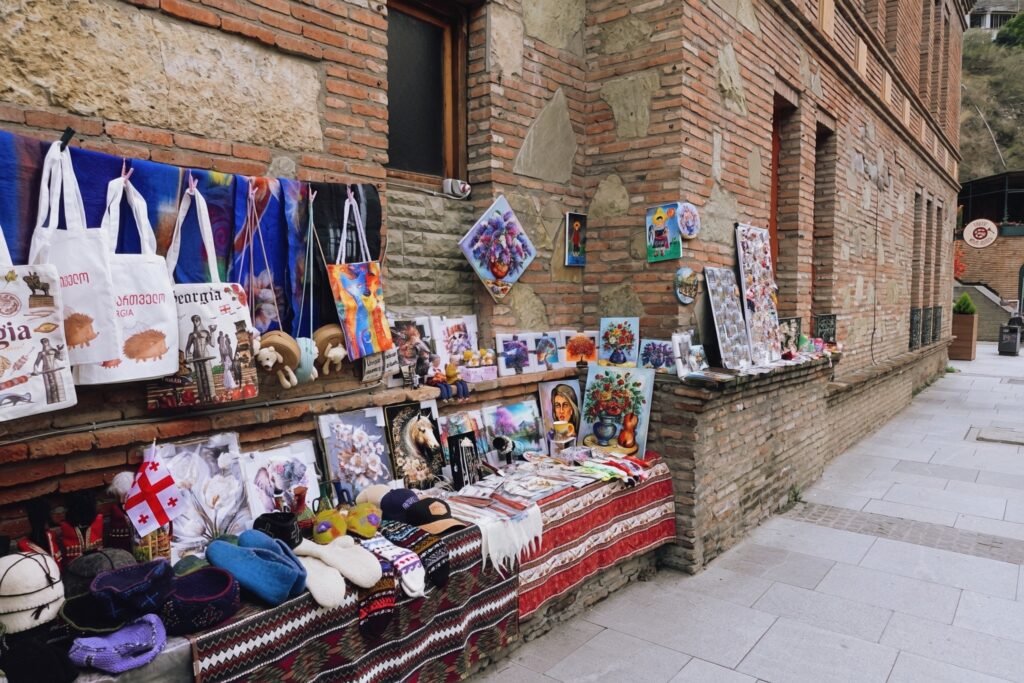
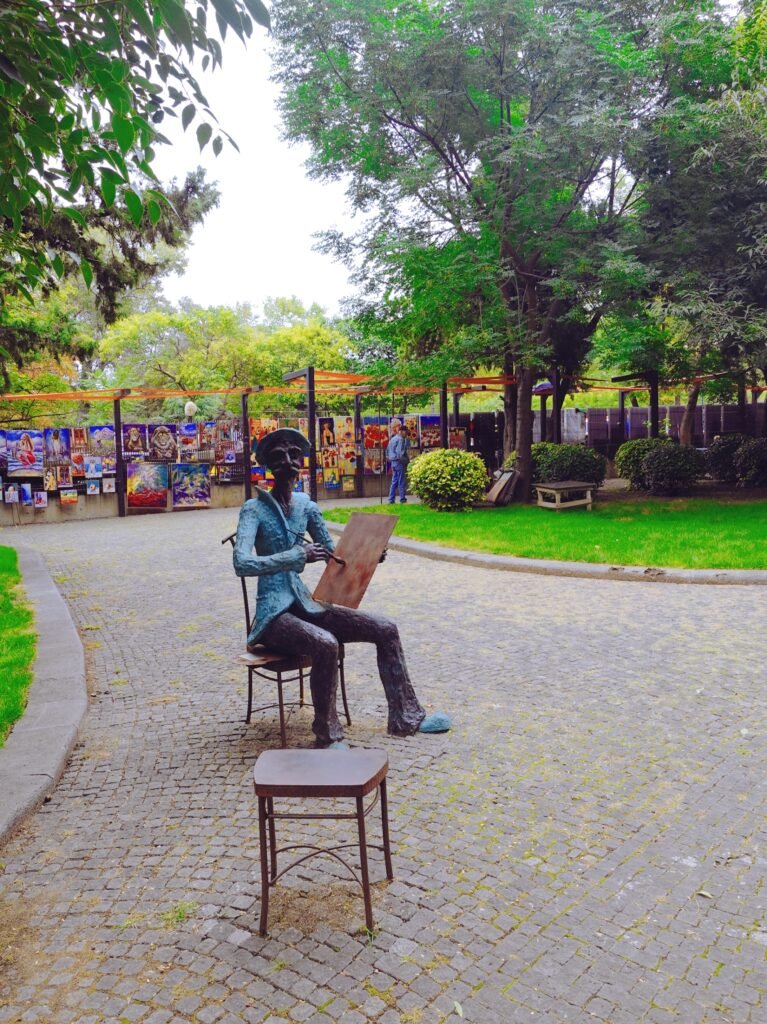
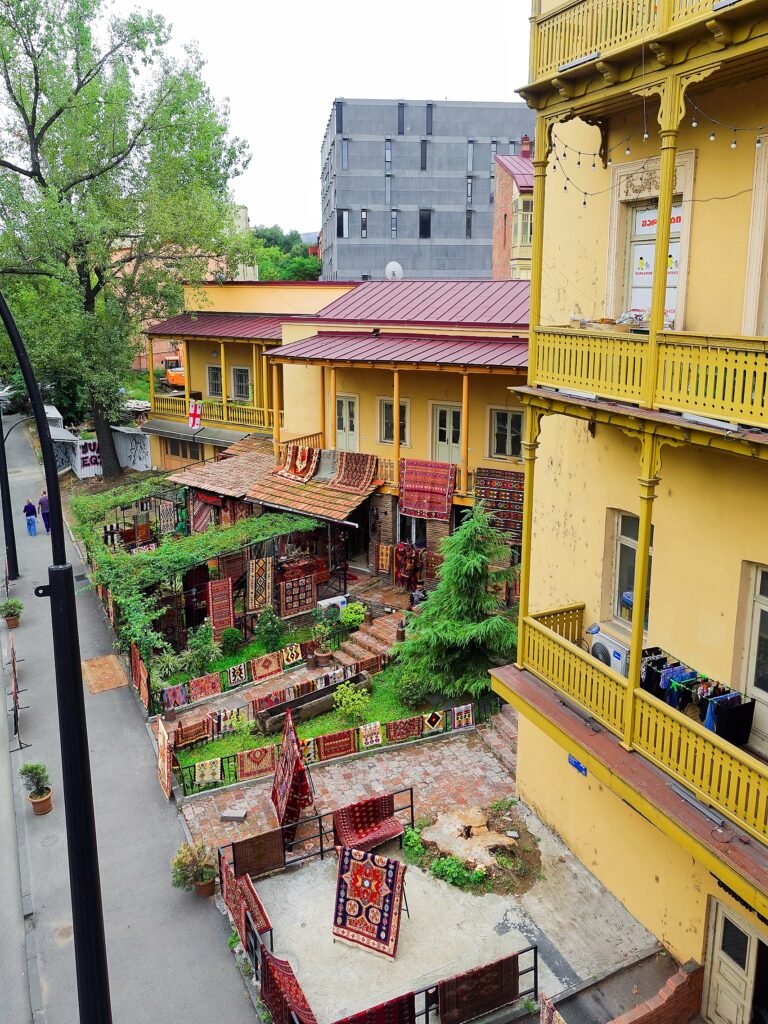
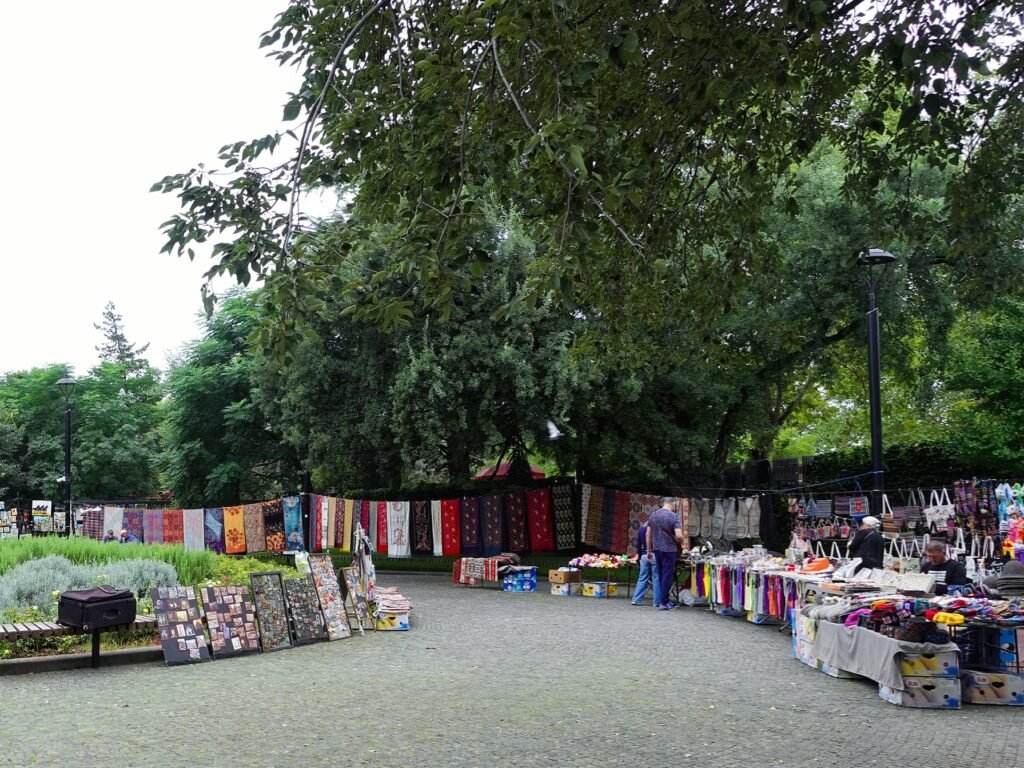
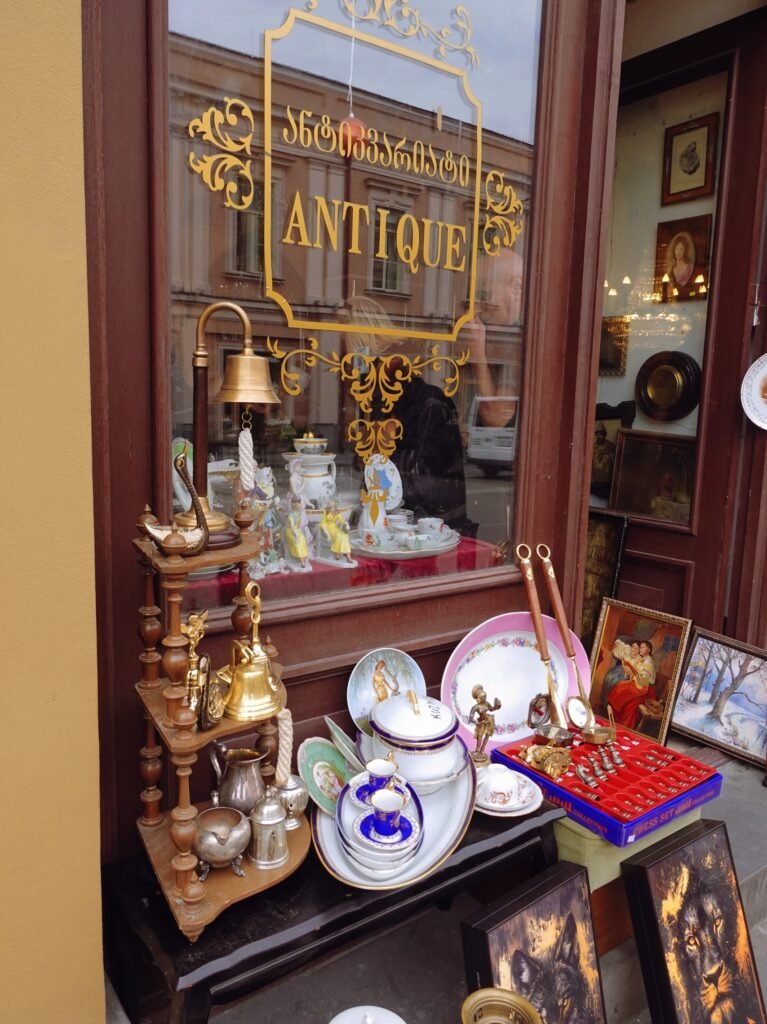
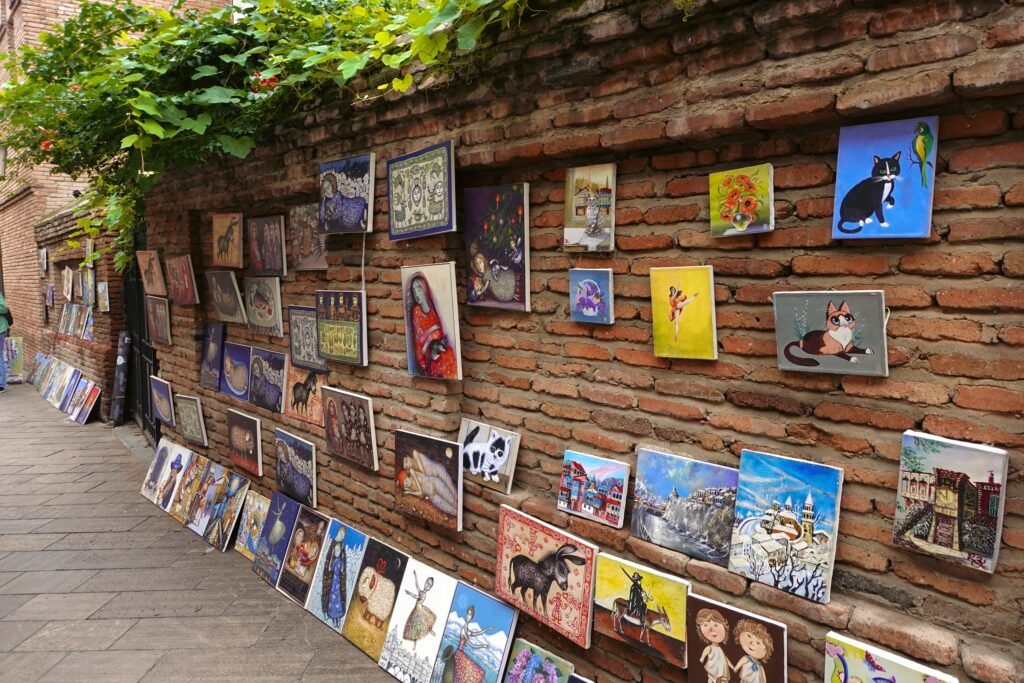
This isn’t the usual souvenir market. You can find antiques, vintage items, artwork, jewellery, books, old photographs, Soviet-era objects and all sorts of interesting things.
One thing I particularly liked was the amount of artwork for sale. There are paintings and other pieces displayed around the market, and some sellers offer their own work. If you want to bring home something different from Georgia, a small painting or piece of artwork could make a nice souvenir.
You can also find old coins, cameras, records, medals and other vintage items. Some are beautiful, some are strange, and some might make you wonder who would actually buy them. That’s part of the fun.
I didn’t have anything specific in mind when I visited, but I enjoyed walking around and looking through the different stalls. I did end up buying a cute knitted sheep as a souvenir for my best friend at work. Even if you don’t plan to buy anything, it is still an interesting place to browse.
My tip: Take your time and look around before buying anything. If you find an artwork or antique you like, ask the seller about it and compare prices at a few stalls first. You might end up bringing home something much more interesting than a typical souvenir.
📍 Shota Rustaveli Avenue
Towards the end of my trip, I moved to the city centre and explored another side of Tbilisi.
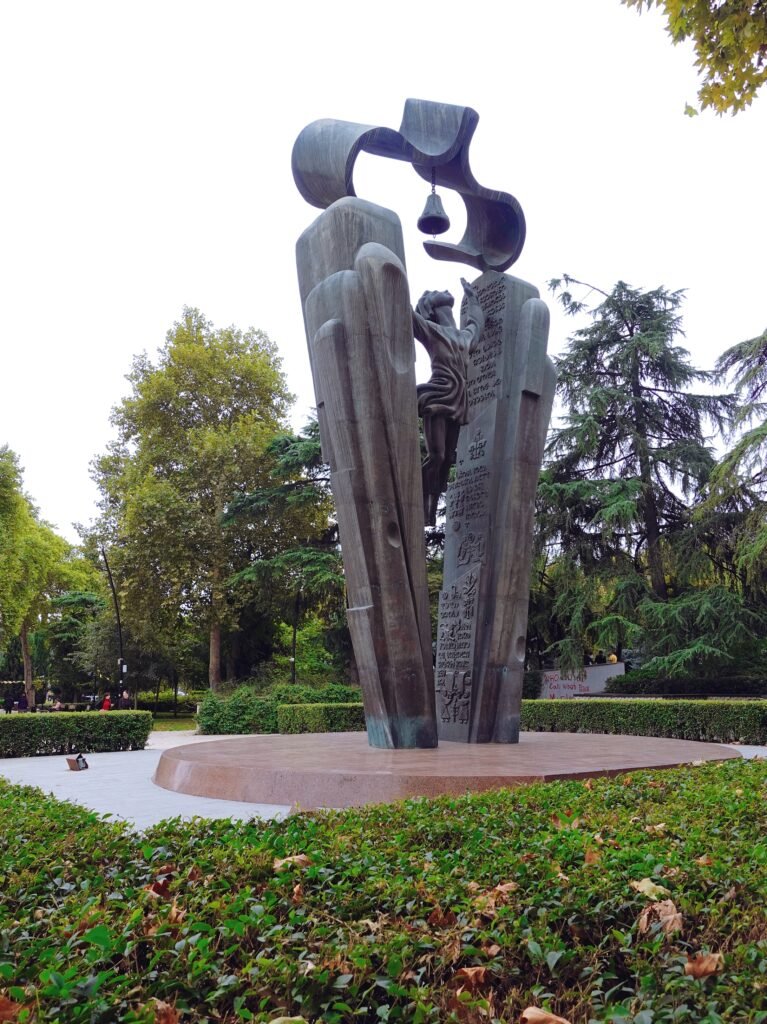
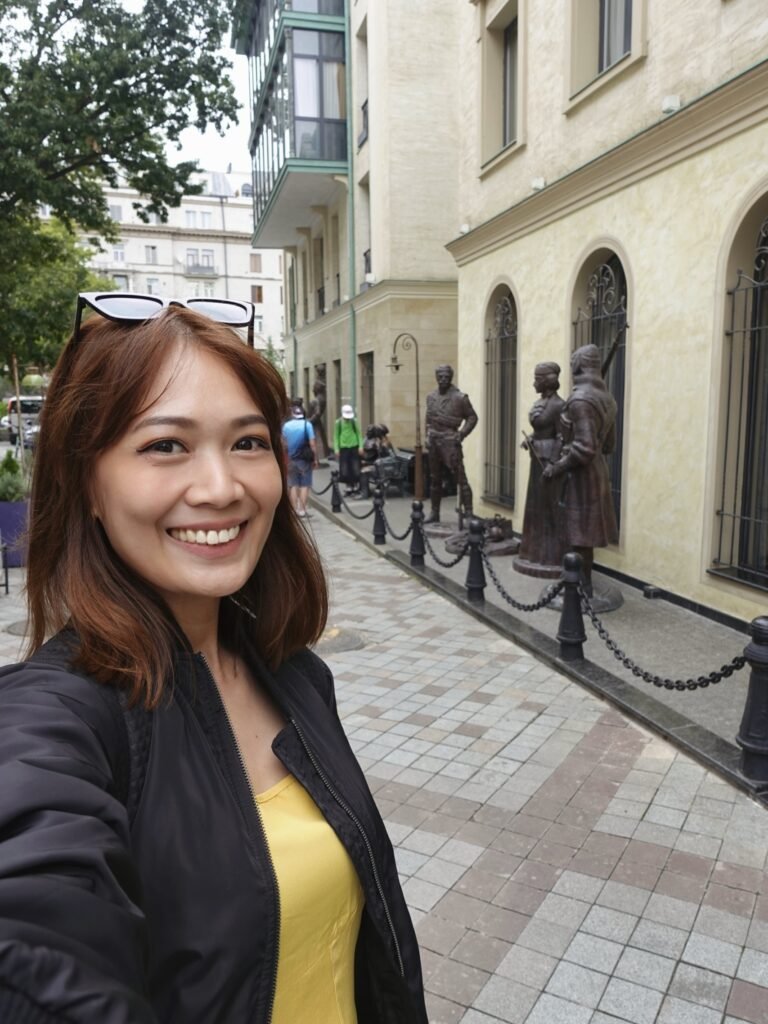
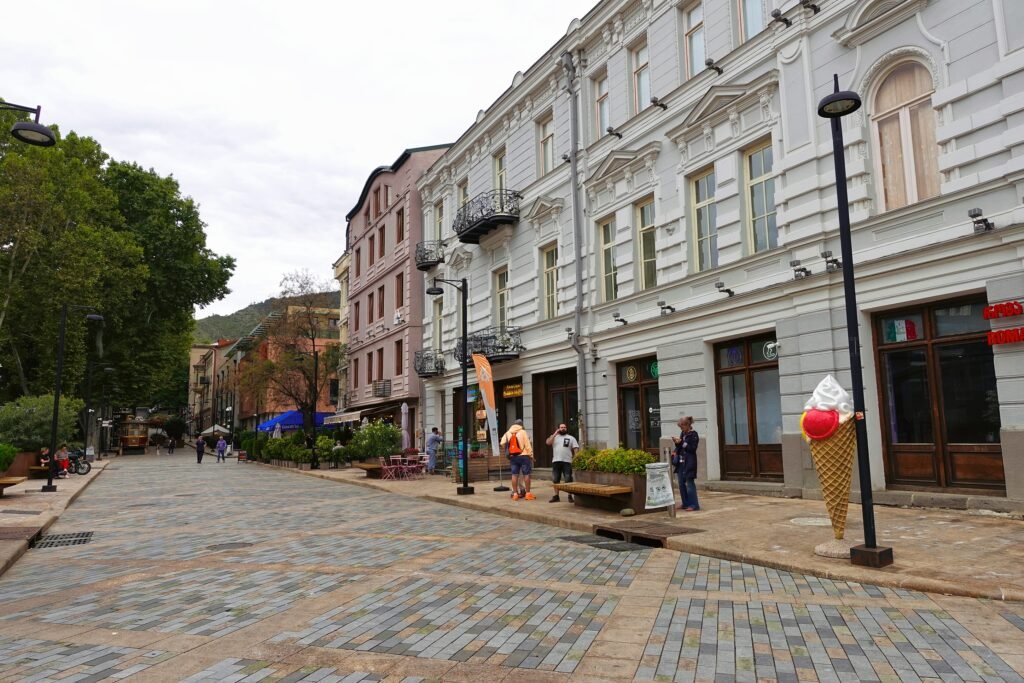
The avenue is one of the main streets in the city centre, lined with important buildings, shops, cafés, restaurants and cultural landmarks. It is named after Shota Rustaveli, one of Georgia’s most famous medieval poets and the author of The Knight in the Panther’s Skin.
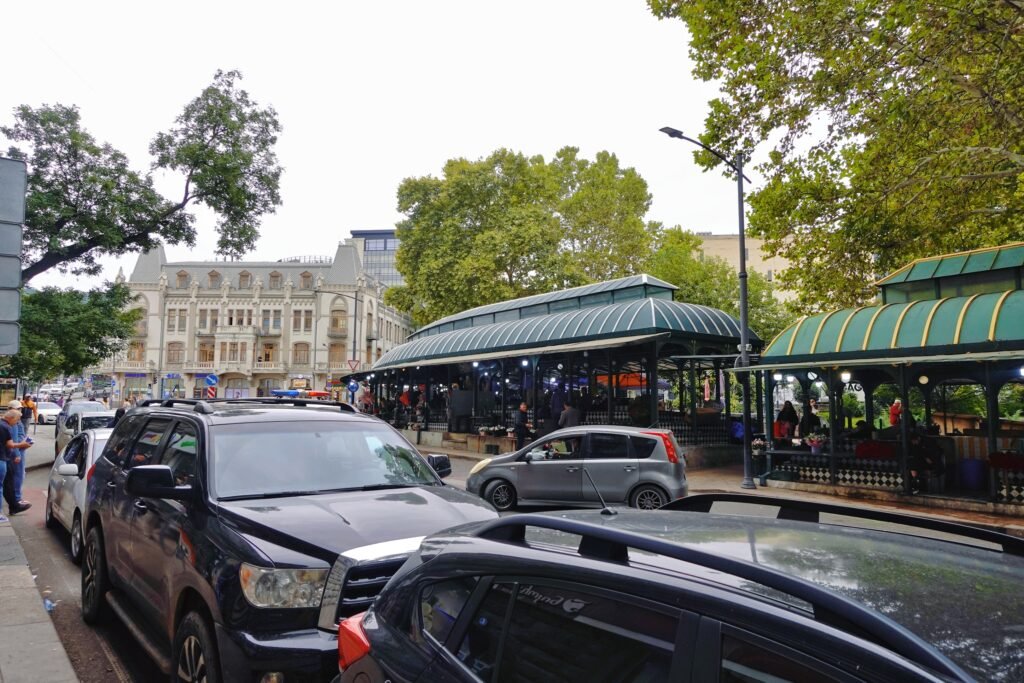
The atmosphere felt quite different from Old Tbilisi. There was more traffic, more people going about their day and plenty of places to stop for food, coffee or a drink. I also liked the mix of grand old buildings with newer shops and cafés.
This part of Tbilisi felt less like sightseeing and more like simply experiencing the city. I wasn’t rushing from one attraction to another. I was just walking, looking at the buildings and deciding where to go next.
My tip: Don’t just walk along Rustaveli Avenue and leave. Take some time to explore the surrounding streets, stop at a café or simply sit somewhere and watch the city go by. You can also use the avenue as a starting point to visit some of Tbilisi’s museums, theatres and other landmarks.



✅ Is Tbilisi Worth Exploring On Your Own?
Yes, absolutely.
If you are staying in Tbilisi, I don’t think you need to book a paid tour just to see the main sights around Old Tbilisi and the city centre. A lot of the attractions are close enough to combine into one walking day, especially if you enjoy exploring at a relaxed pace.
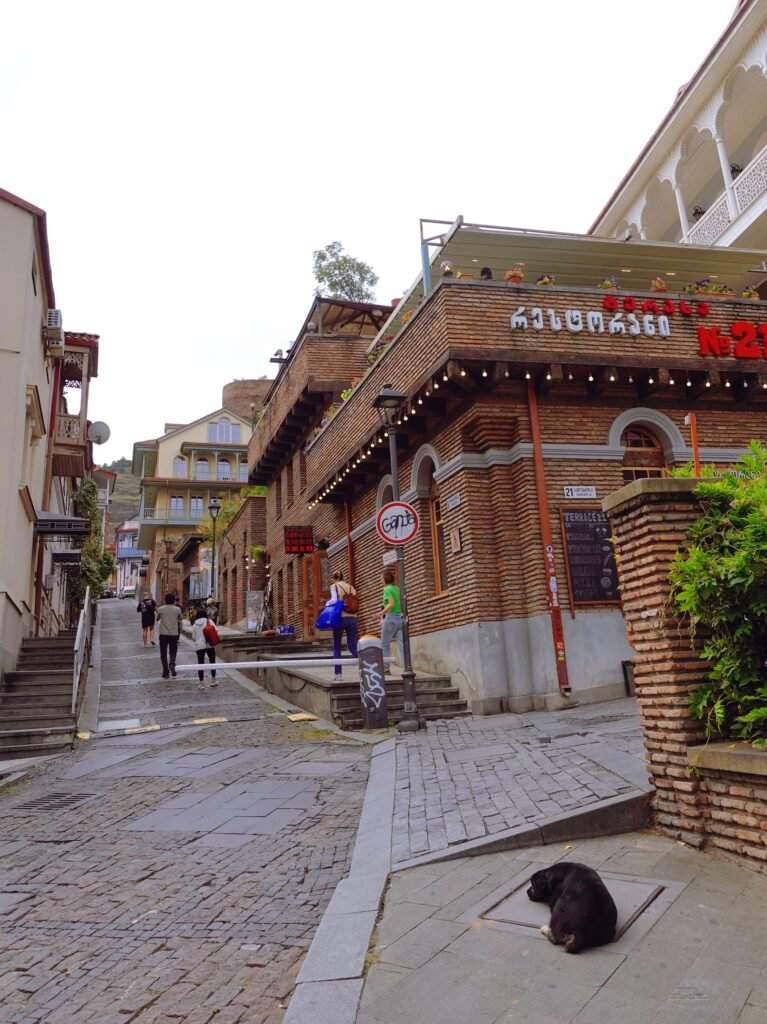
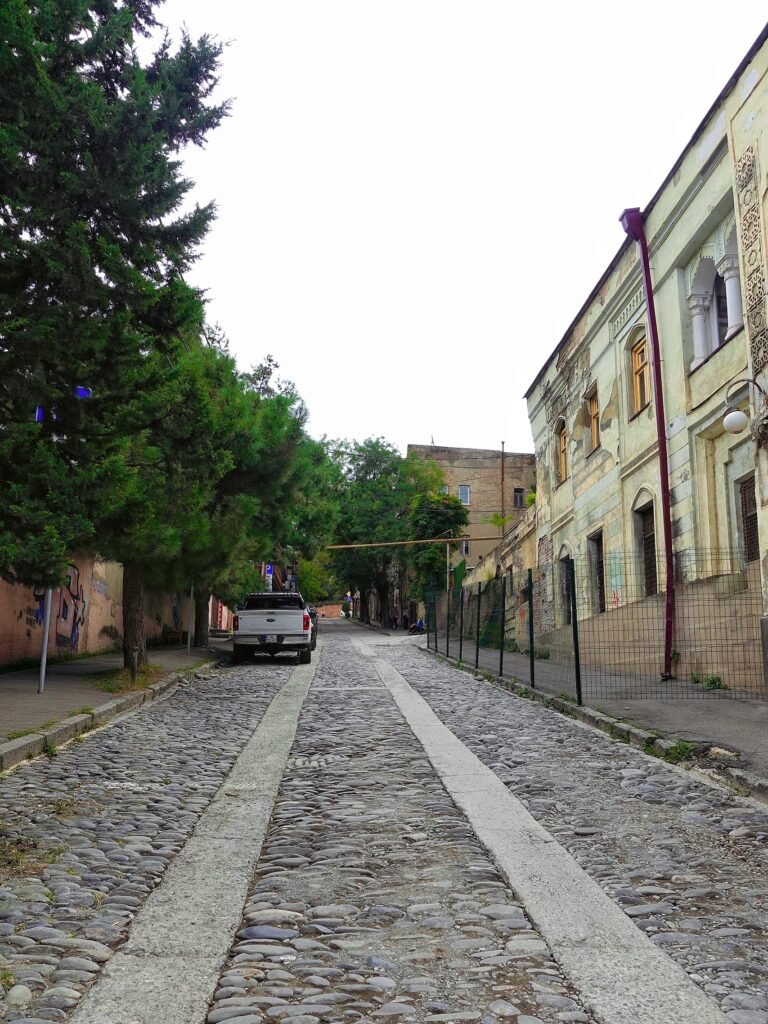
The biggest thing I would recommend is simply wearing comfortable shoes. You will be walking quite a lot, and some of the older parts of the city have uneven streets, slopes, uphill walks and plenty of stairs.
It is also worth keeping some flexibility in your schedule. You may find yourself spending longer at one place than expected, stopping for food or taking a completely different street because something catches your attention.
A guided tour can definitely be worthwhile if you prefer having a guide explain the history behind every building and landmark. I personally enjoyed having a guide during my [Kazbegi trip] because Georgian history was one of the things our guide explained so well.
For exploring Tbilisi itself, though, I was happy wandering on my own.
I did get lost a few times, although Google Maps worked perfectly well for me in Tbilisi. Even with the map, there were moments when I still wasn’t quite sure where I was going. When I was tired or had wandered further than expected, I occasionally used Bolt to get back to my hotel instead of trying to figure out the route on foot.
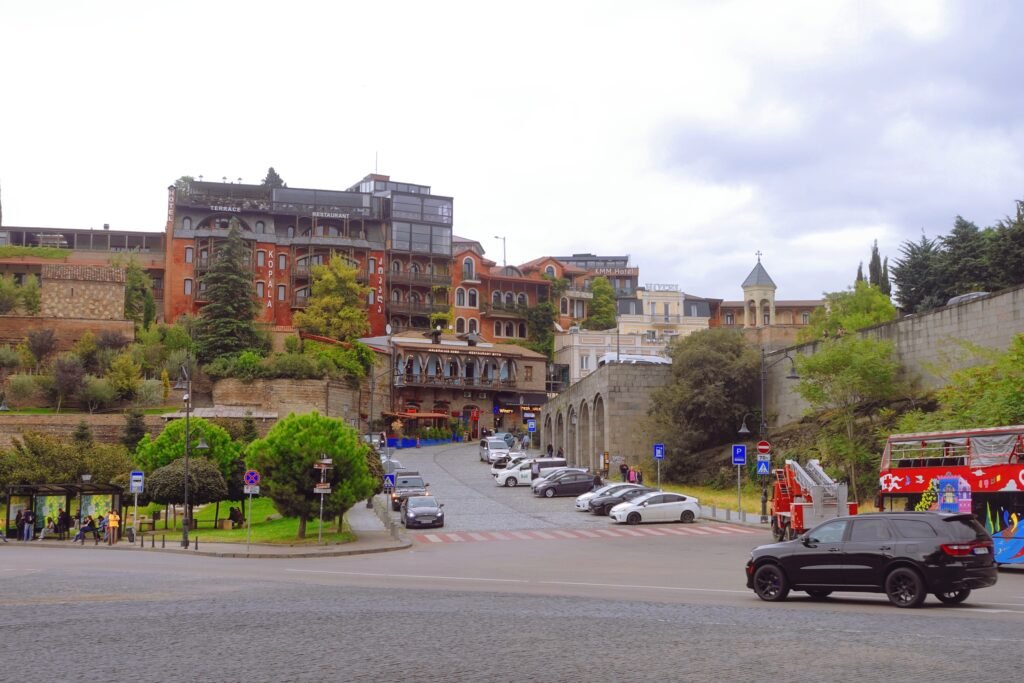
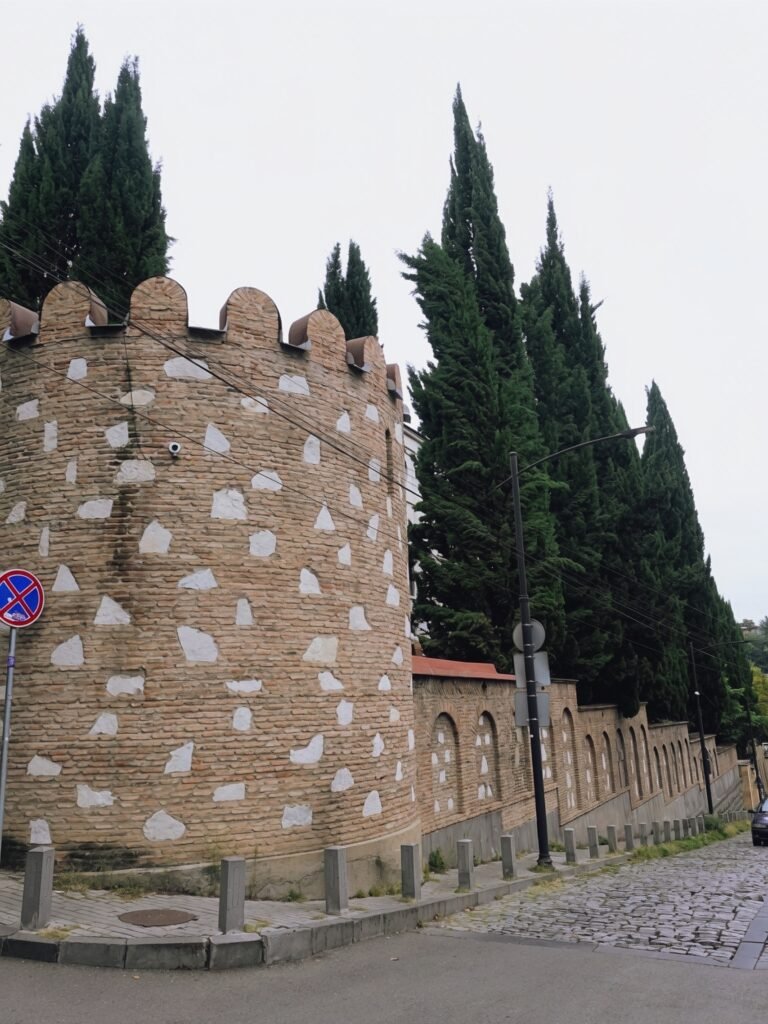
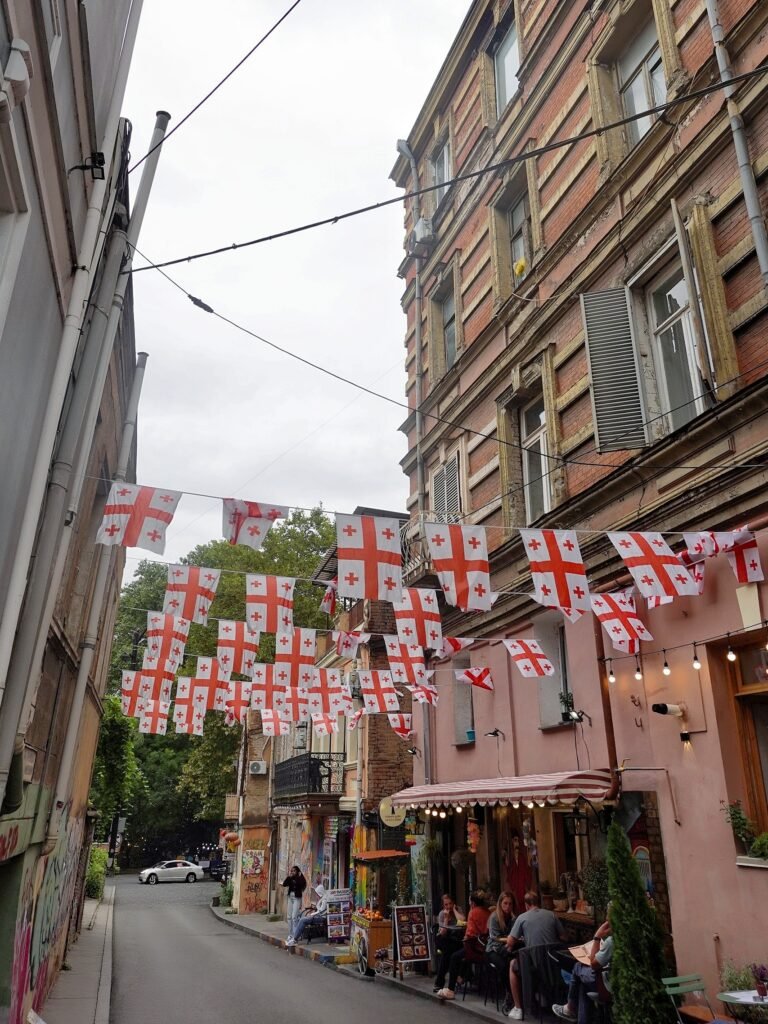
Some of my favourite moments came from the walking itself. I could take a different street, come across something I hadn’t planned to see and simply keep going. I saw historic churches, modern architecture, colourful street art, markets, parks and busy city streets. One moment I was walking through the old part of Tbilisi, and the next I was crossing a modern bridge or wandering along a busy avenue.
That mix is probably what I liked most about the city.
Of course, there are plenty of other places to visit in Tbilisi that I didn’t get to see. I didn’t have enough time to explore the whole city, so these are simply the places I managed to visit during my trip. If you have more time, just search Google for other attractions and see what catches your interest.
Tbilisi doesn’t feel like a place where you need to rush from one famous attraction to another. Give yourself time to walk, look around and take in the little details. You might enjoy Tbilisi even more that way.

Love,
Auri Duham 🌻


