

After spending an unforgettable week exploring Athens, it was finally time for the destination I had been dreaming about for years: Santorini.
Honestly, I don’t think I’ve ever been this excited about visiting an island. Santorini had been sitting on my bucket list for the longest time, so the moment I booked the trip, I started counting down the days.
And when I finally arrived, it was every bit as beautiful as I had imagined.
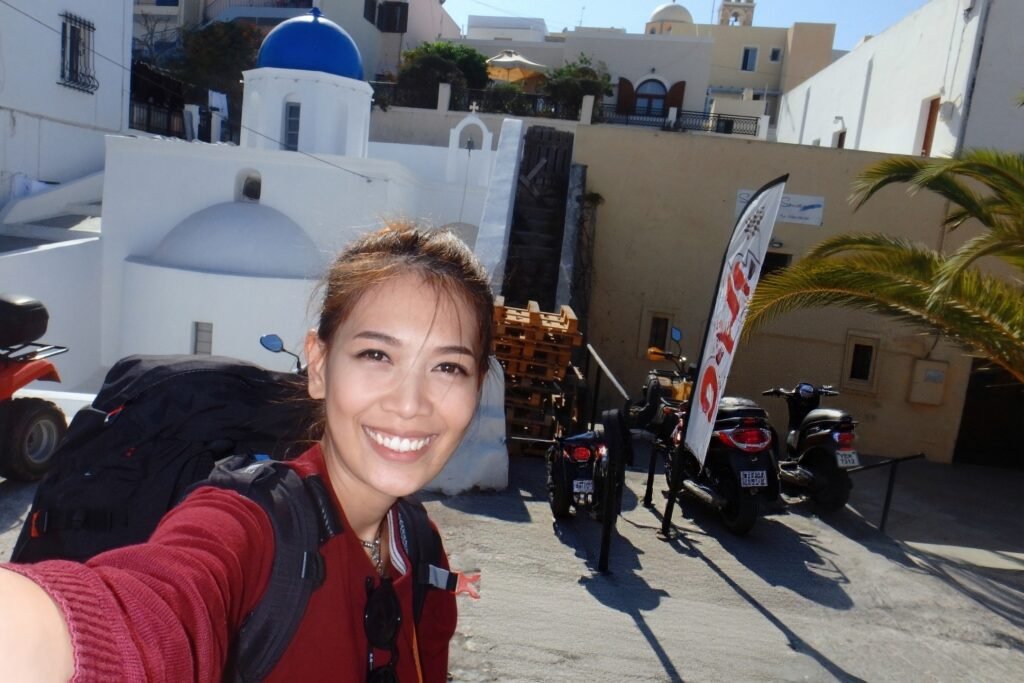
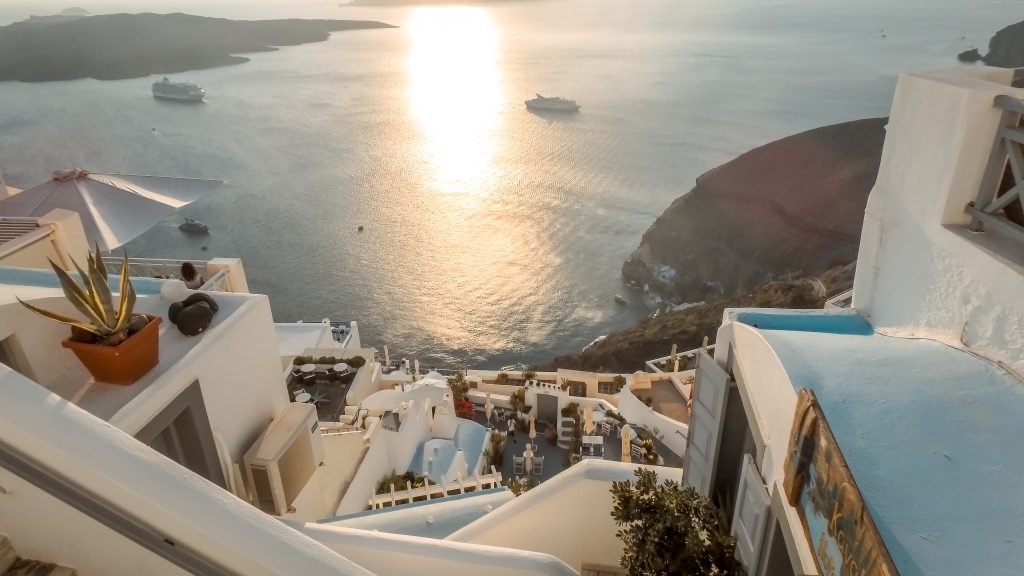
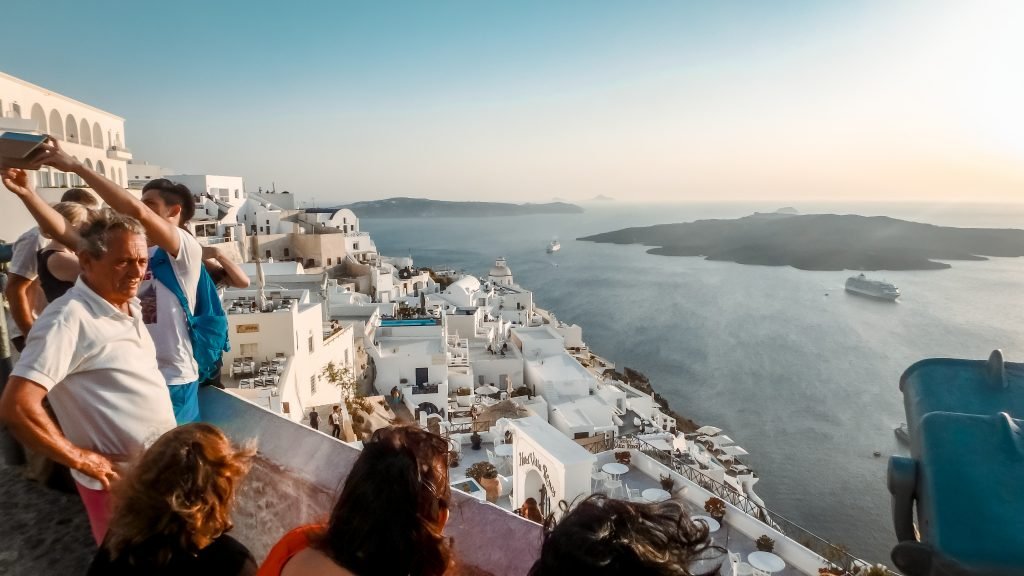
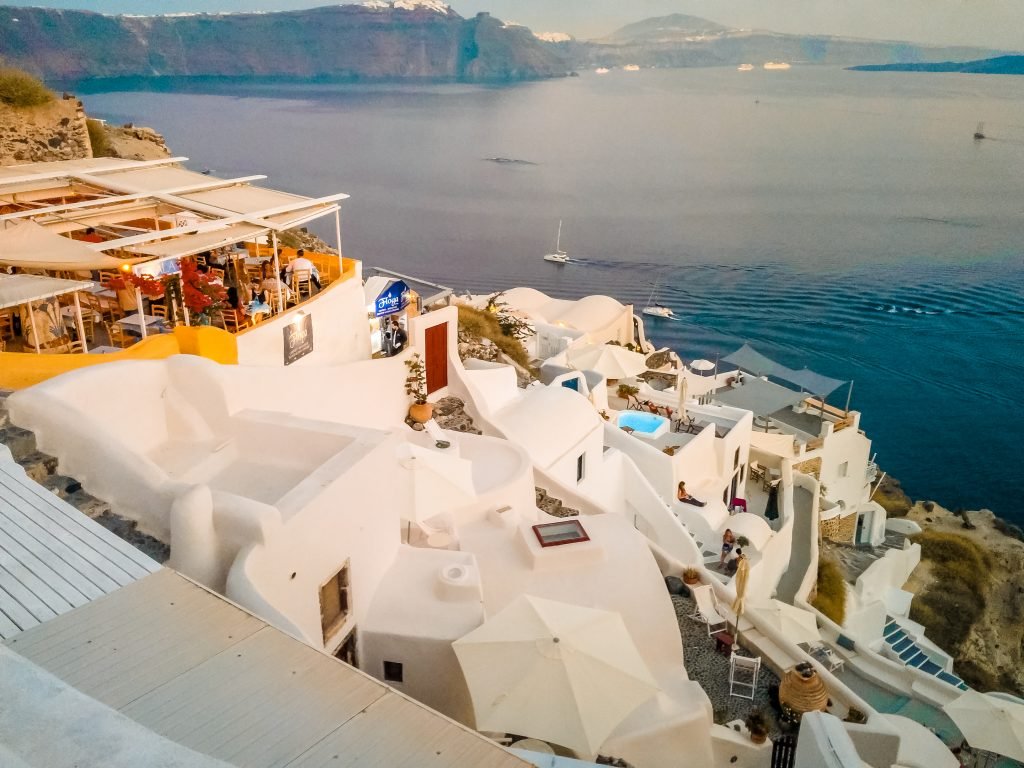
The iconic whitewashed buildings perched on the cliffs. The deep blue Aegean Sea stretching endlessly into the distance. Those famous blue-domed churches I’d seen countless times in travel photos.
It was one of those rare places that actually looked like the postcards.
Even after spending several days there, I still couldn’t stop staring at the views. I kept having those little “I can’t believe I’m actually here” moments.
As I sit down to write this guide, I’m finding it surprisingly difficult to describe just how beautiful Santorini really is. Photos come close, but they don’t quite capture the atmosphere or the feeling of actually being there.
So rather than trying to convince you with words, I’ll share what I learned from my trip and let the photos do some of the talking.
✅ Getting to Santorini
My Santorini adventure actually started before sunrise.
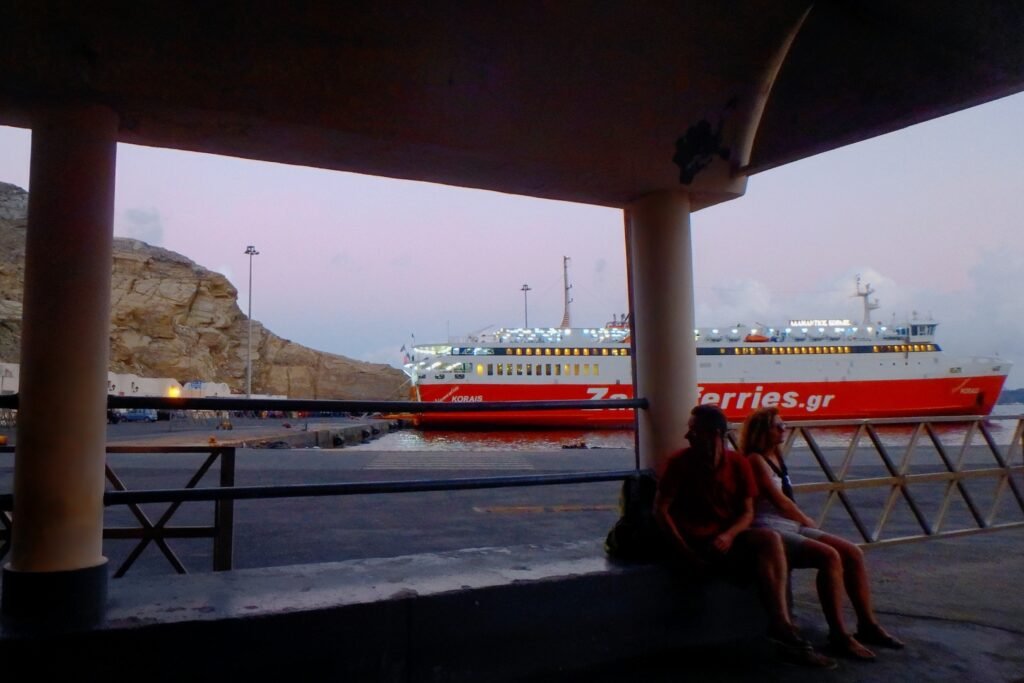
At 5:15 AM, I boarded a bus from Chaidari to Piraeus Port, still half asleep but incredibly excited. My ferry was scheduled to depart at 7:30 AM, and since the journey to the port takes about an hour, there wasn’t much room for delay.
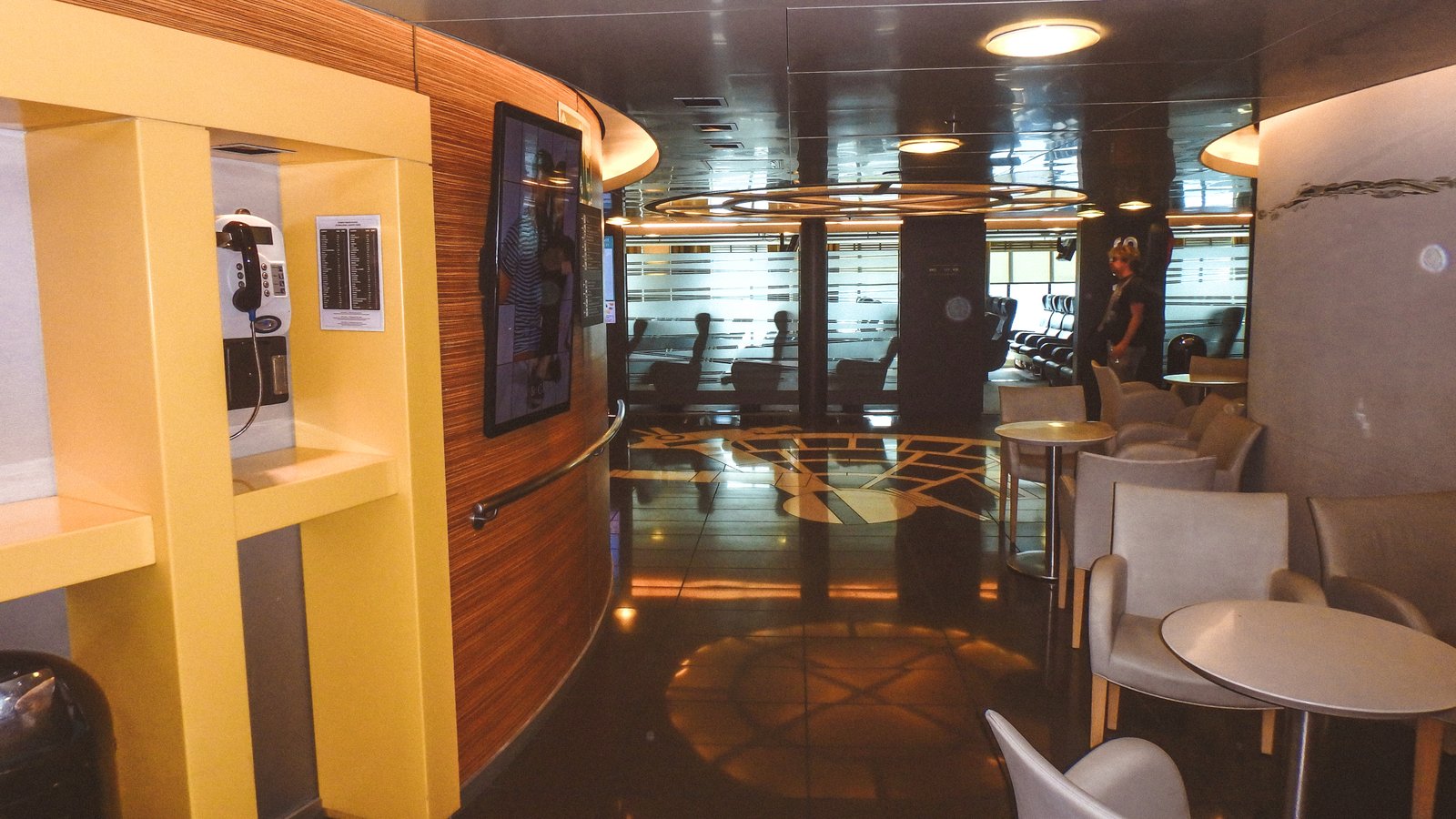
I booked my Blue Star Ferries ticket online about two months in advance. Flying would have been much faster, but I chose the ferry because it was significantly cheaper and, honestly, I liked the idea of seeing the Greek islands from the sea.
(Click this link for online booking.)
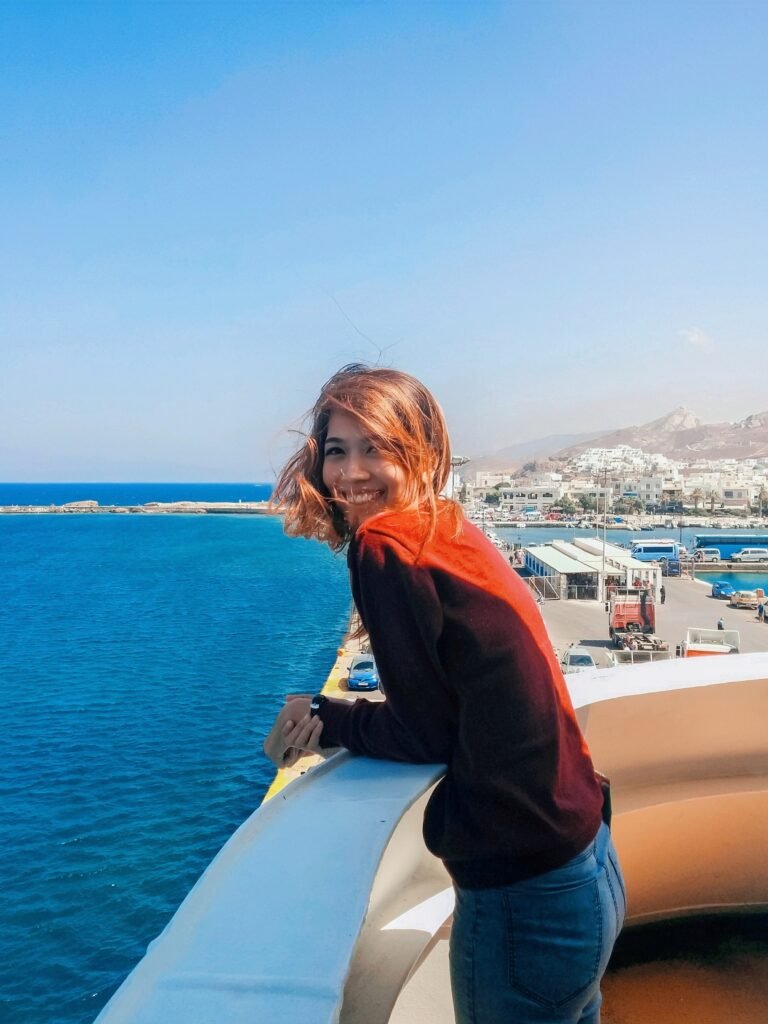
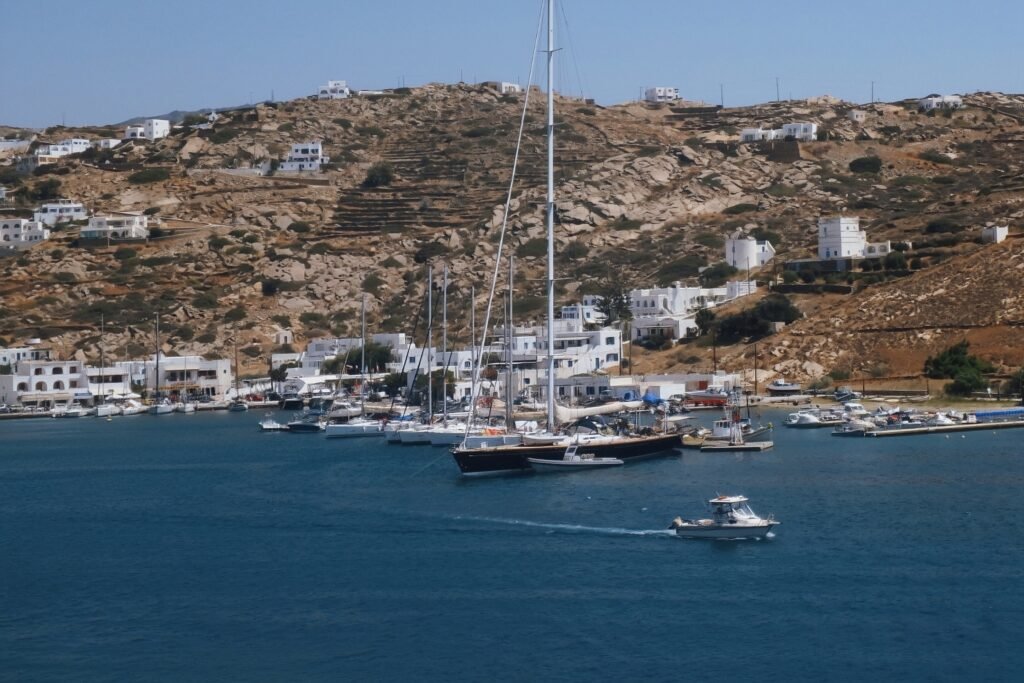
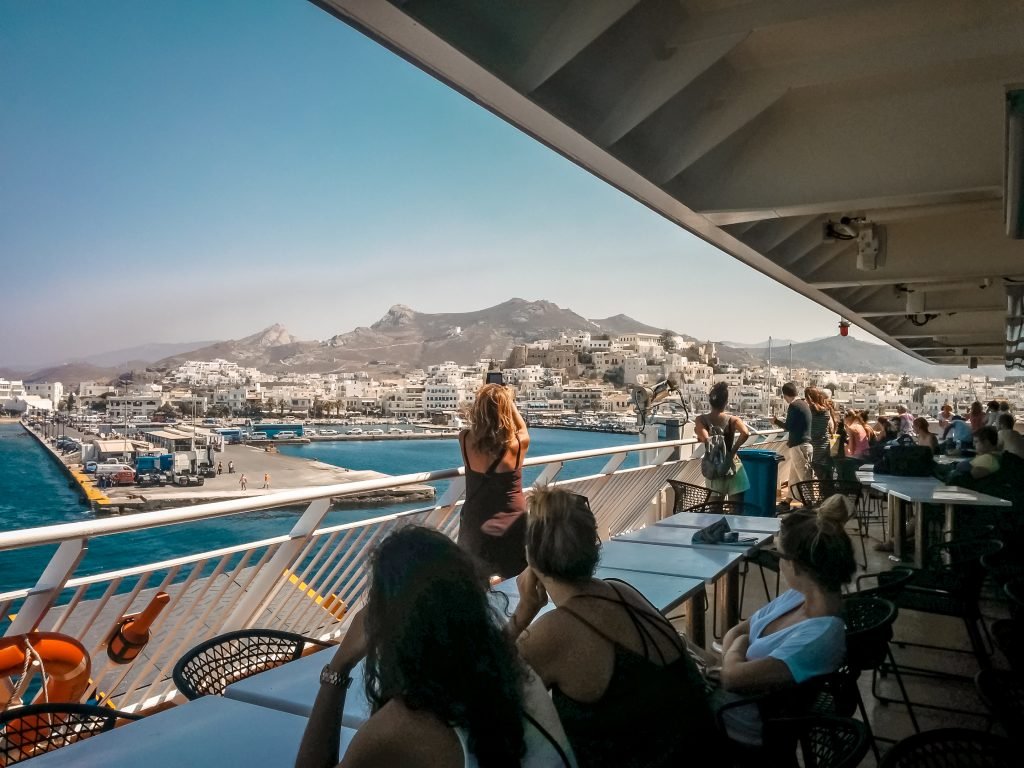
The journey took around seven hours, but it turned out to be part of the adventure itself. Along the way, I got to see beautiful views of Paros, Naxos and Ios, which made the long journey surprisingly enjoyable.
Once you arrive at Thira Port, you’ll find several buses waiting for passengers. If you’re unsure which one to take, just ask the driver.
I took the bus to Fira, since that was where my hotel was located.



✅ Getting Around Santorini
One of the things I really liked about Santorini was how easy it was to get around by bus.
The public bus service is reliable, frequent and affordable, and you can use it to reach most of the popular areas around the island.
Fira is the main transport hub, so you’ll often need to pass through Fira when travelling between different parts of Santorini.
For example, if you’re staying in Oia and want to visit Perissa Beach, you would typically take a bus to Fira first and then transfer to another bus heading towards Perissa.
If you’re planning to rent a car or scooter instead, keep in mind that some of Santorini’s roads are narrow, steep and winding. Take extra care, especially if you’re not used to driving on those kinds of roads.
✅ Where to Stay in Santorini
One of the first decisions you’ll need to make is:
“Do I want to stay by the beach or in town?”
For my trip, I chose to stay in Fira, and I would recommend it if convenience is important to you.
Fira is the main town of Santorini, so you’ll find plenty of restaurants, shops, hotels and, most importantly, easy access to public transport.
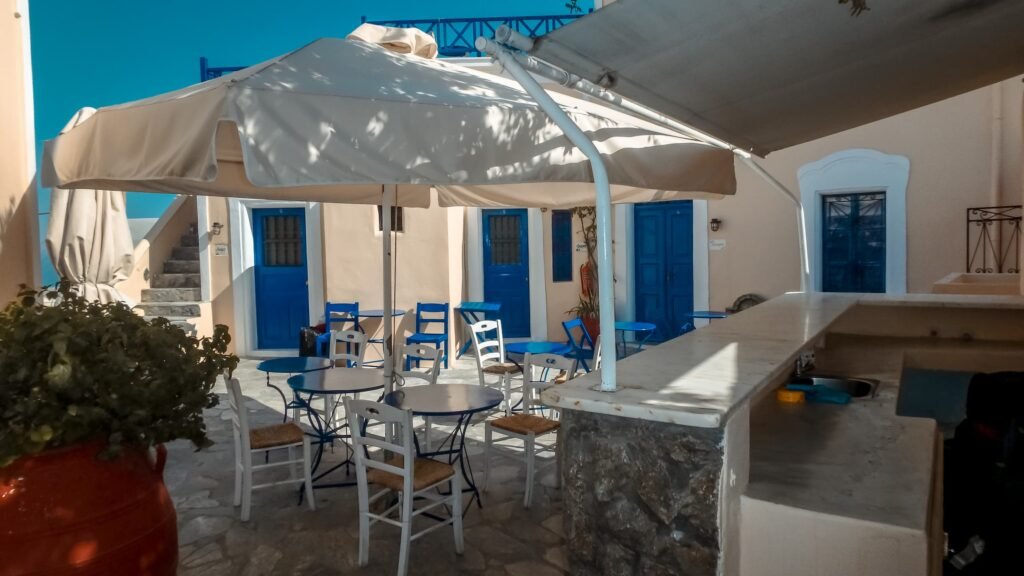
During my stay, I chose Kykladonisia Hotel, which cost around €64 per night including breakfast. The room was simple and fairly basic, but it had everything I needed for a comfortable stay.
I didn’t feel the need to spend a lot on accommodation because I knew I’d be spending most of my time exploring Santorini rather than sitting in my hotel room.
For me, location mattered more than luxury.
Being based in Fira meant I could easily walk to restaurants, shops and the main bus station. It saved me both time and money throughout the trip.


💡 Fira or Oia?
If you’re trying to decide between the two:
- Fira is the more practical choice. It’s the main transport hub and has plenty of restaurants, shops and accommodation.
- Oia is the more romantic and scenic option. It’s famous for its beautiful views, sunset and luxury hotels, but accommodation and dining tend to be more expensive.
✅ What To Pack For Santorini
I visited Santorini in September, so the weather was still warm and perfect for spending time outdoors.
Here’s what I would recommend packing:
- Sunglasses: You’ll definitely get plenty of use out of them. If you forget yours, you can always buy a pair locally, although you may pay more.
- More than one swimsuit: You’ll probably spend plenty of time at the beach or by the pool.
- Comfortable shoes or flat sandals: This one is important. Santorini has plenty of uneven stone paths, steps and steep streets, so leave the heels at home.
- Sunblock: The Greek sun is no joke.
- Concealer and lip balm: Enough for those days when you want a little something without doing a full face of makeup.
- Light, breezy clothes: I mostly wore sundresses, shorts, simple T-shirts and tank tops.
- A good camera or selfie stick: There is a photo opportunity around almost every corner.
And honestly, don’t worry too much about packing a full makeup routine.
Between the heat, walking around all day and the number of tourists everywhere, I much preferred keeping things simple. Santorini isn’t exactly the place where you need to dress up just to impress people.

✅ What and Where to Eat in Santorini
Food is a big part of travelling in Greece, and Santorini has plenty of places to enjoy a meal while taking in those beautiful views.
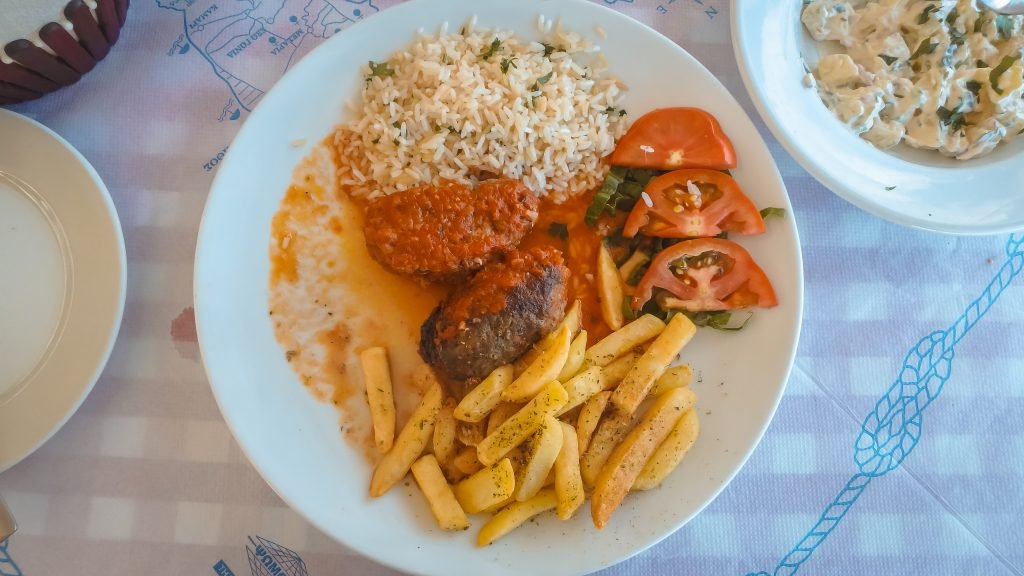
If it’s your first time visiting Greece, make sure you try some of the local dishes. Greek food is generally simple, fresh and full of flavour.
Some dishes you’ll commonly see include:
- Souvlaki
- Gyros
- Greek salad
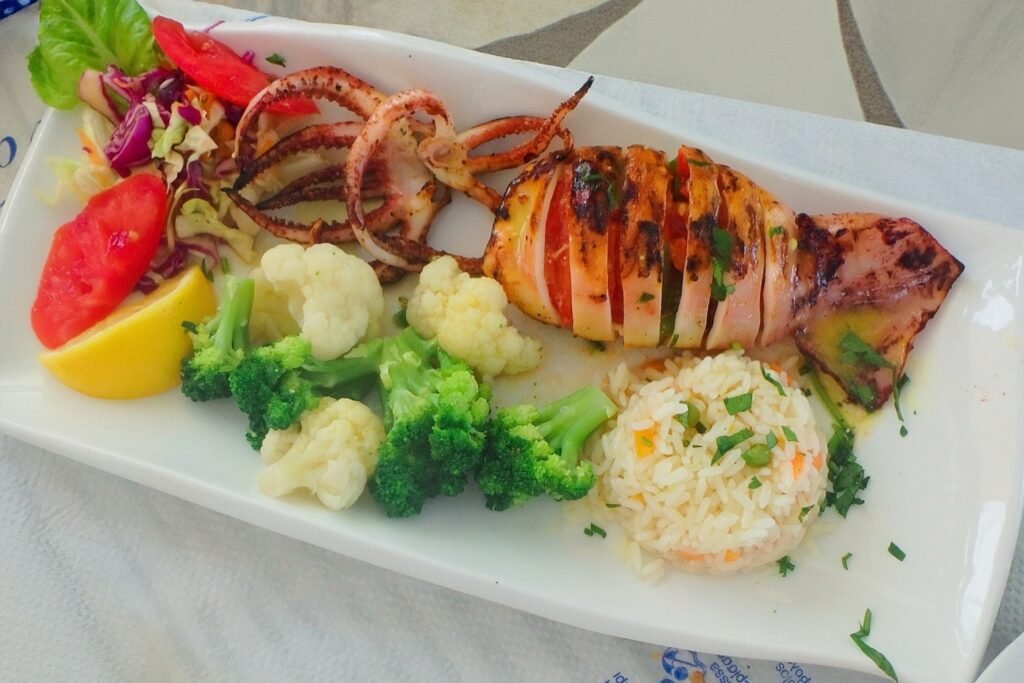
- Grilled seafood
- Moussaka
- Tzatziki with warm pita bread
At almost every Greek restaurant where we had lunch or dinner, we were served a basket of bread and butter before the meal arrived. It seemed to be pretty standard practice during our trip.
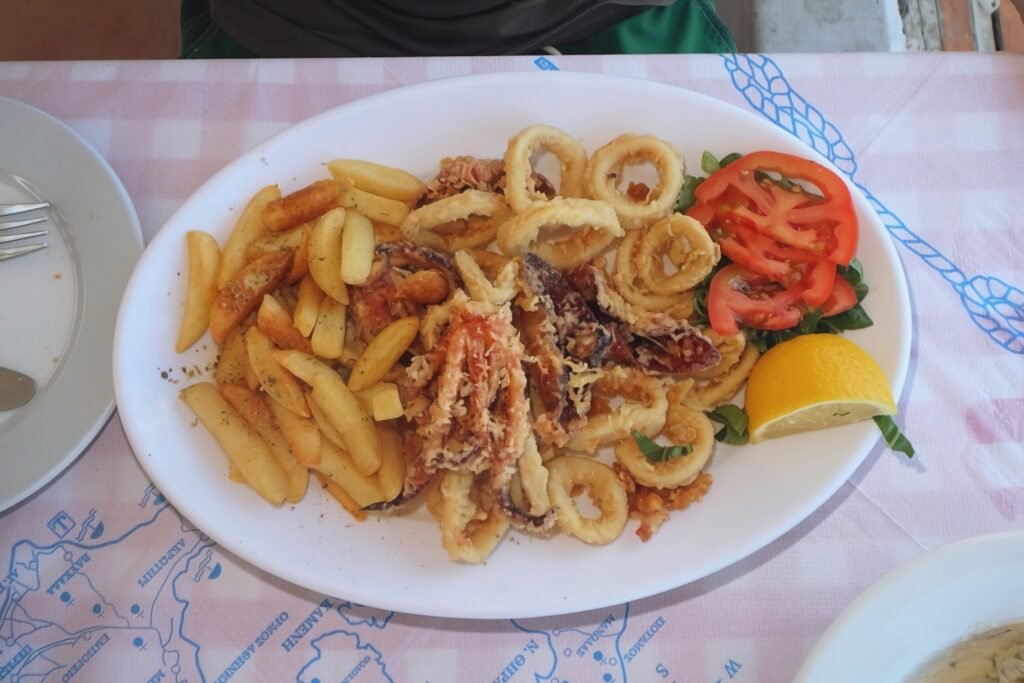
And since Santorini is surrounded by the sea, seafood lovers will have plenty to choose from. Freshly grilled fish, octopus, squid and prawns are common on menus.
Even if you’re not usually a seafood person, it’s worth trying some while you’re there.
- Looking for something other than Greek food?
Santorini also has a surprisingly good variety of international restaurants, particularly around Fira and Oia.
During my trip, I had dinner at Asia Club in Fira. I asked them to make our food extra spicy and immediately regretted that decision because it was seriously hot! 😂
- What about halal food?
During my visit, I wasn’t able to find any halal restaurants.
If halal food is important to you, I’d recommend planning ahead and stocking up on things like snacks, fruits, bread and other groceries from local supermarkets. There are several mini markets around Fira where you can pick up supplies.
- Eating with a view
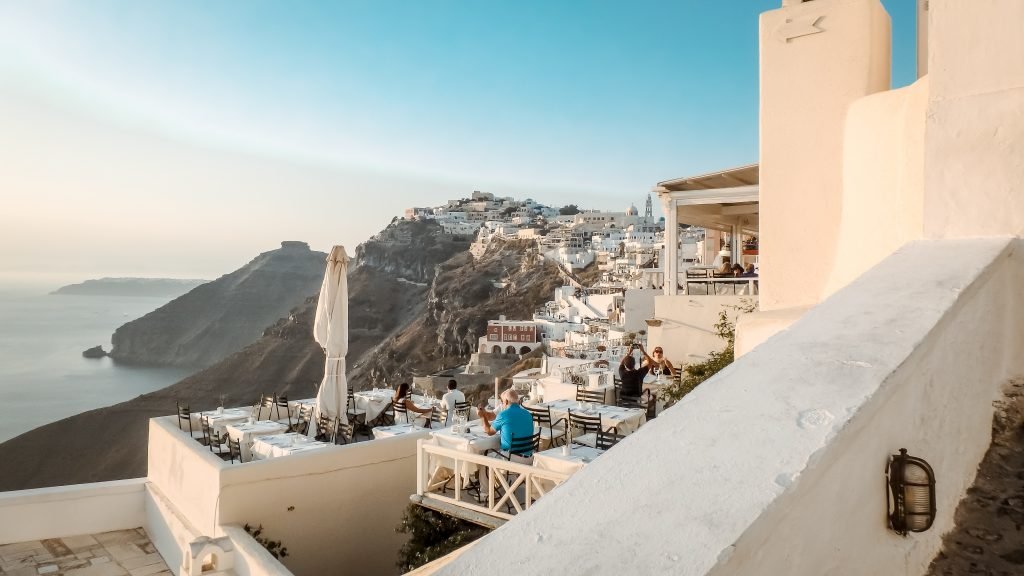
One thing to keep in mind is that restaurants with caldera views tend to be more expensive than restaurants away from the main tourist areas.
If you’re travelling on a budget, walk a little further away from the busiest areas and you’ll often find more affordable places to eat.
But don’t rush your meals.
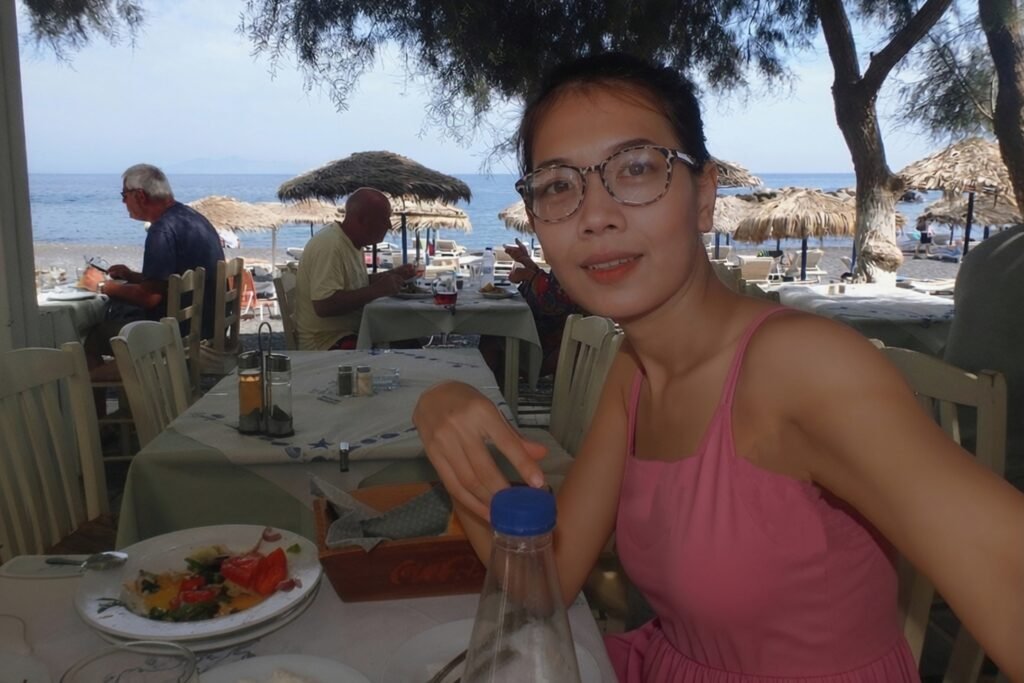
Some of my favourite moments in Santorini were simply sitting outside, enjoying good food, people-watching and taking in the scenery.
In Santorini, eating isn’t just about the food. It’s part of the experience.



✅ Things to Do in Santorini
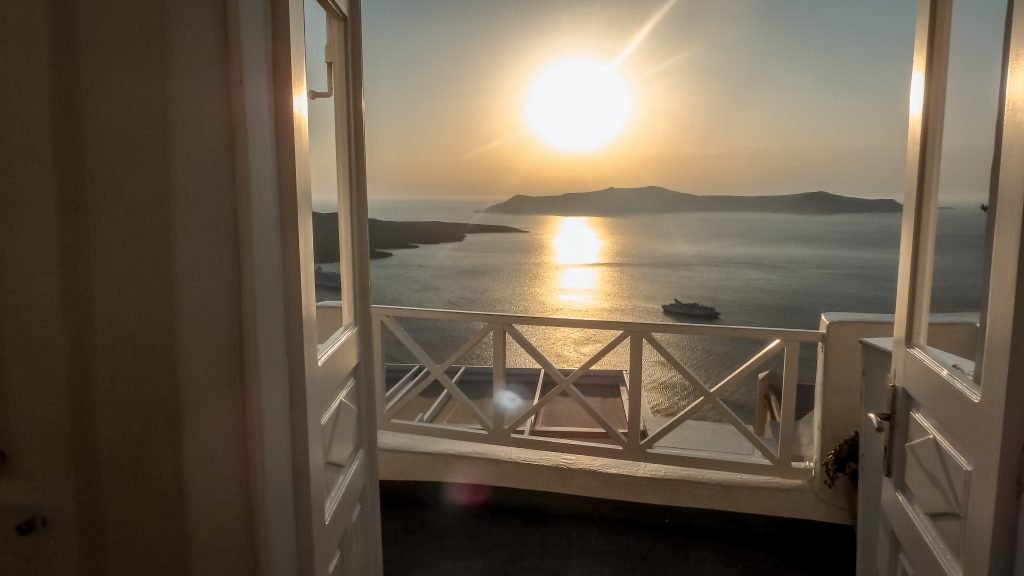
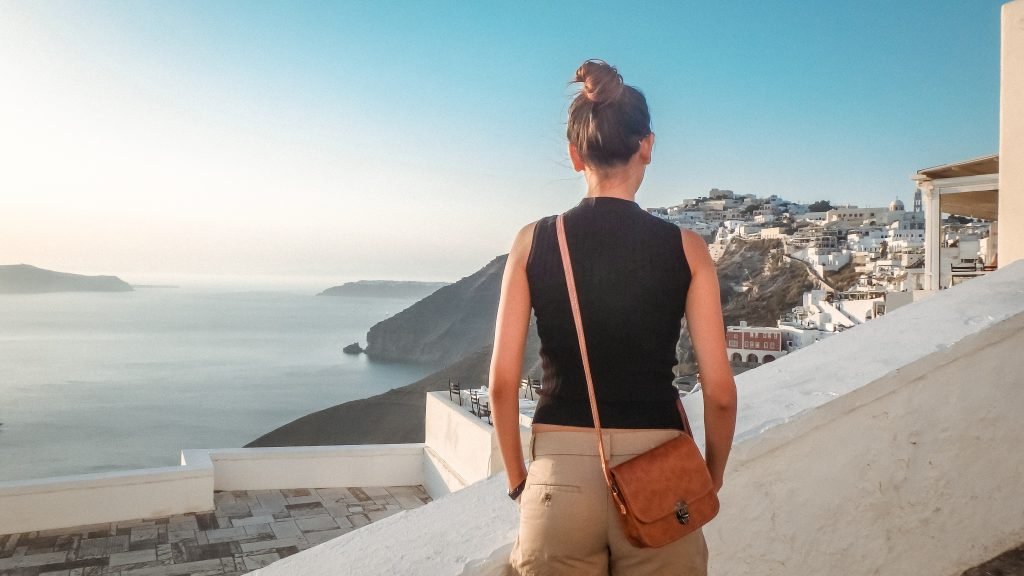
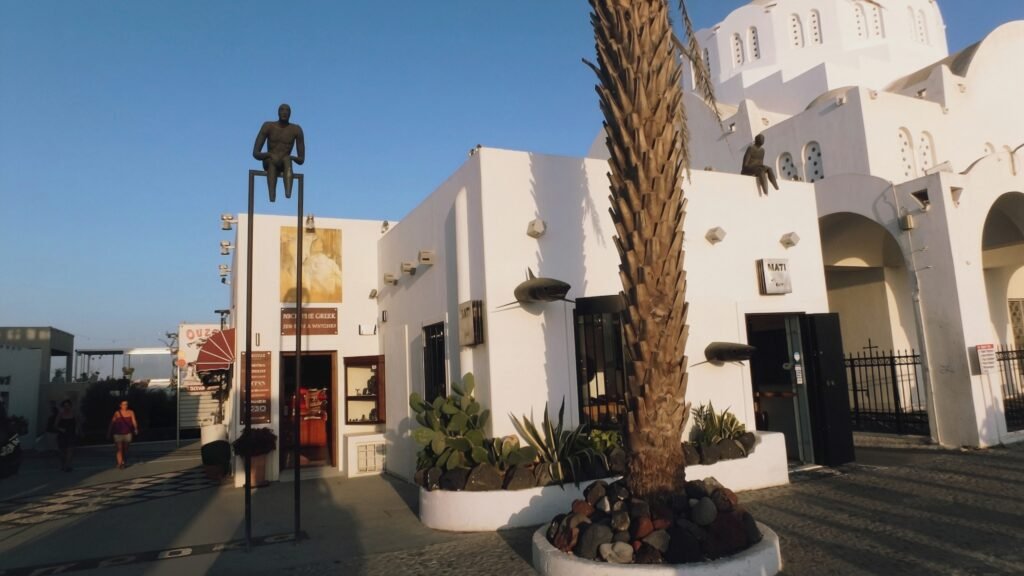
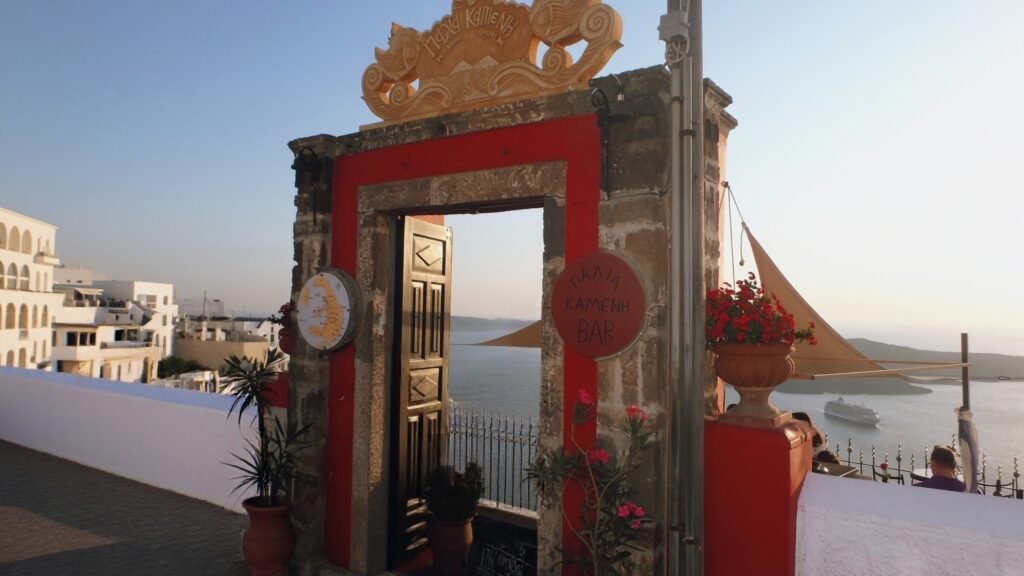
- Wander Around Fira
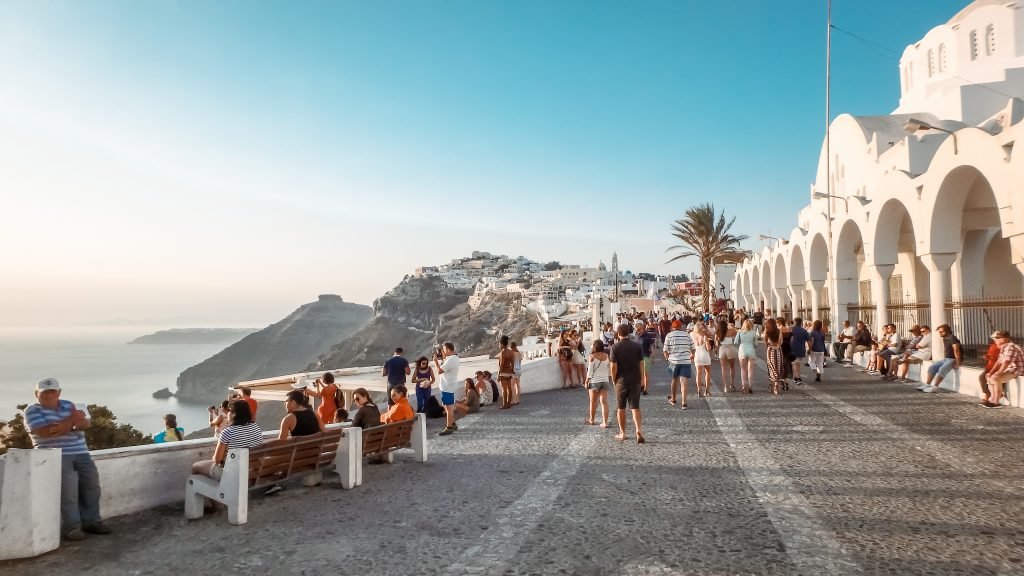
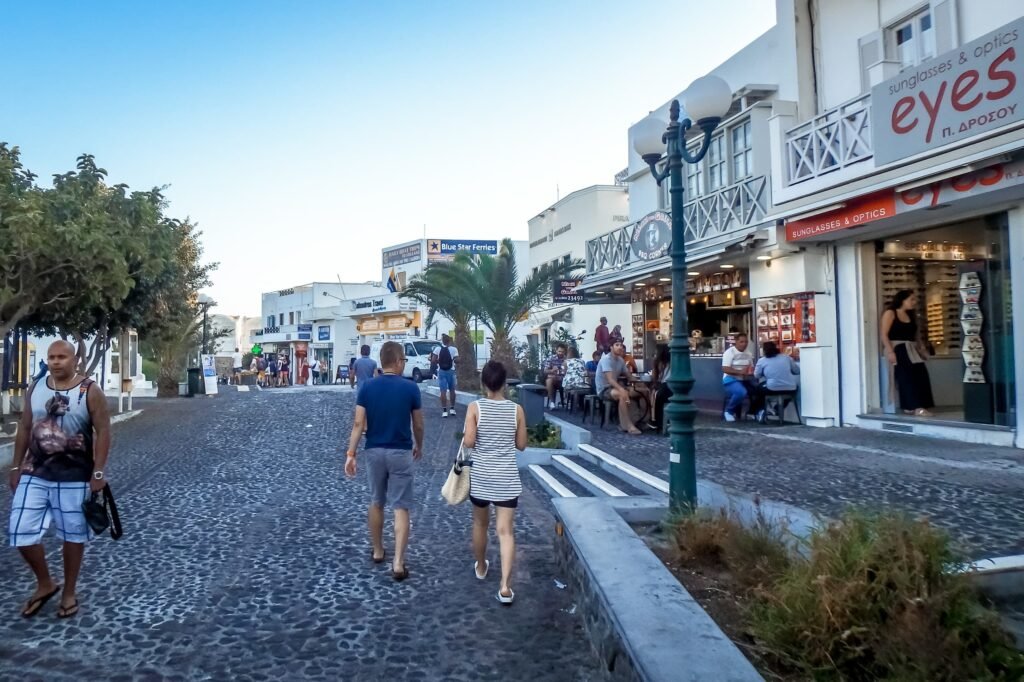
One of my favourite things to do in Santorini was simply walking around Fira.
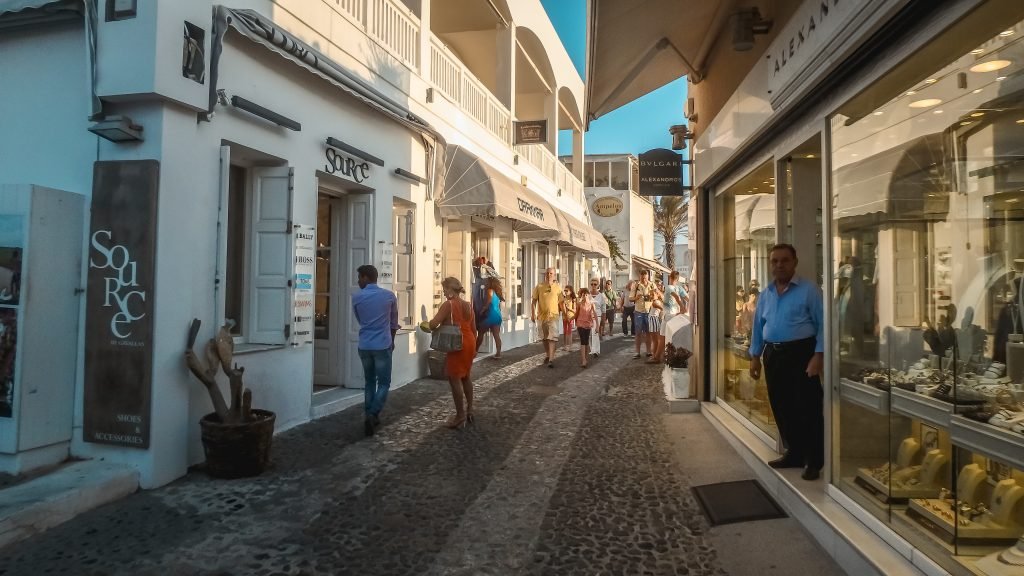
Explore the little paths, narrow streets, staircases and shops. You don’t always need a specific destination.
Sometimes, the best thing to do is just wander.


- Explore Oia
Of course, no trip to Santorini would feel complete without visiting Oia.
This is where you’ll find those iconic whitewashed buildings, blue-domed churches and postcard-perfect views you’ve probably seen all over Instagram. And honestly, the beauty of Oia is difficult to explain.
No matter how many photos you’ve seen beforehand, standing there in person still feels different.
Both Fira and Oia have narrow, winding streets that can feel like a maze, but Oia has plenty of little pathways worth exploring beyond the main tourist route. So don’t be afraid to wander away from the busiest streets. You might find a beautiful view hiding around the next corner.
For most of my days in Santorini, that’s exactly what I did. I wandered through the streets, browsed little shops and took an unreasonable number of photos.
Every turn seemed to offer another picture-perfect view.


- Watch the Oia Sunset
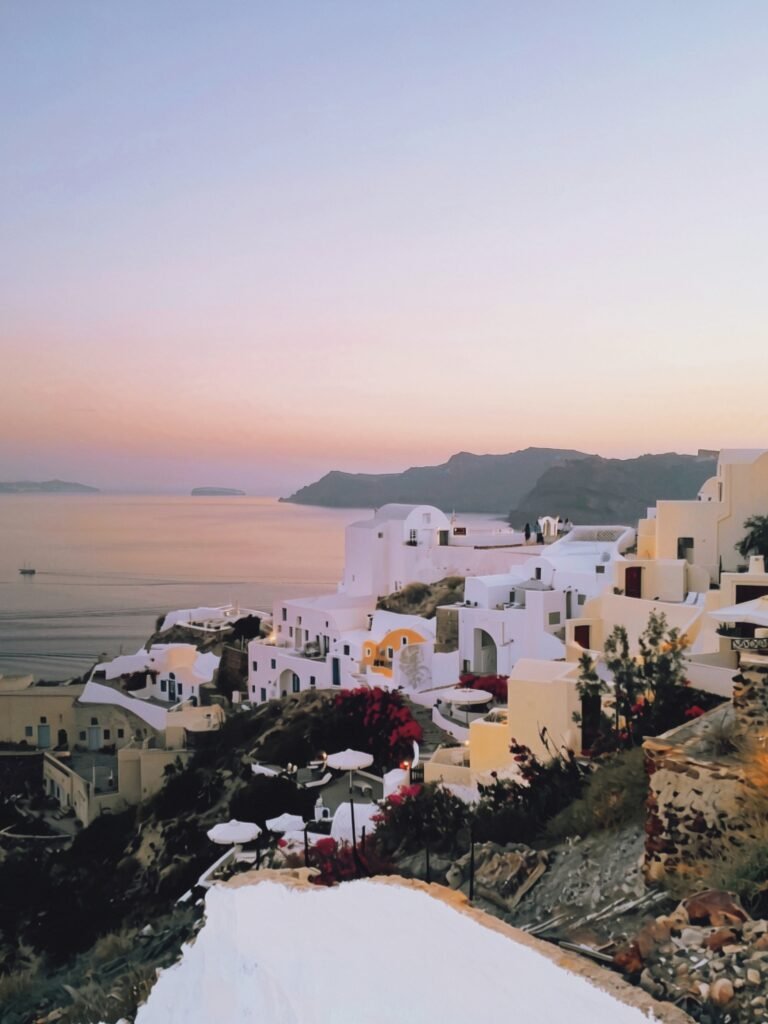
The famous Oia sunset is one of those Santorini experiences everyone talks about.
And yes, it’s beautiful.
But there’s one thing you should know:
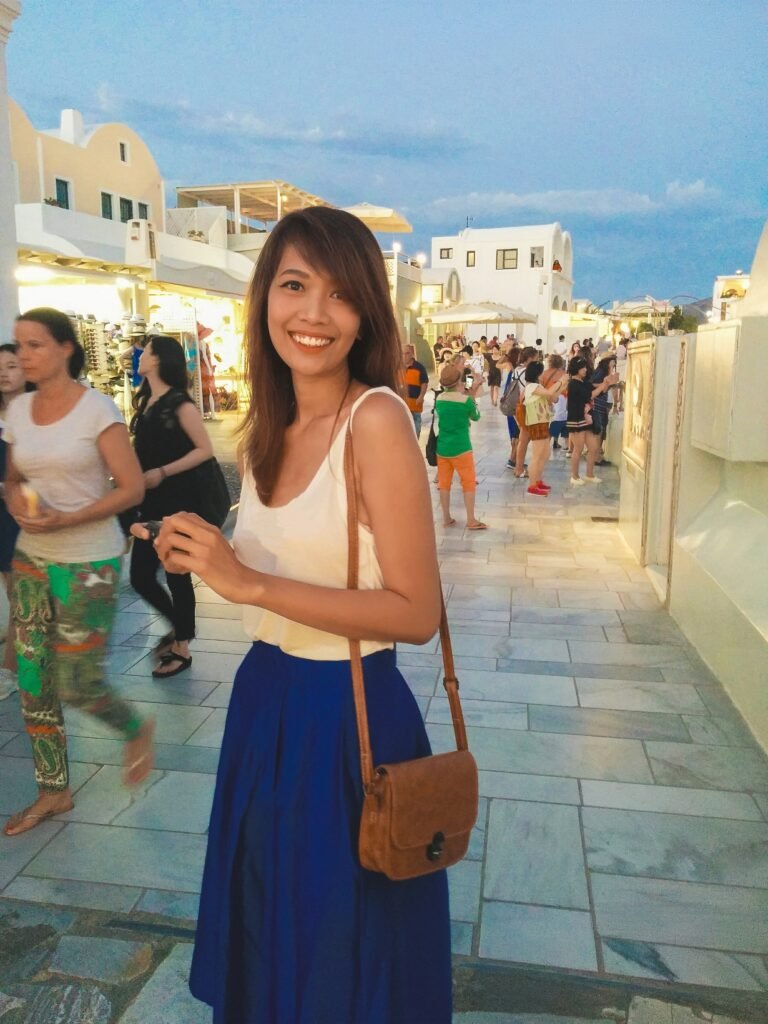
It gets crowded. Very crowded.
If you want a good viewing spot, arrive early and be prepared to share the experience with a lot of other travellers.
- Santorini’s Beaches
Santorini’s beaches are quite different from the typical white-sand beaches you might imagine when you think about a Greek island.
Because of the island’s volcanic history, you’ll find beaches with black, white and red volcanic landscapes.
- White beaches have ordinary sand.
- Black beaches get their color from volcanic rocks.
- Red beaches are formed from a mix of iron-rich and volcanic rocks, giving them a striking red hue.
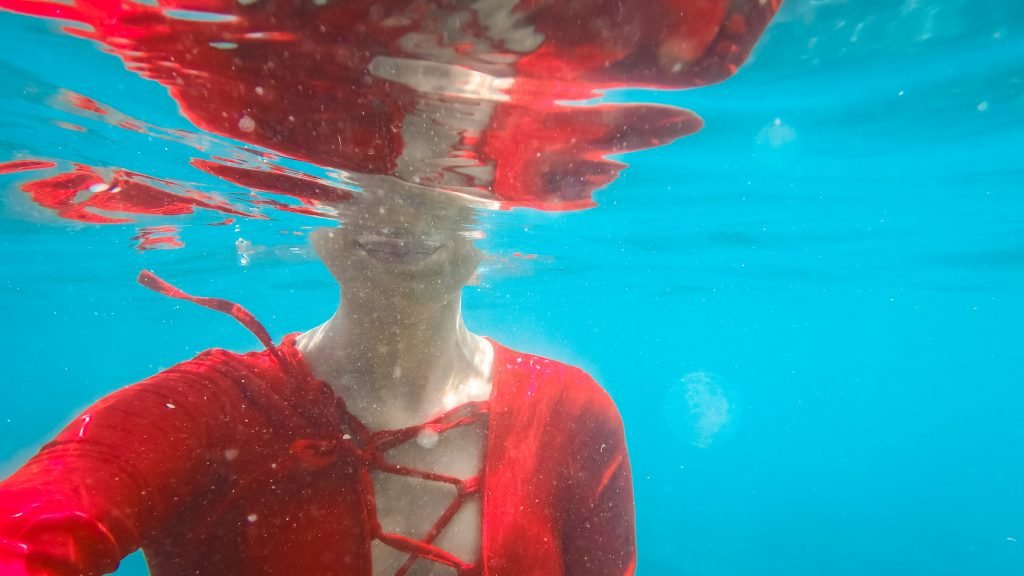
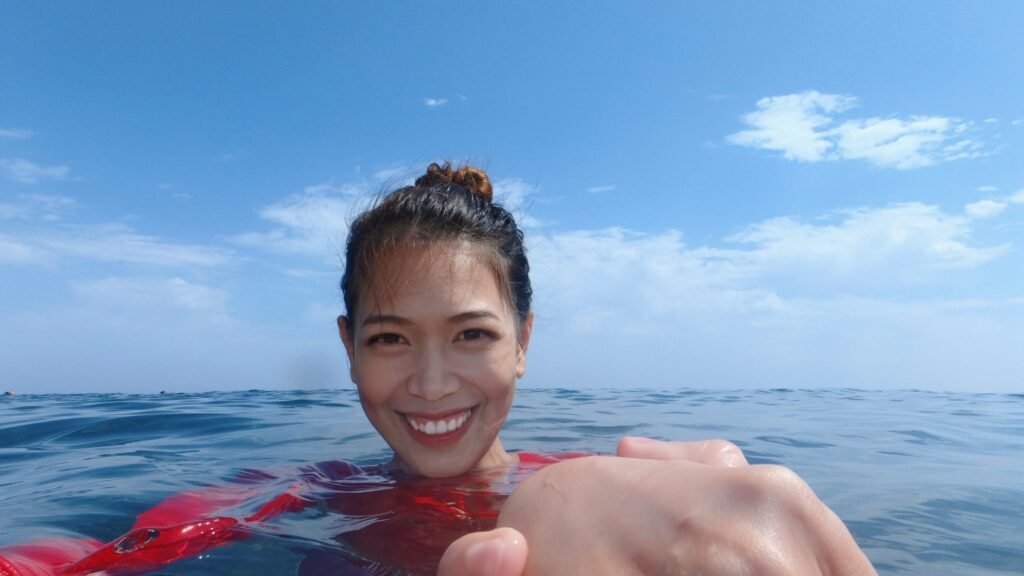
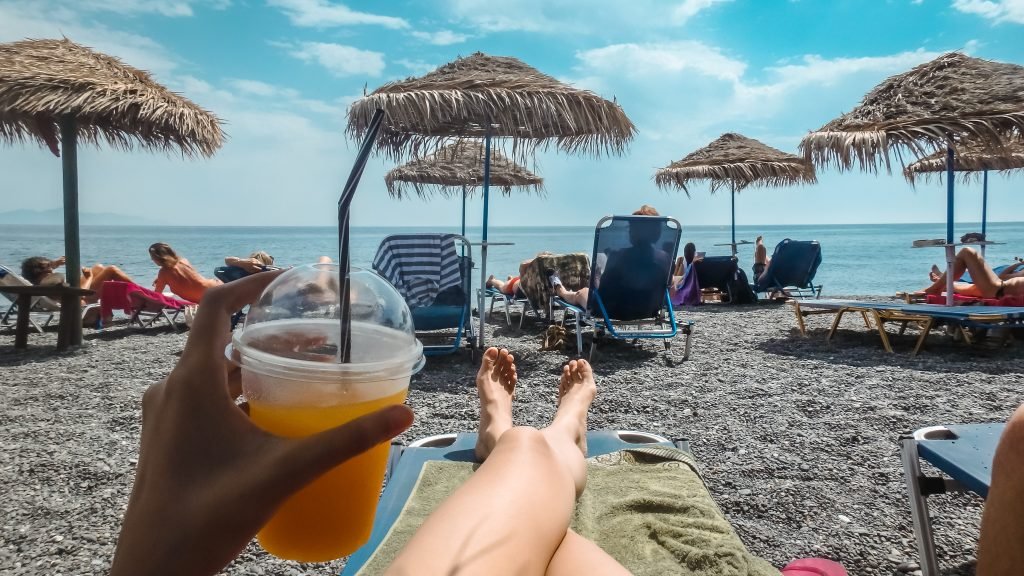
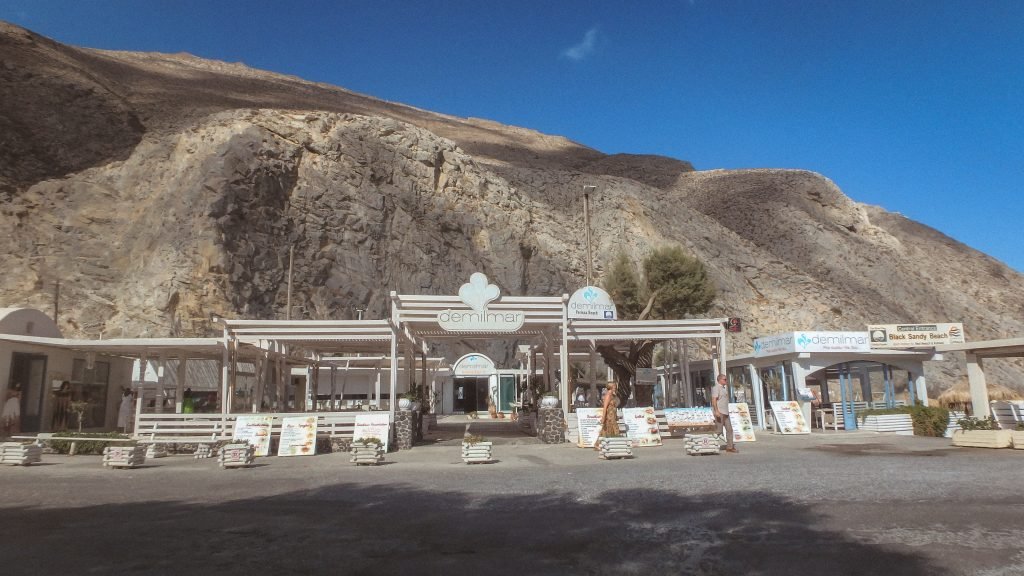
During my trip, I visited Kamari Beach and Perissa Beach, both known for their black volcanic sand. Both beaches have plenty of Greek restaurants and places to grab a meal along the shore.
📍 Kamari Beach (Red Beach)
Getting here involves a cliffside walk, so comfortable footwear is a much better idea than sandals that aren’t secure.


📍 Perissa Beach
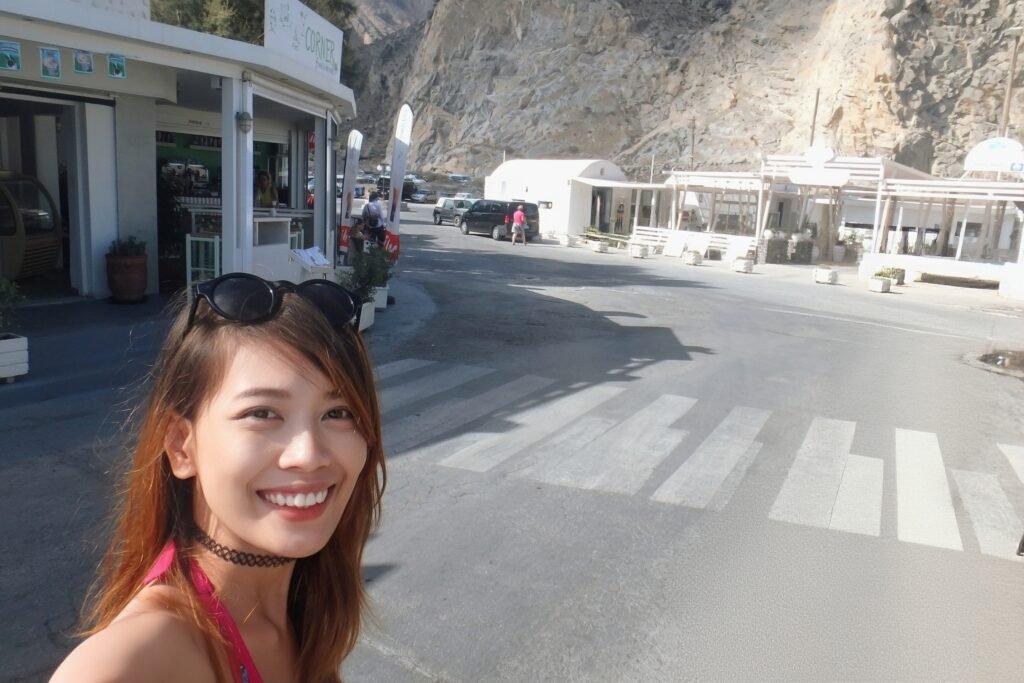
Perissa was my personal favourite.
The scenery was beautiful, and I had a great time swimming and sunbathing there.
If you’re looking for a relaxing beach day during your Santorini trip, I’d definitely consider adding Perissa to your itinerary.



✅ A Few Things to Know Before Visiting Santorini
Santorini is truly a must-visit destination, often featured in travel guides as one of the most beautiful places in the world.
I visited Santorini in September, which was the perfect time for swimming and sunbathing. There were still plenty of tourists, but it never felt overcrowded.
- High Season: Late June to the end of August. Prices are at their peak.
- Language: Since Santorini relies heavily on tourism, most locals can speak basic English.
- Currency: Euro (€). If you need cash, there are a few ATMs around the island.
Important! You CANNOT flush toilet paper. Not just in Santorini, but all over Greece. The sewage system isn’t designed for it, so flushing will likely clog the pipes.
1) Where to Stay?
- Oia: The most expensive area in Santorini. It’s quieter, romantic, and full of high-end hotels & restaurants.
- Fira: The main hub with lots of restaurants, shops, and hotels.
2) Getting Around
- Santorini’s roads are windy, steep, and narrow. So always be extra careful if driving or riding a scooter.
3) How Long to Stay?
- You don’t really need more than 4-5 days in Santorini. It’s more of a sightseeing island, so island-hopping is a great idea!
4) Beaches?
- Santorini isn’t famous for amazing beaches. They’re unique, but don’t expect them to be the best.
Continue My Greece Series:
👉 Planning My First Solo Trip To Greece (Budget, Ferries, Flight Travel Tips)
👉 Athens, Greece: Where To Stay, What To Pack & Things to Know Before You Go
Next post here:
👉 Milos Island, Greece: A Quick Travel Guide For A First-Timer


